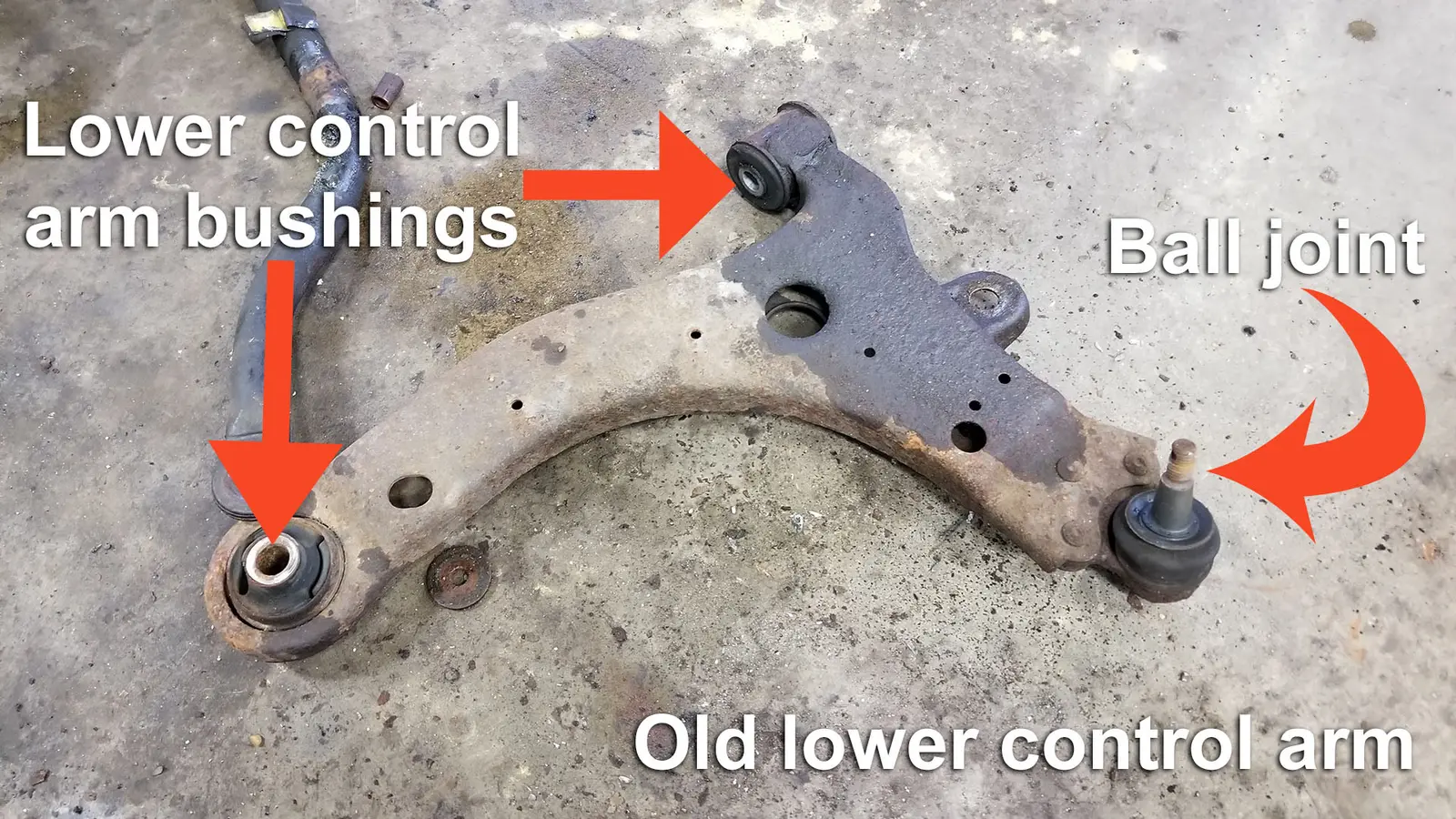
Why Control Arm Bushings Fail and How to Identify Suspension Wear Early

Control arm bushings fail due to a combination of normal wear, environmental degradation, and impact damage. Early detection requires systematic inspection—not just listening for noise—to prevent further suspension damage and costly repairs.
Root Causes of Control Arm Bushing Failure
Control arm bushings are subjected to constant stress, heat, and contamination. Over time, rubber bushings naturally harden, crack, and separate from the metal sleeve. Key causes include:
- Age and mileage: Rubber degrades with time, becoming brittle and less compliant.
- Environmental factors: UV radiation, ozone, and extreme temperatures accelerate dry rot and cracking.
- Contamination: Oil, grease, and road chemicals can break down rubber compounds.
- Impact damage: Potholes, curbs, or accidents can tear or deform bushings instantly.
- Overloading: Excess weight stresses bushings beyond design limits, accelerating wear.
Understanding these causes helps you anticipate bushing lifespan and schedule inspections accordingly.
Early Symptoms of Worn Control Arm Bushings
Recognizing early signs is critical to avoiding secondary damage. Symptoms include:
- Clunking or knocking noises over bumps, especially from the front suspension, indicating metal-to-metal contact as bushings lose their ability to absorb impacts.
- Vague steering or wandering: The control arm movement becomes less controlled, causing a loose or imprecise steering feel.
- Uneven or premature tire wear, particularly cupping or scalloping, due to altered suspension geometry.
- Visible cracks, tears, or bulges in the rubber bushing during a visual inspection.
If you notice any of these, inspect the bushings promptly to prevent accelerated wear of other suspension components.
How to Diagnose Control Arm Bushing Wear: A Step-by-Step Inspection
Follow this systematic approach to catch bushing wear early:
- Visual inspection: Look for cracks, tears, bulges, or fluid leaks around the bushing. Check for rubber separation from the metal sleeve.
- Pry bar test: Gently pry against the control arm to check for excessive movement or play in the bushing. Any noticeable looseness indicates wear.
- Test drive: Listen for clunking noises over bumps and feel for steering vagueness or wandering.
- Check alignment and tire wear: Uneven wear patterns, especially cupping, can signal suspension issues.
These steps help you identify bushing failure before it leads to more severe damage.
Replacement Decision: Bushings Only vs. Entire Control Arm
When bushings fail, you have two options: replace just the bushings or the entire control arm. Consider the following:
- Bushing-only replacement: Lower parts cost, but may not be feasible if the arm is damaged or bushings are not available separately. Labor-intensive pressing can exceed the cost of a new arm.
- Whole arm replacement: Faster, ensures all components are new, but costs more. Often simpler for DIYers without a press.
- Aftermarket quality: High-quality bushings can match or exceed OEM performance, but arm replacement may be more practical for some.
Evaluate the condition of the control arm, labor costs, and your budget to make an informed decision.
Preventive Maintenance: Extending Bushing Life
To maximize bushing lifespan:
- Regular inspections: Check bushings during oil changes or tire rotations.
- Avoid overloading: Stay within the vehicle's load capacity.
- Drive carefully: Minimize impact from potholes and rough roads.
- Keep undercarriage clean: Reduce contamination from oil and dirt.
- Consider polyurethane bushings: They offer longer life and better performance, though they may transmit more road noise and vibration.
By following these measures, you can avoid premature bushing failure and maintain a safe, comfortable ride.
FAQ
Q: How often should control arm bushings be inspected?
A: At least once a year or every 12,000 miles, or whenever you notice symptoms like clunking or uneven tire wear.
Q: Can I replace control arm bushings myself?
A: Yes, if you have the right tools and experience. Bushing replacement often requires a press, so DIYers may find whole arm replacement easier.
Q: What's the difference between rubber and polyurethane bushings?
A: Rubber offers better noise isolation but wears faster. Polyurethane lasts longer and improves handling but transmits more road noise and vibration.
Q: How long do control arm bushings typically last?
A: It varies widely based on driving conditions and vehicle usage, but 50,000 to 100,000 miles is common. Inspect regularly to catch wear early.
Q: Can bad control arm bushings cause alignment issues?
A: Yes, worn bushings allow excessive movement, altering suspension geometry and causing misalignment and uneven tire wear.