Suspension Bushing Selection: Rubber vs. Polyurethane
Choosing the right suspension bushing material is a decision that directly impacts ride quality, handling, and maintenance. There is no one-size-fits-all answer; the best choice depends on your vehicle's primary use, your tolerance for noise and vibration, and how much maintenance you're willing to perform. This guide provides a structured, technical approach to help you decide between rubber and polyurethane bushings.
Rubber vs. Polyurethane: A Technical Comparison
Rubber bushings are designed for compliance, offering excellent NVH isolation and a smooth ride. They typically have a durometer of 50-70 Shore A, which allows them to absorb road imperfections effectively. However, rubber is susceptible to degradation from oil and ozone, and under harsh conditions—such as frequent off-road use or exposure to chemicals—they may wear out faster.
Polyurethane bushings are formulated with a higher durometer, typically 80A-95A, resulting in lower compliance and reduced deflection under load. This translates to crisper handling and more precise steering response. Polyurethane also offers superior durability and chemical resistance compared to rubber. The trade-off is increased NVH transmission; you'll feel more road noise and vibration. Additionally, polyurethane bushings may require periodic lubrication to prevent squeaking.
Key Trade-offs:
- Comfort vs. Performance: Rubber provides a quieter, more comfortable ride; polyurethane enhances handling precision at the cost of comfort.
- Durability vs. Maintenance: Polyurethane generally lasts longer but may need lubrication; rubber is maintenance-free but may need replacement sooner under tough use.
Matching Bushing Material to Your Driving Needs
Daily Driver or Commuter
If your vehicle is primarily used for commuting or everyday errands, prioritize comfort and low NVH. High-quality rubber bushings are often the best choice, as they provide a smooth, quiet ride and require no special maintenance.
Performance or Track Use
For enthusiasts who demand minimal suspension deflection and precise feedback, polyurethane bushings—or even spherical bearings for extreme applications—are appropriate. Accept the increased NVH as part of the performance trade-off.
Off-Road and Harsh Conditions
Off-road environments expose bushings to dirt, water, and extreme flex. Polyurethane's resistance to environmental degradation makes it a strong candidate. However, rubber bushings with protective boots can also perform well if replaced regularly.
Towing and Heavy Loads
Polyurethane bushings handle higher loads and resist sagging better than rubber. If you frequently tow or carry heavy loads, polyurethane may be the safer choice. Rubber can suffice if you adhere to a strict replacement schedule.
Always consider your tolerance for NVH and your willingness to perform periodic maintenance. For example, if you dislike squeaks and are not prepared to lubricate bushings, polyurethane may not be ideal.
Signs of Worn Bushings and When to Replace
Recognizing worn bushings is crucial for safety and performance. Common symptoms include:
- Clunking or knocking noises from the suspension
- Vague or wandering steering
- Uneven tire wear
- Excessive play in suspension components when inspected
Visual Inspection: Look for cracking, splitting, or deformation of the bushing material. Check for signs of oil contamination, which can accelerate rubber degradation.
Simple Tests: Use a pry bar to check for movement in the bushing; excessive play indicates wear. A bounce test—pushing down on the vehicle and releasing—can reveal poor damping if the vehicle continues to bounce.
Replacement Intervals: Rubber bushings typically last 50,000-100,000 miles, depending on conditions. Polyurethane can last longer, but may require lubrication. Inspect bushings during routine maintenance and replace them when wear is evident.
Cost Analysis: Parts, Labor, and Long-Term Value
When comparing costs, consider the total cost of ownership, not just the upfront price.
- Rubber Bushings: Generally cheaper to purchase. However, if they need replacement sooner under harsh conditions, the cumulative cost may be higher.
- Polyurethane Bushings: Higher upfront cost, but longer lifespan can offset the initial investment. For example, if rubber lasts 60,000 miles and costs $50, while polyurethane lasts 100,000 miles and costs $100, the cost per mile is similar.
Labor costs are similar for both materials, but polyurethane may require additional labor for lubrication and anti-squeak measures. For DIY installers, factor in the cost of tools and your time.
Installation Tips and Common Pitfalls
Proper installation is critical to bushing performance and longevity.
Tools Needed: A bushing press or C-clamp, sockets, torque wrench, and lubricant for polyurethane bushings. A torch may be needed for stubborn bushings.
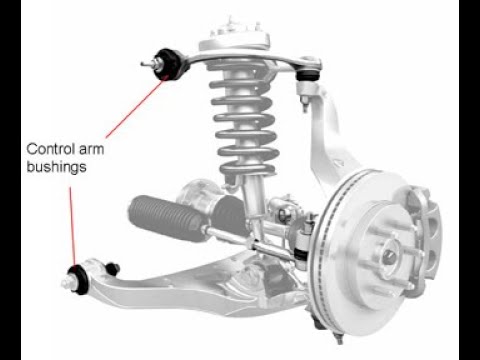
Torque Specifications: Always refer to the vehicle's service manual. Typical control arm bushing bolts require 40-80 ft-lbs, but exact specs vary by vehicle.
Common Pitfalls:
- Not lubricating polyurethane bushings: This causes squeaking. Use the recommended lubricant during installation.
- Over-tightening bolts before the suspension is loaded: This can cause premature wear. Tighten bolts only when the vehicle is at normal ride height.
- Using incorrect tools: This can damage the bushing or surrounding components. Use a proper bushing press to avoid damage.
Tips: Apply anti-seize to bolts to prevent corrosion. Use a bushing press to ensure even insertion. Always tighten bolts with the vehicle's weight on the suspension.
Manufacturer's Perspective: Quality Control and Material Consistency
Quality control is paramount in bushing manufacturing. Reputable manufacturers test materials for durometer and tensile strength, inspect dimensions, and perform batch testing to ensure consistency. Look for certifications like ISO/TS 16949, which indicate a robust quality management system.
Cheap bushings may use inferior materials or lack proper QC, leading to premature failure or poor fitment. When selecting bushings, choose a brand that demonstrates a commitment to quality, such as those that provide detailed product specifications and have a traceable manufacturing process.
Our automotive suspension components are produced with strict quality control measures. You can learn more about our manufacturing facility and quality control processes.
Making the Final Decision: A Step-by-Step Selection Framework
Step 1: Assess your vehicle's primary use – daily driving, performance, off-road, or towing.
Step 2: Determine your tolerance for NVH and willingness to perform maintenance.
Step 3: Set a budget, considering both upfront costs and long-term value.
Step 4: Choose a reputable brand that offers quality assurance.
Step 5: Decide between rubber and polyurethane based on the above factors.
Step 6: Plan for installation, either DIY or professional, and follow proper procedures.
By following this framework, you can make a choice that balances performance, comfort, and cost. For many Hyundai and KIA vehicles, we offer a range of bushings, including Rear Trailing Arm Bushings and other suspension components, designed to meet OEM specifications and provide reliable service.
FAQ
Q: Are polyurethane bushings always better than rubber?
A: No. Polyurethane offers better handling and durability but increases NVH. For daily drivers prioritizing comfort, high-quality rubber is often the better choice.
Q: How long do polyurethane bushings last compared to rubber?
A: Polyurethane generally lasts longer, but may require lubrication. Rubber typically lasts 50,000-100,000 miles; polyurethane can exceed that, but maintenance is key.
Q: Can I install bushings myself?
A: Yes, with the right tools and mechanical knowledge. However, professional installation is recommended if you're not experienced with suspension work.
Q: Do polyurethane bushings require special lubrication?
A: Yes, polyurethane bushings often require a specific lubricant to prevent squeaking. Always follow the manufacturer's instructions.
Q: How do I know if my bushings are worn?
A: Look for symptoms like clunking noises, vague steering, uneven tire wear, and visible cracking or deformation. Perform a pry bar test to check for play.
Q: Are cheap bushings worth it?
A: Cheap bushings may lack quality control and fail prematurely. Investing in a reputable brand ensures better performance and longevity.
Q: What is the best bushing material for off-road use?
A: Polyurethane is often preferred for its durability and resistance to environmental factors, but rubber with protective boots can also work if replaced regularly.
Q: Can I mix rubber and polyurethane bushings on the same vehicle?
A: It's not recommended, as it can lead to inconsistent handling and premature wear. Stick to one material for all bushings in a given suspension system.
Q: Do I need to replace all bushings at once?
A: It's advisable to replace bushings in pairs or as a set to maintain balanced performance. Consult your vehicle's service manual for recommendations.
Q: How do I choose between rubber and polyurethane for my vehicle?
A: Use the step-by-step framework above. Assess your driving needs, NVH tolerance, maintenance commitment, and budget to make an informed decision.