Wheel Bearing Noise Symptoms: Diagnose and Replace Before It's Too Late
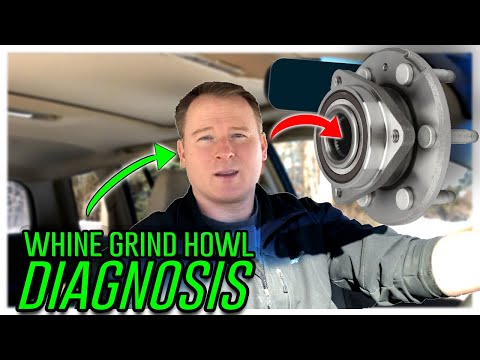
What Does a Bad Wheel Bearing Sound Like?
A bad wheel bearing typically produces a rhythmic humming, growling, or grinding noise that intensifies with vehicle speed. Unlike tire noise, which is a steady drone, bearing noise has a distinct pulsating rhythm that matches wheel rotation. The sound often becomes more pronounced when turning in one direction—this is because cornering loads the bearing on the opposite side. For example, turning right increases load on the left bearing, making its noise louder. Conversely, the noise may briefly fade when the bearing is momentarily unloaded during a sharp turn in the opposite direction. This load-dependent behavior is a key identifier.
Common Symptoms of a Failing Wheel Bearing
Beyond noise, a failing wheel bearing manifests through several other symptoms:
- Vibration: You may feel a vibration in the steering wheel (front bearing) or in the floorboard and seats (rear bearing). This vibration often intensifies with speed.
- Uneven tire wear: A loose bearing allows the wheel to wobble, causing accelerated and uneven tire wear, often scalloped or cupped.
- Steering issues: In severe cases, you might notice a slight pull to one side or a vague, loose feeling in the steering.
- Wheel play: When the wheel is jacked up, you can feel excessive play when rocking it top-to-bottom or side-to-side.
Symptoms vary depending on which bearing is failing. Front bearings tend to produce more noticeable cabin noise and steering wheel vibration, while rear bearings may cause a low-frequency rumble felt through the seats. If ignored, these symptoms worsen progressively, increasing the risk of catastrophic failure.
How to Diagnose Wheel Bearing Noise (Step-by-Step)
Follow these steps to confirm a bad wheel bearing before replacing parts:
- Find a safe, open area for a test drive. A large empty parking lot or quiet road works best.
- Listen for the noise and note if it changes when turning left or right. This load test helps isolate the side. If the noise is louder when turning right, the left bearing is suspect, and vice versa.
- Jack up the vehicle and support it on jack stands. Never work under a car supported only by a jack.
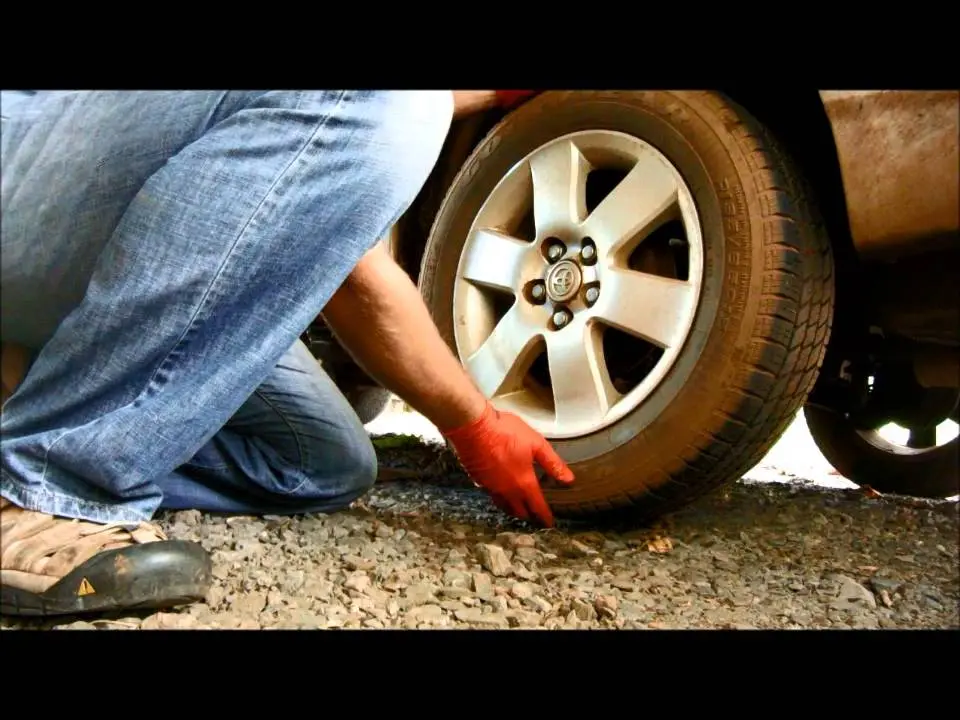
- Check for wheel play: Grasp the tire at the 12 and 6 o'clock positions and rock it. Then repeat at 9 and 3 o'clock. Excessive movement indicates bearing wear.
- Spin the wheel by hand to feel for roughness or hear grinding. A smooth, quiet spin suggests a healthy bearing.
- Compare with the opposite side to isolate the faulty bearing. If one side feels rough or noisy, that's the culprit.
Always use jack stands and never place any body part under the vehicle without proper support.
Front vs. Rear Wheel Bearing Symptoms: What's Different?
Front and rear bearing failures present distinct symptoms due to their different roles in steering and load distribution.
- Front bearings: Noise is more noticeable in the cabin, often as a humming that rises with speed. You may also feel vibration in the steering wheel. Because front bearings handle steering loads, turning can amplify the noise.
- Rear bearings: Noise may be heard more from the back of the vehicle, sometimes as a low rumble. Vibration is often felt in the floor or seats rather than the steering wheel. Rear bearings are generally easier to inspect because they are less loaded by steering forces.
Load testing works for both: turning right loads the left-side bearings (front and rear), making a failing left bearing noisier. However, the sensation differs—front bearing noise is more directional, while rear bearing noise is more constant.
Wheel Bearing Noise vs. Tire Noise: How to Tell the Difference
Tire noise and bearing noise are often confused, but they have distinct characteristics:
- Tire noise is typically a steady hum that may change with road surface but does not change with steering load. It's often accompanied by visible tire wear patterns like cupping or feathering.
- Bearing noise is rhythmic and changes with vehicle speed and steering load. It's usually independent of road surface.
A simple test: drive on a smooth road and swerve slightly left and right. If the noise changes with the swerve, it's likely a bearing. If it stays constant, it's probably tires. Also, inspect your tires for uneven wear—cupping is a common sign of suspension issues, including bad bearings.
What Causes Wheel Bearings to Fail?
Wheel bearings fail due to several factors:
- Water and contamination: Water or dirt entering the bearing degrades the grease and causes corrosion.
- Impact damage: Hitting potholes or curbs can dent the bearing races.
- Improper installation: Over-tightening or using a press incorrectly can damage the bearing.
- Normal wear: Bearings have a finite lifespan, typically 85,000 to 100,000 miles, but can fail earlier under harsh conditions.
Manufacturer quality matters. Low-quality bearings may use inferior steel or seals, leading to premature failure. Always choose reputable brands that meet OEM specifications.
Safety Risks of Driving on a Bad Wheel Bearing
Driving on a bad wheel bearing is dangerous. The bearing is critical for keeping the wheel attached to the vehicle. A catastrophic failure can cause the wheel to separate, leading to loss of control and a serious accident. Even before that, increased friction can cause overheating, which may damage the hub, axle, or even the brake components. Ignoring the noise often leads to more expensive repairs—a simple bearing replacement can turn into a hub replacement or worse. The risk escalates with speed and distance, so prompt action is essential.
Wheel Bearing Replacement: Cost and Considerations
Replacement costs vary widely based on vehicle, bearing type, and labor rates. On average, expect to pay $150 to $400 per wheel for parts and labor. Here's what factors into the cost:
- Bearing type: Hub assemblies are pre-assembled units that bolt on, making labor easier but parts more expensive. Non-hub bearings require pressing out and in, which is labor-intensive.
- Vehicle make/model: Luxury or less common vehicles may have higher parts costs.
- Front vs. rear: Front bearings are often more complex to replace, increasing labor costs.
- Shop rates: Dealerships charge more than independent shops.
Get quotes from multiple shops and ask about warranty on parts and labor. While DIY replacement can save money, it requires specialized tools (like a press) for non-hub bearings.
Hub vs. Non-Hub Bearing Assemblies: What to Know Before You Buy
Understanding the difference between hub and non-hub bearing assemblies is crucial for purchasing and installation.
- Hub assemblies: These are complete units that include the bearing, hub, and often the ABS sensor. They bolt directly to the knuckle, making replacement straightforward—no press required. They are generally more expensive but save on labor.
- Non-hub bearings: These are just the bearing, which must be pressed into the knuckle or hub. This requires a hydraulic press and specialized tools. The parts are cheaper, but labor costs are higher.
When choosing, consider the total cost (parts + labor) and your DIY capabilities. Also, prioritize quality: OEM or reputable aftermarket brands offer better longevity and performance. At our company, we manufacture a wide range of automotive suspension components including control arms and bushings, and we understand the importance of precision in wheel-end components.
How to Prevent Wheel Bearing Failure
Preventive maintenance extends bearing life:
- Avoid water crossings: If you drive through deep water, bearings can ingest moisture. Dry them out by driving for a few minutes afterward.
- Inspect seals: During tire rotations, check for damaged or leaking seals.
- Don't overload: Excessive weight stresses bearings.
- Address vibrations promptly: If you feel a new vibration, have it checked—it could be a bearing issue.
Regular inspections by a qualified mechanic can catch problems early.
When to See a Professional
If you're not comfortable with DIY diagnostics or replacement, see a professional. Signs that you need a mechanic include:
- Persistent noise that you can't isolate.
- Visible wheel play but you lack tools to replace the bearing.
- ABS warning light on, which can indicate a faulty wheel speed sensor often integrated with the bearing.
A professional can accurately diagnose and replace the bearing, ensuring safety.
Conclusion: Don't Ignore the Noise
Wheel bearing noise is a clear warning that should never be ignored. The rhythmic hum or grind is your car's way of telling you a critical component is failing. Early diagnosis and replacement not only save you money but also prevent dangerous failures. Whether you choose to DIY or hire a professional, prioritize quality parts and prompt action. Your safety depends on it.
If you're in the market for suspension components, explore our range of automotive suspension components at our manufacturing facility, where quality control is paramount. Learn more about our company and how we ensure every part meets rigorous standards.