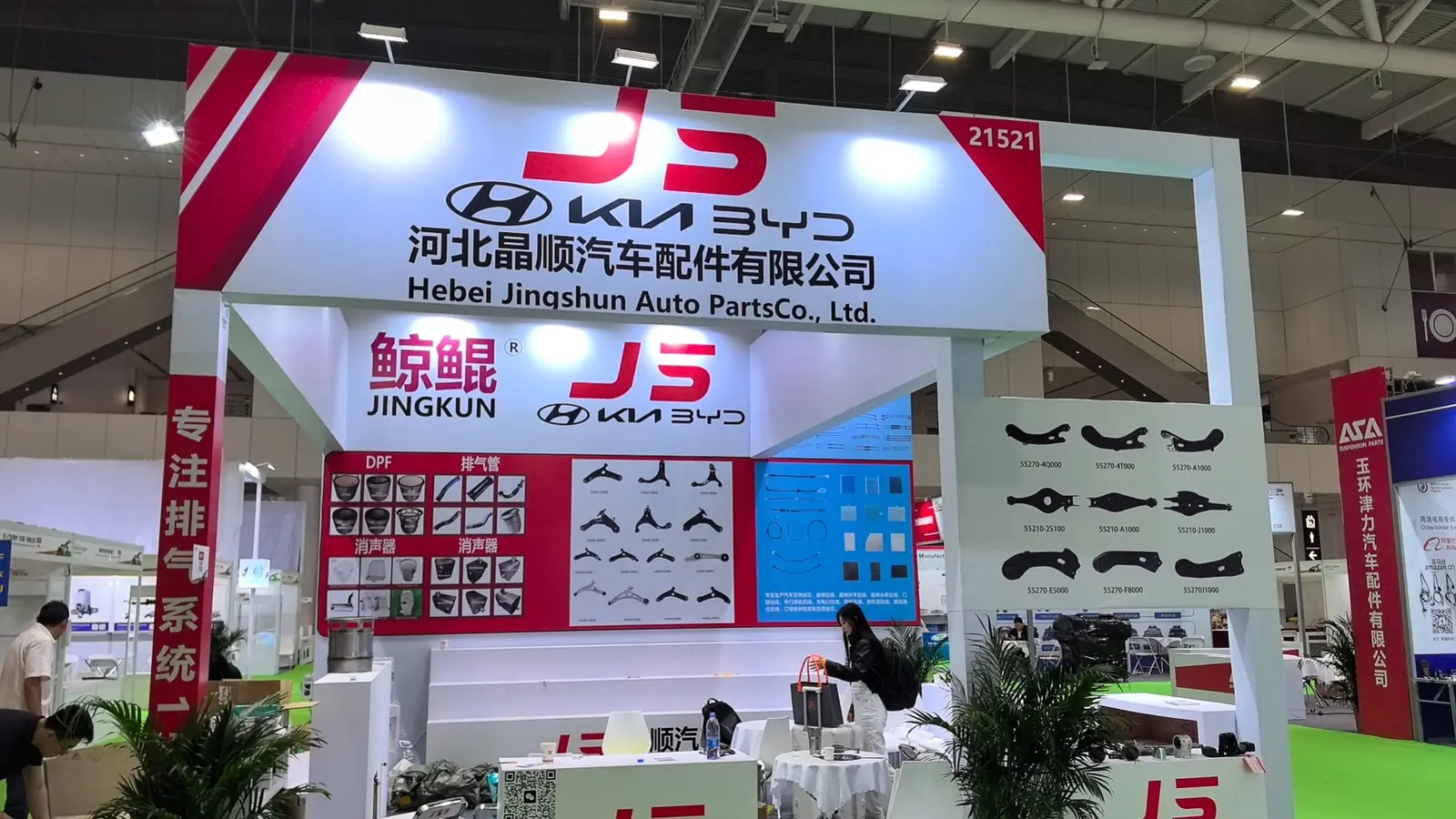
How Modern Suspension Technology Improves Vehicle Performance: A Buyer's Guide
Modern suspension systems are not just about ride comfort—they are a strategic investment that directly impacts vehicle performance, safety, and total cost of ownership. Whether you're a parts buyer, mechanic, or enthusiast, understanding the trade-offs between adaptive, air, and conventional systems is key to making informed decisions.
Adaptive vs. Air Suspension: Which Technology Fits Your Needs?
Adaptive suspension and air suspension are the two most common advanced systems, but they serve different purposes. Adaptive suspension uses electronically controlled dampers to adjust firmness in real time, while air suspension replaces steel springs with air-filled bags that can vary ride height and load capacity. Your choice depends on your vehicle type, driving conditions, and performance priorities.
Adaptive Suspension: Handling and Agility
Adaptive suspension excels in handling and comfort. By adjusting damping in milliseconds, it reduces body roll during cornering and keeps tires in contact with the road, improving traction and stability. It is ideal for sports sedans and performance vehicles where agility is paramount. However, it is more complex and costly than conventional systems, and repairs can be expensive if sensors or actuators fail.
Air Suspension: Load-Leveling and Versatility
Air suspension offers load-leveling and adjustable ride height, making it perfect for luxury SUVs and trucks that tow or haul heavy loads. It provides a plush ride and can lower the vehicle at speed to reduce drag and improve fuel efficiency. The downsides include higher initial cost, potential air leaks, and the need for regular maintenance of compressors and air springs.
Comparison and Decision Criteria
When comparing the two, consider: adaptive suspension prioritizes dynamic handling, while air suspension prioritizes ride comfort and versatility. For a sports car, adaptive is the clear choice. For a luxury SUV that carries varying loads, air is superior. Some vehicles offer both, combining the best of both worlds, but this adds complexity and cost.
From a manufacturer's perspective, adaptive suspension is preferred for performance-oriented models, while air suspension is favored for luxury and utility vehicles. Understanding your driving needs is the first step in choosing the right technology.
The Engineering Behind the Magic: How Modern Suspension Enhances Performance
Modern suspension systems improve performance through precise, real-time adjustments that optimize tire contact, reduce body movement, and enhance aerodynamics. These systems are not just about comfort—they are integral to vehicle dynamics and safety.
Real-Time Damping Adjustments
Adaptive dampers adjust compression and rebound rates in milliseconds, responding to road conditions and driver inputs. This reduces body roll during cornering, keeps the vehicle stable during hard braking, and improves traction by maintaining optimal tire contact. The result is sharper handling and a more controlled ride.
Ride Height Management and Aerodynamics
Air suspension maintains optimal ride height, which is critical for aerodynamics and stability at speed. By lowering the vehicle on highways, it reduces drag, improving fuel efficiency and reducing wind noise. Off-road, it can raise the vehicle for better ground clearance. This adaptability directly contributes to performance and efficiency.
Integration with Vehicle Dynamics Systems
Modern suspension works with ABS, ESC, and traction control to enhance safety. For example, if the system detects understeer, it can stiffen the outside dampers to reduce body roll and help the driver maintain control. This synergy improves overall vehicle stability and safety.
Impact on Fuel Efficiency and Emissions
Lowering ride height reduces aerodynamic drag, which can improve fuel economy by up to 5% at highway speeds. Additionally, optimized tire contact reduces rolling resistance and tire wear, further enhancing efficiency. These benefits make advanced suspension a smart investment for both performance and environmental reasons.
Cost, Maintenance, and Reliability: What Buyers Must Consider
Advanced suspension systems come with higher upfront costs and ongoing maintenance requirements compared to conventional setups. Understanding these financial implications is crucial for budgeting and long-term ownership.
Initial Investment
Adaptive suspension adds roughly $1,000 to $3,000 to a vehicle's price, while air suspension can cost $2,000 to $5,000 or more, depending on the vehicle. For aftermarket upgrades, prices vary widely, but quality components are not cheap.
Long-Term Maintenance
Common issues include air spring leaks, compressor failures, and sensor malfunctions. Air springs typically last 60,000 to 80,000 miles, but can fail earlier in harsh conditions. Replacement costs for air springs range from $500 to $1,500 per corner, including labor. Adaptive dampers are more durable but can still fail, with replacement costs of $300 to $800 per damper. Sensor failures are less common but can be expensive to diagnose and replace.
Reliability Data
Quality components from reputable manufacturers, whether OEM or high-quality aftermarket, can last the vehicle's lifetime with proper maintenance. Using inferior parts can lead to premature failure and poor performance. Always source parts from trusted suppliers to ensure reliability.
Total Cost of Ownership
To calculate the true cost, factor in the initial premium, expected lifespan of components, and maintenance costs. For example, a vehicle with air suspension might cost an additional $500 per year in maintenance over a conventional system. Over a 10-year ownership period, that adds up. However, the improved performance and comfort may justify the expense for many buyers.
Aftermarket Upgrades: Enhancing Performance Without Breaking the Bank
For performance enthusiasts, aftermarket suspension upgrades offer a way to enhance vehicle dynamics without the cost of a new car. Options range from performance shocks and coilovers to full air suspension kits and electronic damping controllers.
Types of Upgrades
- Performance shocks and struts improve damping characteristics, offering better control and comfort.
- Coilovers allow adjustable ride height and damping, providing a customizable setup for track or street use.
- Air suspension kits offer load-leveling and adjustable height, ideal for show cars or trucks.
- Electronic damping controllers can retrofit adaptive damping to vehicles that lack it, giving drivers manual control over suspension firmness.
Choosing Quality Components
Look for reputable brands with a track record of reliability. Check materials—aluminum or high-grade steel for durability—and warranty coverage. A good warranty indicates manufacturer confidence. Avoid cheap knock-offs that may fail quickly.
Compatibility Considerations
Ensure the components are designed for your specific vehicle make and model. Check fitment guides and consult with experts if unsure. Some upgrades may require additional modifications, such as camber kits or reinforcement plates.
DIY vs. Professional Installation
While some upgrades are DIY-friendly, others require specialized tools and knowledge. Air suspension installation, for example, involves complex wiring and compressor setup. Professional installation can cost $500 to $1,500, but ensures proper fitment and safety. If you're not experienced, it's worth the investment.
Future Trends: AI-Driven and Predictive Suspension Systems
The next generation of suspension technology is AI-driven and predictive, using machine learning and vehicle-to-everything (V2X) communication to anticipate road conditions and adjust suspension proactively. This promises even greater improvements in safety, comfort, and efficiency.
AI and Machine Learning
These systems analyze data from cameras, radar, and sensors to predict road conditions ahead. For example, a camera can detect a pothole or speed bump, and the suspension adjusts before the wheels hit it, smoothing the ride. Over time, the system learns driver preferences and adapts accordingly.
V2X Integration
By communicating with traffic lights, road infrastructure, and other vehicles, the suspension can prepare for upcoming curves, stops, or road surface changes. This allows for seamless adjustments that enhance safety and comfort.
Potential Benefits
Predictive suspension can reduce the impact of road imperfections, improving ride comfort and reducing driver fatigue. It can also enhance safety by maintaining optimal tire contact during emergency maneuvers. Efficiency gains come from optimizing ride height and damping for current conditions, reducing drag and tire wear.
What This Means for Buyers
If you're considering a new vehicle, these features are becoming available in high-end models. However, they add cost and complexity. For most buyers, current adaptive and air systems offer excellent performance at a more accessible price point. Waiting for AI-driven systems may not be necessary unless you want the latest technology.
Making the Right Choice: A Decision Framework for Buyers
Choosing the right suspension technology requires a systematic approach. Here's a framework to guide your decision:
- Assess your needs: Consider your vehicle type, typical driving conditions, and performance priorities. Do you value handling, comfort, or load capacity? Are you driving on smooth highways or rough roads?
- Compare options: Research adaptive, air, and conventional systems. Understand their pros and cons in relation to your needs. Use comparison charts and expert reviews to narrow down choices.
- Evaluate costs: Factor in initial purchase price, expected maintenance, and total cost of ownership. Don't just look at the sticker price—consider long-term expenses.
- Consult experts: Talk to mechanics, dealers, or suspension specialists. They can provide insights based on real-world experience and help you avoid common pitfalls.
- Source quality parts: Whether OEM or aftermarket, choose components from reputable suppliers. Check for warranties and quality certifications. For example, our automotive suspension components are designed to meet or exceed OEM specifications.
When to Choose Adaptive
If you drive a sports car or prioritize handling and agility, adaptive suspension is the best choice. It offers the most direct performance benefits.
When to Choose Air
If you drive a luxury SUV, truck, or frequently carry heavy loads, air suspension provides superior comfort and load-leveling capabilities.
When to Stick with Conventional
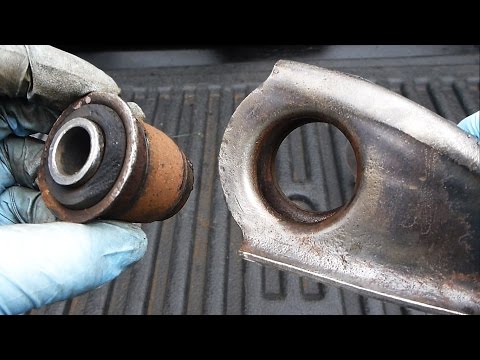
If budget is a primary concern and you don't need advanced features, a well-tuned conventional suspension can still offer good performance. Upgrading to high-quality bushings and shocks can improve ride quality without the complexity of electronic systems.
Remember, the right choice depends on your specific needs and budget. By following this framework, you can make an informed decision that enhances your driving experience.
Conclusion: The Road Ahead
Modern suspension technology has transformed vehicle performance, offering unprecedented levels of comfort, handling, and safety. From adaptive dampers to air springs and AI-driven predictive systems, the options are more advanced than ever. For buyers, understanding these technologies is key to making the right choice.
Whether you're upgrading your current vehicle or specifying a new one, consider your driving needs, budget, and long-term costs. Invest in quality components from reputable suppliers to ensure reliability and performance. As technology continues to evolve, the future of suspension looks even more promising, with smarter systems that anticipate and adapt to the road ahead.
For more information on suspension components, explore our range of automotive suspension components or learn about our manufacturing facility and quality control processes. We're committed to helping you get the best performance from your vehicle.