Multi-Link Suspension: A Manufacturer's Guide to Design, Maintenance, and Upgrade Decisions

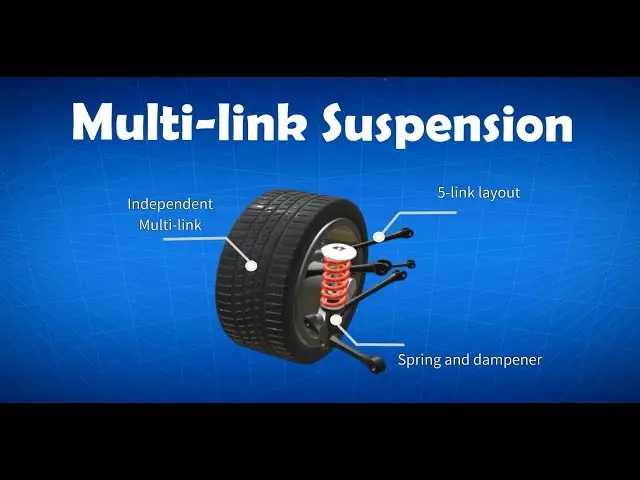
Multi-link suspension is an independent suspension system that uses three to five lateral links to precisely control wheel motion, offering a superior balance of ride comfort and handling precision. This guide explains how it works, compares it to other designs, and provides practical advice on maintenance and upgrades.
How Multi-Link Suspension Works
Multi-link suspension uses multiple links—typically upper and lower arms, a toe link, and a trailing arm—to connect the wheel hub to the chassis. Each link has a specific length and mounting angle, allowing engineers to fine-tune camber, toe, and roll characteristics. This design keeps the tire perpendicular to the road during cornering and over bumps, reducing tire wear and improving stability.
Multi-Link vs. Double Wishbone vs. MacPherson Strut: Which Is Right?
No single design wins outright; each has trade-offs. Multi-link offers the most tuning flexibility, double wishbone is lighter and simpler, and MacPherson strut is cost-effective and compact. The best choice depends on vehicle use, packaging, and budget.
Geometry and Performance
Double wishbone uses two A-arms for excellent camber control. MacPherson strut integrates the shock as a locating member, simplifying design but limiting camber adjustability. Multi-link achieves similar or better camber control while allowing more freedom in designing roll center and anti-squat/anti-dive characteristics, making it a favorite for performance sedans and SUVs.
Cost and Complexity
Multi-link is more complex and expensive to manufacture and maintain. It requires more bushings, ball joints, and precise alignment. Double wishbone is simpler and lighter, but may not offer the same tuning range. MacPherson strut is the most cost-effective and widely used in economy cars, but often compromises ultimate handling.
Examples
- BMW 3 Series: rear multi-link
- Honda Civic (current gen): rear multi-link
- Toyota Corolla (current gen): rear multi-link on higher trims
- Many economy cars (e.g., older Honda Fit): torsion beam or MacPherson
Common Failure Points and Symptoms
Multi-link suspensions are durable, but bushings, ball joints, and links wear over time. Symptoms include clunking noises over bumps, uneven tire wear, poor alignment retention, and vague steering. Recognizing these early prevents costly damage.
Bushings
Bushings crack, tear, or soften over time. Inspect visually for cracks or bulges. A pry test—using a bar to check for excessive movement—reveals wear. Worn bushings cause clunks on rough roads.
Ball Joints
Ball joints develop play, causing knocking sounds and uneven tire wear. Jack up the vehicle and use a pry bar to check for movement. Excessive play means replacement.
Links
Links can bend or break after impacts. Inspect for visible damage and check alignment. If the vehicle pulls to one side or the steering wheel is off-center, a bent link may be the cause.
Typical Lifespan
Bushings typically last 50,000 to 100,000 miles, depending on road conditions and driving style. Aggressive driving, off-road use, and exposure to salt or extreme temperatures accelerate wear. Regular inspection every 30,000 miles is recommended.
Maintenance and Repair: Best Practices for Longevity
Regular inspection and timely replacement of worn components extend the life of your multi-link suspension.
Inspection Intervals
Inspect every 30,000 miles or annually, whichever comes first. Look for wear on bushings, ball joints, and links. Check for fluid leaks from shock absorbers and ensure fasteners are torqued to spec.
Replacing Bushings and Links
Use a press to remove and install bushings. Torque fasteners to manufacturer specifications while the suspension is at normal ride height, not hanging. Replace links in pairs if they show similar wear. After any repair, a wheel alignment is mandatory.
Quality Parts
Use high-quality parts from reputable brands. Cheap bushings fail quickly, leading to repeat repairs. Look for parts meeting or exceeding OEM specifications. For example, our Large suspension bushing and Large suspension bushing are designed to match OEM standards for Hyundai and KIA vehicles.
Tools and Safety
You'll need a ball joint press, bushing removal tools, and torque wrenches. Always support the vehicle on jack stands and never work under a car supported only by a jack.
Upgrade Considerations: Enhancing Performance and Durability
Upgrading your multi-link suspension can improve handling and durability, but choose parts based on your goals. Common upgrades include polyurethane bushings, adjustable camber arms, and upgraded sway bars.
Polyurethane Bushings
Polyurethane bushings are stiffer than rubber, reducing flex and improving steering response. However, they transmit more road noise and vibration. If comfort is a priority, stick with rubber. For a track car, polyurethane is a good choice.
Adjustable Camber Arms
Adjustable camber arms allow fine-tuning alignment for aggressive driving or lowered ride heights. Useful for track enthusiasts but may be overkill for street use.
Upgraded Sway Bars
Thicker sway bars reduce body roll, improving cornering stability. They are cost-effective but can make the ride harsher. Choose a diameter matching your driving style.
Trade-offs
Stiffer components often compromise ride comfort. For a daily driver, stick with quality OEM-style parts. For a weekend track car, consider adjustable components. Always balance performance with practicality.
Warnings
Avoid cheap, low-quality parts that may fail prematurely. They can compromise safety and lead to costly repairs. Stick with reputable brands and verify fitment for your vehicle.
Manufacturer's Perspective: Design and Quality Trade-Offs
Designing a multi-link suspension involves balancing performance, cost, and durability.
Engineering Process
Engineers use CAD and multi-body simulation to optimize geometry. They analyze loads, stresses, and kinematics to meet performance targets. Material selection is critical—steel for strength, aluminum for weight reduction, and rubber or polyurethane for bushings.
Precision Manufacturing
Precision is paramount. Bushings must be manufactured to tight tolerances to ensure proper fit and function. Our quality control processes include dimensional checks and material testing to ensure every part meets specifications.
Cost-Cutting Measures
OEMs often cut costs by using cheaper materials or simpler designs. For example, they may use rubber bushings with lower durometer to reduce cost, but this can lead to premature wear. Some may use fewer links, reducing performance.
Identifying Quality Parts
When choosing aftermarket parts, look for:
- Brand reputation: Established brands with a history of quality.
- Materials: High-grade steel, aluminum, or polyurethane.
- Certifications: ISO 9001 or IATF 16949 indicate quality management.
- Warranty: A good warranty shows confidence in the product.
At our company, we pride ourselves on manufacturing high-quality automotive suspension components that meet or exceed OEM standards. Visit our manufacturing facility to see our processes, or learn more about our company.
Conclusion
Multi-link suspension offers superior handling and ride comfort when properly maintained. Understanding its components, maintenance needs, and upgrade options empowers you to make informed decisions. Regular inspection and quality parts are keys to a long-lasting suspension system.