Inside the Suspension Factory: How Precision Manufacturing Determines Quality and Reliability

When you replace a control arm or other suspension component, the quality of the part hinges on the precision of its manufacturing process—not just the brand label. Understanding how these parts are made helps you choose components that ensure safety and performance.
From Raw Steel to Finished Control Arm: A Step-by-Step Manufacturing Process
The manufacturing process of a suspension component like a control arm is a sequence of precision operations that determine the part's strength, durability, and performance. Each step—from forging to surface finishing—impacts the final product's ability to withstand the stresses of daily driving.
Forging: Shaping Steel Under High Pressure
Forging is the first major step in creating a robust suspension component. Heated steel billets are placed in a die and subjected to high pressure, which shapes the metal while aligning its grain structure to follow the part's contours. This grain flow enhances fatigue resistance, making forged components stronger than those cut from solid stock. For example, a forged control arm can handle repeated stress cycles without cracking, a critical property for safety-related parts.
Machining: Achieving Exact Dimensions
After forging, the part undergoes CNC machining to achieve precise dimensions and tolerances. Computer-controlled mills and lathes remove excess material to create mounting holes, bushings seats, and ball joint tapers. Tolerances are often within ±0.1 mm, ensuring that the part fits correctly on the vehicle and maintains proper alignment. A poorly machined control arm can lead to premature bushing wear or alignment issues, affecting handling and tire life.
Heat Treatment: Optimizing Hardness and Toughness
Heat treatment is essential to balance hardness and toughness. The part is heated to a specific temperature and then quenched in oil or water, followed by tempering at a lower temperature. This process relieves internal stresses and adjusts the steel's microstructure to achieve the desired mechanical properties. For instance, SAE 4140 steel, commonly used in suspension components, is hardened to around 28–32 HRC (Rockwell Hardness) for optimal strength without brittleness.
Surface Finishing: Protecting Against Corrosion and Wear
The final manufacturing step is surface finishing, which protects the component from corrosion and wear. Common methods include zinc plating, powder coating, or e-coating. Zinc plating offers sacrificial protection, while powder coating provides a durable, chip-resistant finish. E-coating ensures even coverage in hard-to-reach areas. A quality finish prevents rust, which can weaken the part and lead to premature failure.
Quality Control and Testing: How Manufacturers Ensure Reliability
Quality control is not a single checkpoint but an integrated system that verifies every part meets specifications. Rigorous testing ensures that suspension components can withstand real-world conditions, giving buyers confidence in their reliability.
Dimensional Inspection Using CMM
Coordinate Measuring Machines (CMM) are used to verify that each part's dimensions match the CAD model. The CMM probes multiple points on the part and compares them to the design tolerances. This inspection catches any deviations that could affect fitment or performance. For example, a control arm's mounting holes must be precisely positioned to avoid binding or misalignment.
Material Testing to Confirm Steel Grade
Material testing ensures that the steel used meets the required grade and composition. Spectrometers analyze the chemical makeup, verifying elements like carbon, chromium, and molybdenum. This step prevents the use of substandard materials that could compromise strength. A part made from incorrect steel might look identical but fail under load.
Fatigue Testing to Simulate Real-World Stress
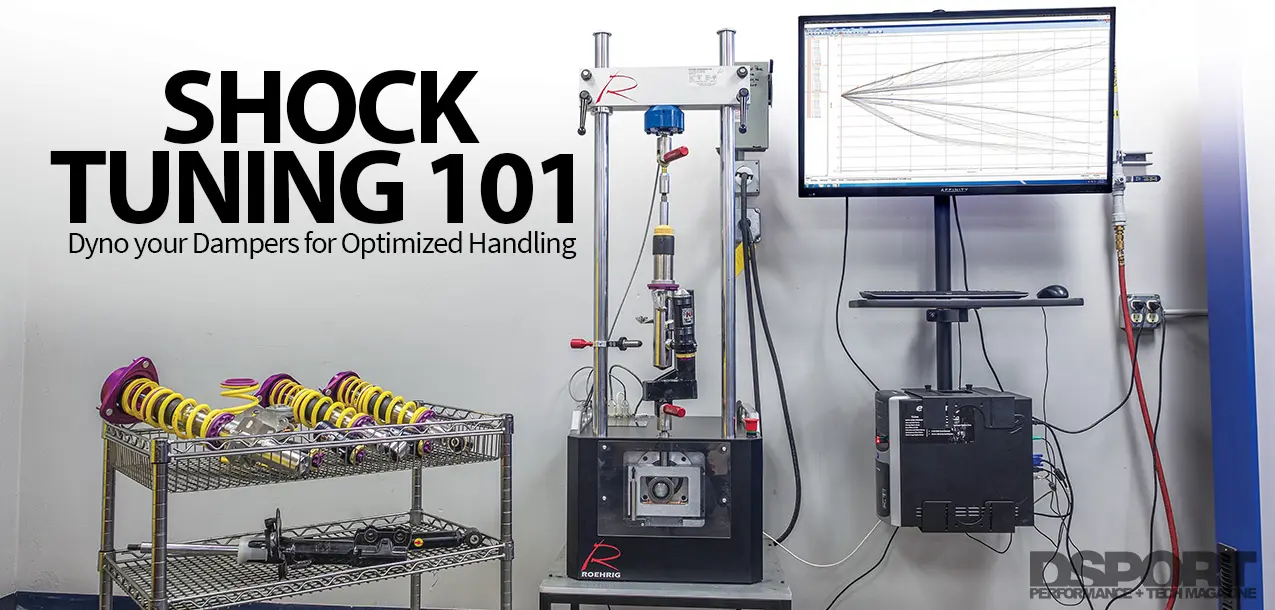
Fatigue testing subjects components to repeated loading cycles that mimic years of driving. Hydraulic actuators apply forces to the suspension part, often millions of cycles, to ensure it can endure without cracking. For instance, a control arm might be tested for 500,000 cycles at various loads. This testing validates the design and manufacturing process, ensuring longevity.
Non-Destructive Testing (NDT)
NDT methods like ultrasonic or magnetic particle inspection detect surface and subsurface flaws without damaging the part. Ultrasonic testing uses high-frequency sound waves to find internal cracks, while magnetic particle inspection reveals surface cracks in ferromagnetic materials. These techniques are crucial for safety-critical components, as they catch defects that could lead to failure.
Materials Selection and Treatment: The Foundation of Durability
The choice of steel grade and heat treatment directly influences a suspension component's lifespan and performance. Understanding these factors helps buyers evaluate quality.
Common Steel Grades and Their Properties
Suspension components are typically made from medium-carbon alloy steels like SAE 4140 or 4340. SAE 4140 offers good toughness and fatigue strength, while 4340 provides higher hardenability and strength. These grades are chosen for their ability to be heat-treated to the required hardness while maintaining ductility. For example, a control arm made from 4140 can achieve a tensile strength of 90,000–120,000 psi after heat treatment.
Heat Treatment Processes: Quenching and Tempering
Quenching and tempering is the standard heat treatment for suspension parts. The steel is austenitized at around 850°C, quenched to form martensite, and then tempered at 200–400°C to reduce brittleness. This process yields a microstructure that balances hardness and toughness. The exact temperatures and times are controlled to achieve a specific hardness range, typically 28–32 HRC for control arms.
Surface Treatments for Corrosion Resistance
Surface treatments protect the part from environmental corrosion. Zinc plating is common for fasteners and smaller components, offering sacrificial protection. Powder coating provides a thick, durable layer that resists chips and scratches. E-coating is an electrochemical process that deposits a uniform paint layer, ideal for complex shapes. These treatments extend the part's life by preventing rust, which can weaken the metal over time.
How Material Choice Affects Performance
The material and treatment directly impact performance. A higher-grade steel with proper heat treatment will resist fatigue and deformation better than a lower-grade alternative. For instance, a control arm made from 4340 steel can handle higher loads without bending, making it suitable for performance applications. Conversely, a part made from low-carbon steel might be cheaper but will wear out faster and may fail under stress.
OEM vs Aftermarket Manufacturing Standards: What's the Real Difference?
The primary difference between OEM and aftermarket suspension parts lies in the manufacturing standards and quality control. OEM parts are built to exact specifications of the vehicle manufacturer, often with tighter tolerances and more rigorous testing. Aftermarket parts, however, can range from budget options that cut corners to performance upgrades that exceed OEM standards.
OEM Parts: Exact Specifications and Higher Tolerances
OEM (Original Equipment Manufacturer) parts are produced by suppliers that meet the automaker's stringent requirements. They must pass PPAP (Production Part Approval Process) and adhere to IATF 16949 quality standards. Tolerances are often tighter, and materials are specified to meet durability targets. For example, an OEM control arm is designed to last the vehicle's lifetime, with fatigue testing that simulates 150,000 miles or more.
Aftermarket Parts: Variable Quality
Aftermarket parts vary widely in quality. Budget manufacturers may use lower-grade steel, skip heat treatment, or reduce testing to cut costs. This can lead to premature failure or poor fitment. On the other hand, reputable aftermarket brands often produce parts that match or exceed OEM specifications, using similar materials and processes. They may even offer improvements like polyurethane bushings for better performance.
Key Differences in Materials, Testing, and Quality Control
The most significant differences are in materials and testing. OEM parts use specified steel grades and undergo extensive validation, including dimensional, material, and fatigue testing. Aftermarket manufacturers may not always disclose their materials or testing procedures. Look for certifications like ISO 9001 or IATF 16949, which indicate a commitment to quality.
How to Identify a Reputable Aftermarket Manufacturer
To identify a reputable aftermarket manufacturer, check for certifications, ask about their testing procedures, and look for reviews from mechanics or other buyers. A manufacturer that is transparent about their processes and willing to share test data is more likely to produce reliable parts. Additionally, consider the warranty—a longer warranty often signals confidence in the product.
Factory Tour Insights: What to Look for in a Suspension Parts Manufacturer
Visiting a manufacturing facility can reveal a lot about a company's commitment to quality. Here are key things to observe when evaluating a suspension parts manufacturer.
Cleanliness and Organization
A clean, organized facility indicates attention to detail and process control. Look for clear workflows, labeled areas, and proper storage of raw materials and finished parts. Clutter and disorganization can lead to mix-ups or contamination, affecting quality.
Presence of Modern CNC Machines and Automated Lines
Modern CNC machines and automated production lines suggest investment in precision and consistency. Automated processes reduce human error and ensure repeatability. For example, robotic welding and CNC machining centers produce parts with consistent quality, whereas manual operations may vary.
Visible Quality Control Stations and Testing Equipment
Quality control should be integrated into the production line. Look for inspection stations with CMMs, hardness testers, and other equipment. A manufacturer that tests parts in-process is more likely to catch defects early. Also, check for fatigue testing machines, which indicate a commitment to durability validation.
Certifications Displayed
Certifications like ISO 9001 or IATF 16949 are displayed prominently in reputable facilities. These certifications require documented quality management systems and regular audits. Their presence indicates that the manufacturer follows industry best practices.
Willingness to Share Testing Data and Answer Technical Questions
A confident manufacturer will openly share testing data and answer technical questions. They should be able to provide material certificates, dimensional reports, and fatigue test results. If they are evasive or lack detailed answers, it may be a red flag.
Engineering Rationale: Why Design Choices Impact Performance
Suspension design is not just about shape; it's about optimizing geometry and material distribution to achieve the best performance. Understanding these principles helps buyers appreciate why some parts perform better than others.
How Control Arm Geometry Affects Wheel Alignment and Handling
The control arm's length, angle, and mounting points determine the wheel's motion and alignment. Proper geometry ensures that the tire maintains optimal contact with the road during cornering and braking. For example, a longer control arm can improve camber gain, enhancing grip. Manufacturers design arms with specific geometry to match the vehicle's suspension system.
Why Some Designs Use Hollow or Forged Arms to Reduce Weight
Hollow or forged control arms reduce unsprung weight, which improves ride quality and handling. Lighter components allow the suspension to react faster to road irregularities. Forged arms achieve this by shaping the metal to remove excess material while maintaining strength. Some designs use hydroforming to create complex hollow shapes that are both light and strong.
The Role of Bushings and Ball Joints in Overall Performance
Bushings and ball joints are critical for isolating noise, vibration, and harshness (NVH) while allowing controlled movement. Bushing compliance affects alignment under load, while ball joints enable steering and suspension articulation. High-quality bushings made from durable materials like polyurethane offer better performance but may transmit more NVH. Manufacturers select materials to balance comfort and handling.
How Manufacturing Precision Affects the Final Product's Performance
Manufacturing precision directly impacts performance. Tight tolerances ensure that bushings and ball joints are properly aligned, reducing stress and wear. A control arm with accurate mounting points will maintain alignment better, leading to even tire wear and predictable handling. Conversely, a poorly manufactured arm can cause alignment issues, leading to vibrations and premature component failure.
FAQ
Q: What is the most important factor in suspension component quality?
A: Material selection and heat treatment are critical, as they determine strength and durability. However, consistent manufacturing processes and rigorous testing are equally important to ensure every part meets specifications.
Q: How can I tell if an aftermarket part is good quality?
A: Look for certifications like IATF 16949, ask about materials and testing, and check reviews. A reputable manufacturer will be transparent about their processes and offer a warranty.
Q: Are OEM parts always better than aftermarket?
A: OEM parts are designed to meet the vehicle manufacturer's specifications, ensuring fit and performance. However, some aftermarket parts can exceed OEM quality, especially those from reputable brands that use higher-grade materials or improved designs.
Q: What does heat treatment do to a suspension component?
A: Heat treatment optimizes the steel's hardness and toughness, relieving internal stresses and improving fatigue resistance. Without proper heat treatment, a part may be too brittle or too soft, leading to premature failure.
Q: Why do some control arms have hollow designs?
A: Hollow designs reduce weight without sacrificing strength, improving ride quality and handling. They are often produced through forging or hydroforming to maintain structural integrity.
Q: What should I look for when visiting a suspension factory?
A: Observe cleanliness, modern equipment, quality control stations, certifications, and their willingness to share testing data. These factors indicate a manufacturer's commitment to quality.
For more information on our manufacturing processes and quality standards, visit our manufacturing facility page or explore our range of automotive suspension components. If you have specific questions about our quality control procedures, we're happy to provide details.