How Suspension Parts Quality Impacts Vehicle Handling and Long-Term Reliability
The quality of suspension parts directly determines vehicle handling and long-term reliability. While budget parts may seem cost-effective initially, they often lead to premature wear, compromised safety, and higher total ownership costs. This article provides a technical framework for evaluating suspension parts quality, enabling informed purchasing decisions for automotive parts buyers, mechanics, and DIY users.
The Hidden Cost of Cheap Suspension Parts
Choosing cheap suspension parts is a false economy. The initial savings are quickly eroded by accelerated wear, compromised handling, and potential safety risks. For instance, a low-quality control arm bushing may fail in 20,000 miles, while a quality component can last 100,000 miles or more [MODEL_ANALYSIS]. The labor cost to replace a bushing often exceeds the part cost, so frequent replacements negate any upfront savings. Moreover, a failure at highway speed can lead to loss of control, making quality a safety imperative, not just a performance upgrade.
How Suspension Components Work Together: A Primer
The suspension system is a network of components that maintain wheel geometry and absorb road forces. Key parts include control arms, ball joints, tie rods, bushings, and struts/shocks. Control arms connect the wheel hub to the vehicle frame, allowing vertical movement while controlling lateral forces. Ball joints act as pivot points between the control arm and steering knuckle, enabling steering and suspension travel. Tie rods link the steering rack to the steering knuckle, transmitting driver input. Bushings are rubber or polyurethane insulators that absorb vibration and allow controlled movement between metal parts. Struts and shocks dampen spring oscillations, controlling body motion.
Each component's integrity is crucial for the system to perform as designed. A single worn or low-quality part can compromise the entire suspension's behavior. For example, a worn ball joint introduces play, causing alignment to shift and leading to uneven tire wear and vague steering. The suspension is only as strong as its weakest link.
Material Integrity and Manufacturing Precision: The Core of Quality
Quality in suspension parts is determined by materials and manufacturing processes. High-grade steel, aluminum, or polyurethane offer superior strength, fatigue resistance, and corrosion resistance compared to low-grade metals or rubber. Forged components are denser and stronger than cast ones, with better fatigue life. Precision machining tolerances ensure proper fit and function, while heat treatment enhances hardness and durability. Quality control processes, such as ISO/TS16949 certification, ensure consistency and reliability.
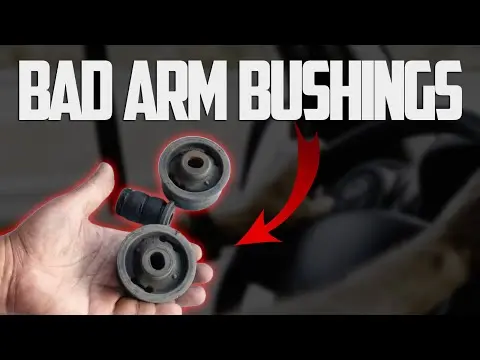
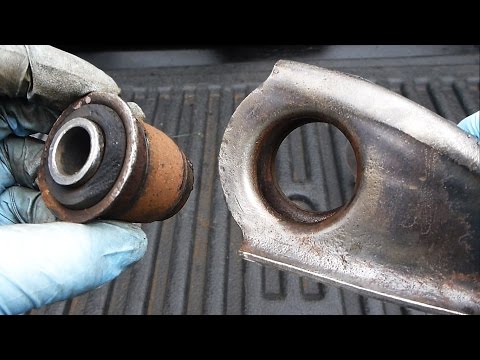
For example, a forged control arm is less likely to crack under stress than a cast one. A PTFE-lined ball joint reduces friction and wear, extending its life. A bushing made from high-quality rubber or polyurethane resists cracking and maintains compliance, preserving alignment and ride comfort. In contrast, a cheap bushing may deform, causing misalignment and premature tire wear.
Impact of Quality on Handling: What You Feel
Part quality translates directly into tangible differences in handling. Bushing compliance affects wheel alignment under load; low-quality bushings lead to vague steering and uneven tire wear. Ball joint smoothness and play are critical; excessive play causes clunking and poor alignment retention. Strut/shock valving and internal friction determine damping consistency; quality units provide stable damping, while cheap ones fade or leak.
These factors manifest in real driving: wandering, understeer/oversteer, braking instability, and harshness. A vehicle with worn bushings may feel "floaty" and require constant steering corrections. A ball joint with play can cause a clunk over bumps and a shimmy at speed. Quality parts maintain precise geometry, delivering predictable handling and a stable ride.
Impact of Quality on Long-Term Reliability: What You Don't See
Low-quality parts fail prematurely due to corrosion, fatigue, and wear. Cheap coatings offer little protection, leading to rust in salt-belt regions. Low-grade metals crack or bend under stress, causing sudden failure. Rubber bushings and boots crack, allowing contamination and wear. A quality tie rod end may last 100,000 miles, while a cheap one may fail in 20,000 [MODEL_ANALYSIS]. The hidden cost is not just the part replacement but the potential damage to other components and the safety risk.
Signs of Worn or Low-Quality Suspension Parts
Common symptoms include clunking or knocking noises, excessive play in steering, uneven tire wear, pulling to one side, and a bouncy ride. Inspect visually for cracked bushings, leaking shocks, torn boots, and excessive movement in ball joints and tie rods. Distinguish between normal wear and quality-related failure: premature wear due to poor materials vs. expected end-of-life. Ignoring these signs can lead to more extensive damage and safety risks.
OEM vs. Aftermarket: Making an Informed Choice
OEM parts are designed to exact specifications and often come with a warranty, but can be expensive. Aftermarket parts vary widely in quality; reputable brands offer comparable or better performance at a lower price, while cheap brands may be inferior. Key considerations include material quality, manufacturing standards, and warranty support. Evaluate aftermarket brands by looking for certifications (ISO, TS16949), materials, and customer reviews.
How to Choose Quality Suspension Parts: A Buyer's Checklist
When selecting suspension parts, check material and construction: look for forged steel or aluminum, PTFE-lined ball joints, and high-quality rubber or polyurethane bushings. Verify manufacturing standards: look for ISO/TS16949 certification, precision machining, and quality control processes. Research the brand: read reviews, check warranty, and look for a track record of reliability. Consider the application: choose parts designed for your specific vehicle and driving conditions (e.g., heavy-duty for trucks).
Maintenance Tips to Extend Suspension Lifespan
Regular inspections are essential: check for wear, leaks, and damage every 12,000-15,000 miles or as recommended. Keep components clean and lubricated, especially ball joints and tie rod ends with grease fittings. Address alignment issues promptly, as misalignment accelerates tire and suspension wear. Avoid overloading the vehicle, as excessive weight stresses suspension components.
Conclusion: Invest in Quality for Safety and Performance
Suspension quality is not a luxury; it's a necessity for safety and long-term cost savings. By understanding the materials, manufacturing, and maintenance, you can make informed decisions that protect your vehicle and your wallet. Choose quality parts from reputable manufacturers, and your suspension will deliver reliable performance for years to come.