Strut Assembly Design: How Engineering Choices Impact Ride, Handling, and Durability

The design of a strut assembly—from materials to internal valving—directly dictates your vehicle's ride, handling, and longevity. Whether you're a buyer, mechanic, or DIYer, understanding these design elements is crucial for making an informed purchasing decision. This guide explains what constitutes good design and how it affects your car, so you can prioritize quality over price.
Anatomy of a Strut Assembly: What Each Component Does
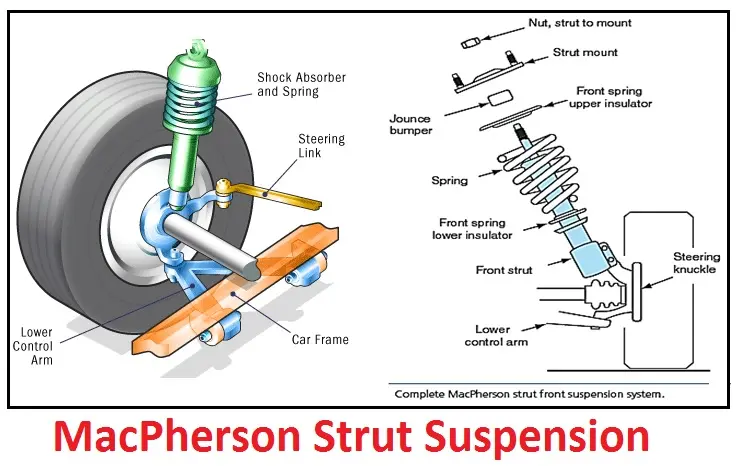
A strut assembly integrates the shock absorber, coil spring, and structural mounting into a single unit. Each component is engineered for a specific role, and its design impacts performance and durability.
- Spring Seat: Transmits the coil spring's load to the strut housing. Its design affects spring alignment and NVH (noise, vibration, harshness). A poorly designed seat can cause spring squeaks or premature fatigue.
- Strut Bearing: Allows the strut to rotate with the steering knuckle. High-quality bearings reduce steering effort and prevent premature wear. Sealed bearings resist contamination, extending service life.
- Mounting: The top mount isolates the strut from the vehicle body. It typically includes a rubber bushing and a bearing. Material choice (natural rubber vs. polyurethane) balances comfort and durability. Polyurethane mounts offer better handling but transmit more NVH.
- Piston Rod: Connects the piston to the upper mount. Its surface finish and hardness affect seal life and damping consistency. Chrome-plated rods resist corrosion and wear.
- Strut Housing: The structural backbone. Manufacturing methods—welded vs. forged—impact strength and weight. Forged housings are stronger but costlier; welded housings are common in mass production.
Material Selection and Coatings: The First Line of Defense
Materials and coatings are critical for corrosion resistance, weight, and durability. Common materials include:
- Steel: Standard for housings and piston rods. High-strength steel reduces weight while maintaining rigidity.
- Aluminum: Used in premium assemblies to reduce unsprung weight, improving suspension response. Aluminum housings are lighter but may require additional corrosion protection.
- Polyurethane: Used in bushings and mounts for enhanced durability and handling, at the cost of increased NVH.
Coating technologies protect against corrosion and wear:
- Zinc Plating: Applied to piston rods for corrosion resistance. Quality varies with thickness and process.
- Powder Coating: Durable, chip-resistant finish for housings. Offers good corrosion protection.
- E-coating (Electrophoretic Deposition): Uniform coating that reaches internal surfaces, offering superior corrosion resistance. Often used as a primer.
These choices directly affect longevity. A strut with poor coating may fail prematurely due to corrosion, especially in regions with road salt. For example, e-coating typically provides a thickness of 15-25 microns, and salt spray testing per ASTM B117 can validate performance. JS Suspension uses e-coating as a primer on all housings to ensure corrosion resistance that meets or exceeds OEM standards.
Internal Valving and Damping: The Heart of Ride and Handling
Valving controls oil flow inside the strut, generating damping force. The design of the valve stack determines how the strut responds to road inputs.
- Digressive Valving: Provides high damping at low piston speeds (for body control) and lower damping at high speeds (for impact absorption). This is common in performance-oriented struts.
- Linear Valving: Damping force increases proportionally with piston speed. Offers predictable behavior, often used in comfort-oriented applications.
Valving is tuned for specific vehicle applications. A sports car may use digressive valving for sharp handling, while a luxury sedan uses linear valving for a smooth ride. When replacing struts, matching the valving to your vehicle's intended use is crucial. Aftermarket struts often offer different valving options to suit driving preferences. For instance, a performance strut might have a low-speed compression damping of 200 N at 0.1 m/s, whereas a comfort strut might have 150 N at the same speed. These differences translate into noticeable ride and handling characteristics.
OEM vs. Aftermarket Design Philosophies: What's the Difference?
OEM (Original Equipment Manufacturer) struts are designed to meet the vehicle manufacturer's specifications, balancing performance, cost, and longevity under normal driving conditions. They are tested extensively for durability and NVH.
Aftermarket struts vary widely:
- Performance-Oriented: Brands like Bilstein or Koni offer struts with digressive valving and higher damping forces for improved handling. They may use higher-quality materials and tighter tolerances.
- Budget: These prioritize low cost, often using basic materials and valving. They may not match OEM performance or durability.
- Enhanced Durability: Some aftermarket struts use stronger materials or better coatings for severe conditions.
Design differences include materials, valving, and manufacturing tolerances. For example, an OEM strut might use a specific steel alloy and a proprietary coating, while a budget aftermarket unit uses cheaper materials. Buyers should consider their driving needs and expectations when choosing between OEM and aftermarket. A comparison table can help:
| Feature | OEM | Budget Aftermarket | Performance Aftermarket |
|---------|-----|-------------------|------------------------|
| Valving | Tuned for comfort and control | Basic, often linear | Digressive, higher damping |
| Materials | High-strength steel, quality coatings | Lower-grade steel, thin coatings | Aluminum or high-strength steel, advanced coatings |
| Bearings | Sealed, long-life | Often unsealed | Sealed, high-quality |
| Price | Moderate | Low | High |
| Durability | High | Variable | High |
Design-Related Failure Modes: What to Look For Before They Break
Design flaws or wear in specific components lead to common failure symptoms. Recognizing these early can prevent unsafe conditions.
- Worn Bearings: Causes clunking noises when turning and uneven tire wear. Design quality (sealed vs. unsealed) influences lifespan.
- Leaking Seals: Oil leakage indicates seal failure. Poor seal design or contamination accelerates wear. Symptoms include bouncy ride and reduced damping.
- Bent Rods: Often from impact or improper installation. Causes rapid seal wear and leaks.
- Corroded Housings: Rust weakens the structure and can lead to failure. Coating quality is a major factor.
Symptoms of each failure mode:
- Worn bearing: Noise when steering, uneven tire wear.
- Leaking seal: Oil on the strut body, excessive bouncing.
- Bent rod: Visible damage, vibration, noise.
- Corroded housing: Rust, potential structural failure.
If you notice these signs, inspect the strut assembly and replace it promptly. Ignoring them compromises safety and leads to additional suspension wear. To identify quality, check for sealed bearings, chrome-plated rods, and e-coated housings. Also, look for signs of poor manufacturing like rough welds or thin coatings.
Future Trends in Strut Design: Lightweighting and Adaptive Damping
Emerging technologies are shaping the next generation of strut assemblies.
- Lightweighting: Manufacturers are using aluminum and composite materials to reduce unsprung weight. This improves ride quality and handling by allowing the suspension to react faster to road irregularities.
- Adaptive Damping: Systems like magnetorheological (MR) dampers use fluid that changes viscosity in a magnetic field. This allows real-time adjustment of damping force, providing both comfort and performance. These systems require electronic controls and sensors, adding complexity and cost.
These trends may affect aftermarket compatibility. Adaptive struts are often vehicle-specific and may require calibration. Lightweight materials may be more expensive but offer performance benefits. Buyers should consider future trends when selecting struts, especially for performance or luxury vehicles.
Conclusion: Making Informed Decisions
Strut assembly design is a complex interplay of materials, engineering, and manufacturing. By understanding the key components, materials, valving, and design philosophies, you can make informed decisions that prioritize safety, performance, and durability. Whether choosing OEM or aftermarket, always consider the design factors discussed here. Regular inspection and timely replacement of worn struts are essential for maintaining vehicle dynamics and safety.
FAQ
Q: What is the most important design factor in a strut assembly?
A: The internal valving is crucial because it directly controls ride comfort and handling. However, materials and coatings are equally important for durability and corrosion resistance.
Q: How do I know if a strut assembly is well-designed?
A: Look for quality indicators like sealed bearings, chrome-plated piston rods, and e-coated housings. Also, check if the valving matches your vehicle's intended use.
Q: Are aftermarket struts as good as OEM?
A: It depends on the brand and product. Some aftermarket struts are designed to meet or exceed OEM specs, while budget options may compromise on materials and valving. Research and choose based on your driving needs.
Q: Can I replace just the strut insert instead of the whole assembly?
A: Yes, but replacing the entire assembly ensures that all components (bearing, mount, spring) are new, which can save labor and prevent future issues. It's often more cost-effective in the long run.
Q: How often should struts be inspected?
A: It's recommended to have your suspension inspected annually or every 12,000 miles, especially if you notice symptoms like excessive bouncing, uneven tire wear, or noises.
Q: How do I know if my strut bearing is worn?
A: Listen for clunking or popping noises when turning the steering wheel, especially at low speeds. You may also feel a vibration or notchiness in the steering. If you suspect wear, jack up the vehicle and check for play by rocking the wheel.
Q: What are the signs of a bent piston rod?
A: A bent rod can cause visible damage, such as a kink or bend, and may lead to rapid seal wear and oil leaks. You might also notice unusual tire wear or a vibration that worsens over bumps. If you suspect a bent rod, replace the strut immediately.
Q: What torque specifications should I use when installing a strut assembly?
A: Torque specs vary by vehicle. Always consult your vehicle's service manual for exact values. Typically, the top mount nut is torqued to 30-50 ft-lbs, and the strut-to-knuckle bolts are torqued to 80-120 ft-lbs, but these are only examples. Use a torque wrench to avoid over-tightening, which can damage components.