Steering Linkage Motion: Kinematics, Wear Diagnosis, and Precision Replacement

Steering linkage motion is the precise transfer of your steering wheel input to the road wheels. Any slop or binding in this system directly impacts handling, tire wear, and safety. This article explains the components, kinematics, system types, and how to diagnose and maintain steering linkage with precision.
What Is Steering Linkage and Why Does Its Motion Matter?
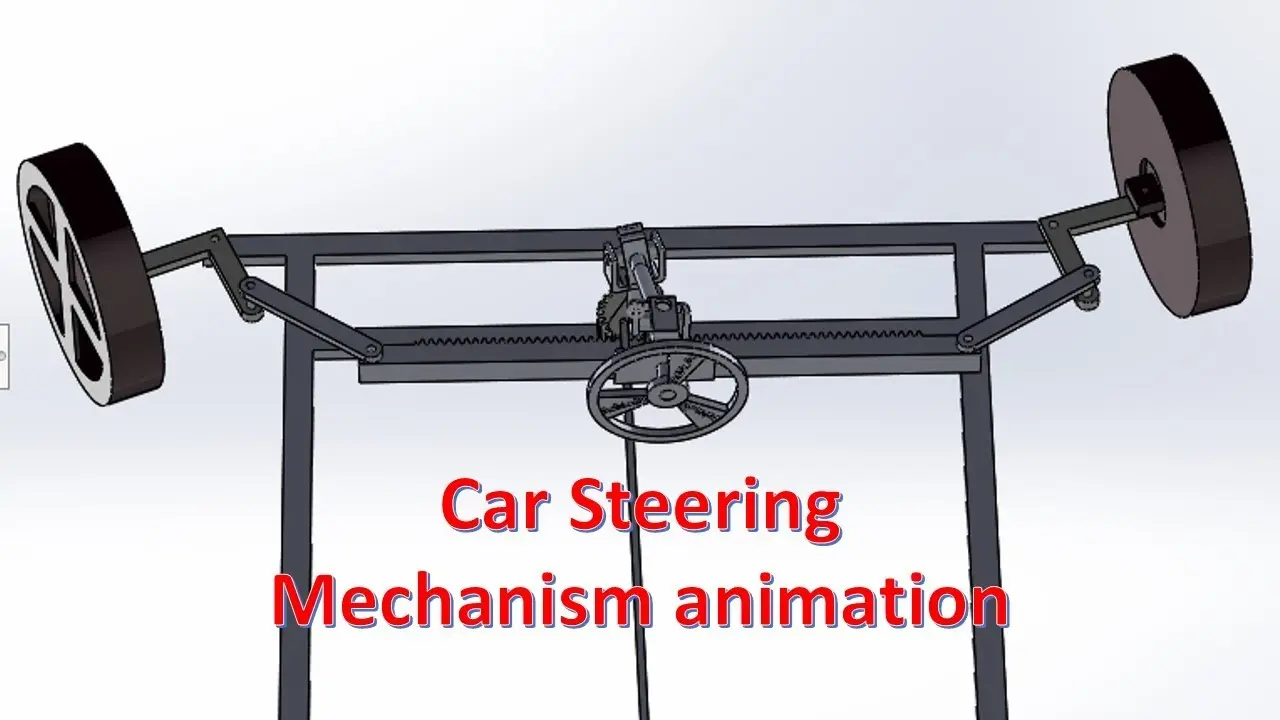
Steering linkage is the system of rods and joints that transmit driver input from the steering gear to the wheel knuckles. Its motion must be precise and controlled because it determines steering response, tire wear, and vehicle stability. There are two main types: parallelogram (with pitman and idler arms) and rack-and-pinion (with tie rods directly attached to the rack).
Components of Steering Linkage: Anatomy and Function
Each component in the steering linkage has a specific role in converting rotational input into linear motion that turns the wheels.
Pitman Arm
In parallelogram systems, the pitman arm is splined to the steering gear output shaft. It converts the gear's rotational output into lateral (side-to-side) motion. A worn pitman arm bushing or ball socket introduces play, making the steering feel loose.
Idler Arm
The idler arm supports the center link on the passenger side, maintaining the correct geometry. It pivots on a bushing that wears over time. A worn idler arm allows vertical movement of the center link, causing steering wander and uneven tire wear.
Center Link (or Drag Link)
The center link connects the pitman and idler arms, transmitting lateral motion to the tie rods. It is a rigid bar that must move freely without binding. Any bending or damage to the center link affects toe alignment and steering geometry.
Tie Rod Ends (Inner and Outer)
Tie rod ends connect the center link (or rack) to the steering knuckle. They allow articulation and provide a threaded adjustment for toe setting. The outer tie rod end is the most common wear point; its ball socket wears, causing play and clunking noises.
How Steering Linkage Motion Transfers Input to the Wheels
The motion path is straightforward: steering gear output rotates the pitman arm, which moves the center link laterally, which pushes or pulls the tie rods to rotate the knuckles. This rotation turns the wheels.
Ackermann geometry ensures that the inner wheel turns more sharply than the outer wheel during a turn, preventing tire scrub. This is achieved by angling the steering arms so that lines drawn through them intersect at the rear axle center. If the linkage geometry is incorrect—due to wear or improper alignment—tire scrub occurs, causing rapid tire wear and reduced cornering grip.
Linkage length and angles also affect the steering ratio and feel. A longer pitman arm or center link increases mechanical advantage but requires more steering wheel rotation for a given wheel angle. The angles of the tie rods relative to the center link affect bump steer (unwanted toe changes during suspension travel).
Parallelogram vs. Rack-and-Pinion: Motion Characteristics Compared
Parallelogram systems use multiple pivot points, making them more compliant and forgiving of minor misalignments. They are common in trucks and older vehicles. However, wear in any joint—pitman arm, idler arm, center link, or tie rod ends—introduces play and reduces precision.
Rack-and-pinion systems have a direct connection: the rack itself acts as the center link, and tie rods attach directly to its ends. With fewer moving parts, they offer more precise motion and better road feedback. They are common in modern cars. The trade-off is that any wear in the rack bushings or tie rod ends is immediately felt as play.
In terms of steering feel, rack-and-pinion is generally more direct and precise, while parallelogram systems can feel more isolated but are often more robust for heavy-duty applications.
Symptoms of Steering Linkage Wear: What to Look For
Common symptoms of worn steering linkage include:
- Loose or vague steering: The vehicle wanders or requires constant correction.
- Clunking noises over bumps: Loose joints or worn bushings allow metal-to-metal contact.
- Uneven tire wear, especially cupping: Worn tie rod ends cause toe changes, leading to scalloped wear.
- Steering wheel off-center: When driving straight, the wheel is not centered.
- Excessive play in the steering wheel: More than 1-2 inches of free play before the wheels respond.
These symptoms occur because worn tie rod ends or ball joints allow uncontrolled movement, which translates into imprecise wheel control and abnormal tire contact.
Diagnostic Tips: How to Inspect Steering Linkage with Precision
Accurate diagnosis requires a systematic approach.
Visual Inspection
Check for torn boots on tie rod ends and ball joints—dirt and moisture accelerate wear. Look for loose mounting bolts and any signs of bending or damage to the center link or pitman arm.
Dry Park Test
With the vehicle on the ground and the engine off, have an assistant turn the steering wheel back and forth while you feel for play in each joint. Place your hand on the tie rod end, pitman arm, and idler arm to detect any clunk or free movement.
Measuring Play
Use a dial indicator or a ruler to measure play at the tie rod ends. Specifications typically allow 1/8 inch (3 mm) or less of movement. If play exceeds this, the component is worn and should be replaced.
Check for Binding
Rotate the steering wheel through its full range while feeling for rough spots or binding. This can indicate a worn ball joint or a damaged rack.
Maintenance and Replacement: Ensuring Precise Motion
Regular maintenance is key to preserving steering linkage motion.
- Lubricate grease fittings on tie rod ends and ball joints at every oil change or per the vehicle's service schedule.
- Perform a wheel alignment after any steering linkage replacement to ensure correct toe and steering geometry.
- Choose quality replacement parts—OEM or reputable aftermarket—to ensure durability and precision. Inferior parts may have loose tolerances or poor materials.
- Replace worn components in pairs (e.g., both outer tie rods) to maintain even wear and consistent geometry.
Manufacturer's Perspective on Precision
At our manufacturing facility, we understand that precision in steering linkage components is non-negotiable. Our quality control processes ensure that every bushing and control arm meets exacting tolerances, because we know that even a few millimeters of play can compromise handling and safety. When you choose replacement parts, look for manufacturers that prioritize precision engineering and rigorous testing.
Conclusion
Steering linkage motion is fundamental to vehicle control. Understanding its components, kinematics, and wear patterns allows you to diagnose issues early and maintain precise steering. Regular inspection, proper lubrication, and timely replacement of worn parts are essential. For high-quality automotive suspension components, explore our range of products designed for durability and precision.