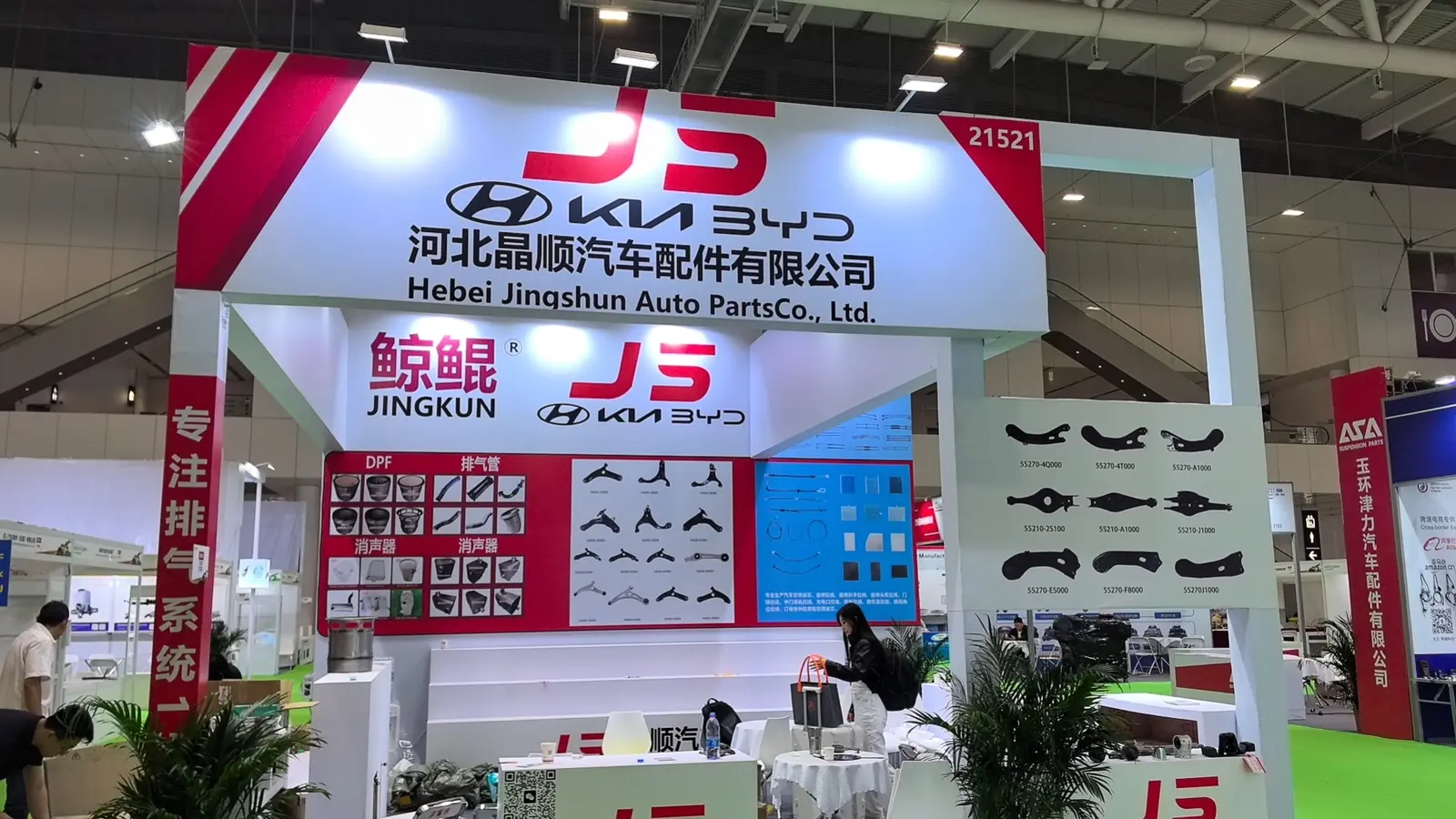
Independent Suspension Design: Engineering Trade-Offs and Manufacturing Insights

Independent suspension allows each wheel to move vertically without affecting the opposite wheel, a design that dominates modern passenger vehicles for its superior ride comfort, handling, and traction. For buyers and mechanics, understanding the trade-offs between different independent suspension types is essential for selecting components that match vehicle dynamics and performance goals.
Types of Independent Suspension: Pros, Cons, and Best Use Cases
Double Wishbone
Double wishbone suspension uses two control arms (wishbones) to locate the wheel, offering superior camber control through suspension travel. This design maintains optimal tire contact patch during cornering, making it a favorite for performance and luxury vehicles. However, it is more complex and costly to manufacture, requiring precise geometry and additional components. If you prioritize handling and are willing to invest in quality parts, double wishbone is the benchmark.
MacPherson Strut
MacPherson strut integrates the shock absorber and coil spring into a single unit, serving as both a structural member and damping element. It is simple, compact, and cost-effective, which is why it dominates front suspensions in economy cars. The trade-off is limited camber control and increased sensitivity to lateral forces, which can affect tire wear and cornering stability. For budget-conscious replacements, MacPherson struts offer a reliable, widely available solution.
Multi-Link
Multi-link suspension uses three or more lateral links to control wheel movement, providing the most design freedom for precise geometry. This allows engineers to optimize camber, toe, and roll center characteristics independently, resulting in exceptional ride quality and handling. Multi-link systems are common in high-performance and premium vehicles but are complex and expensive to produce. When selecting multi-link components, expect higher costs and a need for specialized alignment knowledge.
Other Types (Trailing Arm, Semi-Trailing Arm)
Trailing arm and semi-trailing arm suspensions are simpler designs often used in rear axles of compact cars and some SUVs. They offer good longitudinal compliance and are cost-effective, but their geometry can cause camber changes during suspension travel, affecting stability. These types are less common in modern vehicles but still appear in specific applications where simplicity and space efficiency are key.
Independent vs. Solid Axle: Making the Right Choice for Your Application
Independent suspension excels on paved roads, providing better ride comfort, handling, and traction on uneven surfaces. Solid axles, by contrast, are simpler, more durable, and offer higher load capacity and articulation, making them ideal for heavy-duty off-road and commercial use. The trade-off is that independent suspension typically costs more and is more complex, while solid axles are more robust but compromise ride quality. When deciding, consider vehicle use (on-road vs. off-road), load requirements, and budget. For daily drivers and performance vehicles, independent suspension is the clear choice; for extreme off-road or towing, a solid axle may be more practical.
Design Geometry and Calculations: Key Parameters That Affect Performance
Camber, Caster, and Toe
Camber is the vertical tilt of the wheel; negative camber improves cornering grip but increases tire wear. Caster affects steering feel and straight-line stability; positive caster enhances stability but increases steering effort. Toe is the angle of the wheels relative to the vehicle's centerline; toe-in improves stability, while toe-out sharpens turn-in response. These angles must be set correctly to balance tire wear and handling. After any suspension work, a professional alignment is essential.
Roll Center and Anti-Dive/Anti-Squat
Roll center is the point around which the vehicle body rolls during cornering; its height influences body roll and stability. Anti-dive and anti-squat geometries control pitch during braking and acceleration, affecting comfort and traction. Properly designed geometry reduces unwanted body movement, enhancing driver confidence and tire grip. When upgrading components, ensure they maintain or improve these characteristics.
Unsprung Weight and Its Impact
Unsprung weight is the mass of suspension components not supported by the springs. Lower unsprung weight improves ride quality and tire contact, as the suspension can react faster to road irregularities. Independent suspension inherently reduces unsprung weight compared to solid axles, but material choices (e.g., aluminum vs. steel) can further optimize this. For performance upgrades, consider lightweight control arms and knuckles to enhance responsiveness.
Materials and Manufacturing: How They Impact Performance and Cost
Common Materials (Steel, Aluminum, Composites)
Steel is strong, durable, and cost-effective, making it the standard for OEM and budget aftermarket parts. Aluminum is lighter and corrosion-resistant, but more expensive; it is used in performance and premium vehicles to reduce unsprung weight. Composites offer the lightest weight and high strength, but their cost and limited aftermarket availability restrict their use to high-end applications. When selecting components, balance weight savings against budget and intended use.
Manufacturing Processes (Forging, Casting, Fabrication)
Forging produces components with high strength and fatigue resistance, ideal for critical parts like control arms. Casting allows complex shapes at lower cost, but may have lower strength. Stamping is cost-effective for high-volume production of simpler parts. Each process affects performance and price; forged parts are typically stronger but more expensive, while cast or stamped parts offer cost savings. For aftermarket upgrades, forged components provide superior durability, but ensure they are compatible with your vehicle.
Advantages and Disadvantages
- Steel: Pros – strength, durability, low cost. Cons – heavy, prone to corrosion if not coated.
- Aluminum: Pros – lightweight, corrosion-resistant. Cons – higher cost, potential fatigue issues if not properly engineered.
- Composites: Pros – very light, high strength. Cons – high cost, limited availability, may require specialized installation.
Aftermarket Upgrades and Modifications: What to Consider for Performance or Ride Quality
Lift Kits and Lowering Springs
Lowering springs reduce ride height, lowering the center of gravity and improving handling, but they can compromise ride comfort and may require alignment adjustments. Lift kits raise the vehicle for off-road clearance but alter suspension geometry, often requiring additional modifications. When considering these upgrades, ensure they are compatible with your vehicle's suspension design and intended use.
Performance Upgrades (Coilovers, Air Suspension)
Coilovers offer adjustable ride height and damping, providing flexibility for street or track use. They require proper setup to avoid adverse handling. Air suspension allows adjustable ride height and comfort, but adds complexity and potential reliability issues. Both options can significantly alter ride characteristics; consult with a specialist to choose the right system for your needs.
Maintenance and Common Issues
Inspection and Replacement of Components
Common independent suspension issues include worn bushings, ball joints, tie rod ends, and strut mounts. Symptoms include clunking noises, uneven tire wear, and poor handling. Regular inspection should include visual checks for cracks, leaks, and excessive play, as well as verifying torque specifications. Replace worn components promptly to prevent further damage. For example, our Large suspension bushing and Large suspension bushing are designed to meet OEM specifications for Hyundai and KIA vehicles, ensuring durability and performance.
Alignment and Tire Wear
Proper alignment is essential for tire life and handling. After any suspension work or impact, have the alignment checked. Misalignment can cause rapid tire wear and poor vehicle stability. Regular alignment checks, typically every 10,000 miles or as recommended by the manufacturer, help maintain optimal performance.
Future Trends and Innovations
Active Suspension Systems
Active suspension systems use electronically controlled dampers and air springs to adapt to driving conditions in real time. These systems offer superior ride comfort and handling but are more complex and expensive. As technology advances, they are becoming more common in premium vehicles, and aftermarket options are emerging.
Electric Vehicles and Independent Suspension
Electric vehicles (EVs) often use independent suspension to accommodate heavy battery packs and provide a smooth ride. Multi-link and air suspension designs are increasingly used to protect batteries and enhance comfort. In-wheel motors, a future possibility, will require new suspension architectures. For buyers, this means a growing market for specialized EV suspension components, which may require updated knowledge and tools.
Conclusion
Independent suspension design is a balance of engineering trade-offs involving geometry, materials, and manufacturing. Understanding these factors is essential for making informed decisions on component selection, upgrades, and maintenance. Whether you are a mechanic, DIY enthusiast, or wholesale buyer, focusing on quality and compatibility ensures optimal performance and longevity. For reliable components, explore our range of automotive suspension components and our manufacturing facility to see how we ensure quality.
FAQ
What is the main advantage of independent suspension over solid axle?
Independent suspension provides better ride comfort, handling, and traction on uneven surfaces because each wheel moves independently, reducing body roll and maintaining tire contact.
Which independent suspension type is best for performance driving?
Double wishbone and multi-link suspensions offer superior camber control and geometry optimization, making them preferred for high-performance vehicles.
How does unsprung weight affect ride quality?
Lower unsprung weight allows the suspension to react faster to road irregularities, improving ride quality and tire contact.
What are common signs of suspension wear?
Clunking noises, uneven tire wear, and poor handling are common indicators of worn bushings, ball joints, or other suspension components.
Why is wheel alignment important after suspension work?
Proper alignment ensures optimal tire wear and handling; misalignment can cause rapid tire wear and vehicle instability.
Are aftermarket suspension upgrades compatible with all vehicles?
Compatibility depends on the vehicle's suspension design and intended use; always verify fitment and consult with a specialist if unsure.
What materials are used in suspension components and how do they compare?
Steel is strong and cost-effective, aluminum is lighter and corrosion-resistant, and composites offer the lightest weight but at a higher cost.
How do manufacturing processes affect suspension part quality?
Forging yields high strength and fatigue resistance, casting allows complex shapes at lower cost, and stamping is economical for high-volume production; each impacts performance and price.
What are the future trends in independent suspension?
Active suspension systems and EV-specific designs, such as multi-link and air suspension, are emerging trends that offer enhanced comfort and performance.
How often should suspension components be inspected?
Regular inspections, typically every 10,000 miles or as recommended by the manufacturer, help identify wear early and prevent further damage.