How to Evaluate a Ball Joint Manufacturer: A Technical Buyer's Guide
When a ball joint fails prematurely, the root cause often lies not in the brand but in the manufacturing quality. For procurement professionals and engineers, selecting a reliable ball joint manufacturer demands a technical evaluation framework that goes beyond price and catalogs. This guide outlines the critical factors—materials, manufacturing processes, testing, and customization—so you can make an informed decision.
Material Selection: The Foundation of Ball Joint Performance
The materials used in a ball joint dictate its strength, wear resistance, and corrosion resistance. A manufacturer's material choices reveal their engineering priorities and quality standards.
Housing Materials
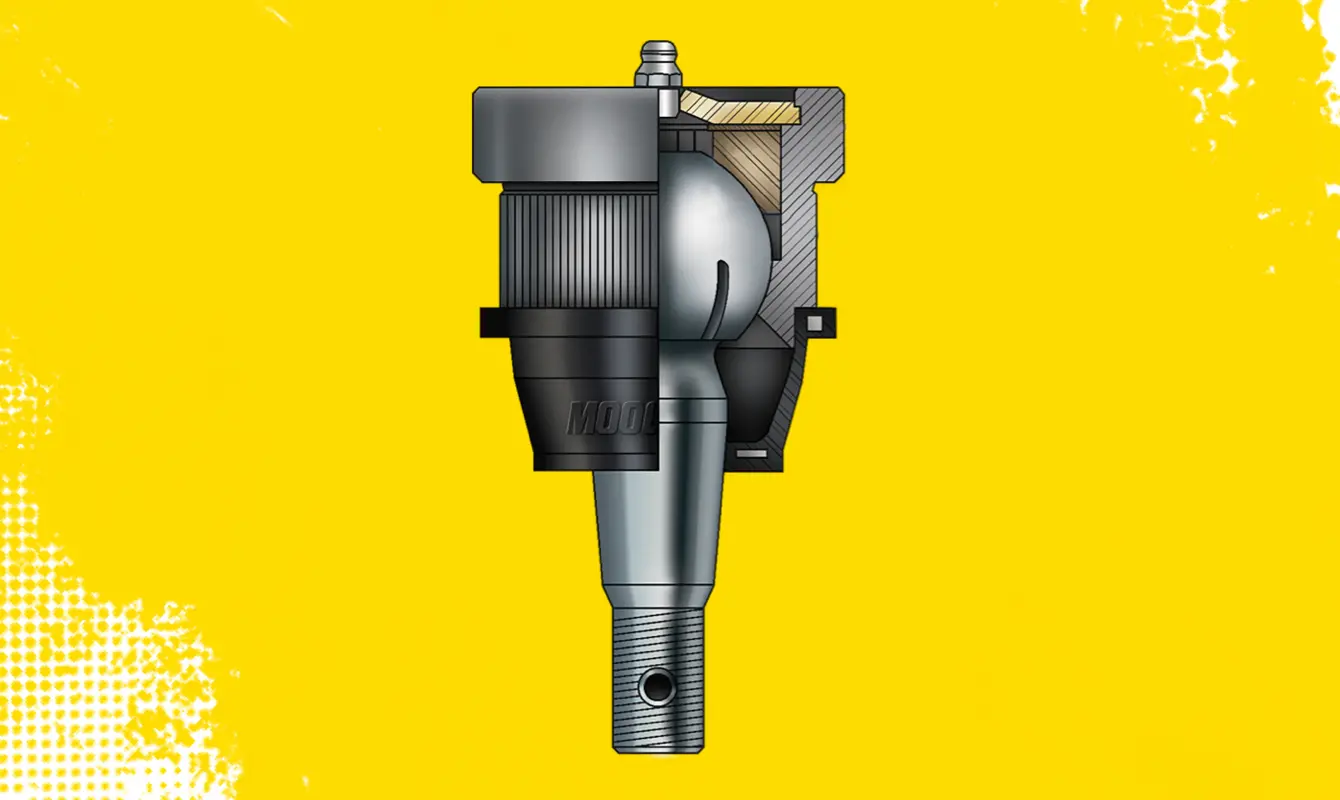
Forged steel is the gold standard for ball joint housings because forging aligns the grain structure, enhancing strength and fatigue resistance. Stamped steel is cheaper but less durable, suited for lower-load applications. Cast iron offers good wear resistance but is heavier and more brittle. When evaluating a manufacturer, ask which process they use for different product lines and why.
Stud Materials
The ball stud must withstand high shear and tensile loads. Alloy steels like 4140 or 4340 are common, but heat treatment unlocks their potential. Carburizing adds a hard, wear-resistant case while maintaining a tough core. Induction hardening is used for localized hardening of the ball surface. A manufacturer that specifies exact steel grades and heat treatment parameters demonstrates engineering rigor.
Bearing Materials
The bearing surface between the ball and socket can be polymer or metal. Polymer bearings (e.g., PTFE or acetal) offer low friction, self-lubrication, and corrosion resistance, but they have lower load capacity and can degrade at high temperatures. Metal bearings (e.g., sintered bronze or hardened steel) handle higher loads but require lubrication and are more susceptible to contamination. The choice depends on the application—OEMs may prefer metal for heavy-duty trucks, while polymer suits passenger cars.
Seals and Boots
The boot protects the joint from water, dirt, and debris. A high-quality boot is made from a durable elastomer like polyurethane or chloroprene, with a tight seal at both ends. Poor boot material can crack or tear, allowing contamination that leads to rapid wear. Ask about boot material and testing for environmental resistance.
Manufacturing Processes: Forging, Machining, and Heat Treatment
The manufacturing process transforms raw materials into a precision component. Understanding these processes helps you assess a facility's capability and consistency.
Forging vs. Casting
Forging is preferred for ball joint housings and studs because it produces a denser, stronger part with better fatigue life. Casting can introduce porosity and internal defects that compromise strength. A manufacturer that invests in forging presses and maintains strict process control is more likely to deliver reliable parts.
CNC Machining Tolerances
Ball joints require tight tolerances—often within a few hundredths of a millimeter—to ensure proper fit and function. CNC machining centers with high precision and repeatability are essential. Ask about their machining capabilities, tolerance specifications, and how they verify dimensional accuracy.
Heat Treatment Processes
Carburizing and induction hardening are critical for wear resistance. The manufacturer should have in-house heat treatment or a trusted partner, with documented process parameters and hardness testing. Inconsistent heat treatment can lead to soft spots or brittleness, causing premature failure.
Surface Finishing and Coating
Corrosion resistance is vital for longevity, especially in regions with road salt. Common coatings include zinc plating, phosphate, and e-coating. A manufacturer that applies a consistent, high-quality coating extends the life of the ball joint. Ask about coating thickness and salt spray test results.
Quality Control and Testing: Ensuring Consistency and Safety
Quality control is where reliable manufacturers separate themselves. A robust QC system ensures every part meets specifications, not just a sample.
Incoming Material Inspection
The manufacturer should verify the chemical composition and mechanical properties of incoming steel. This requires spectrometers and tensile testers. Traceability—from the steel mill to the finished part—is essential for accountability.
In-Process Inspection
Dimensional checks using calipers, micrometers, and CMMs (coordinate measuring machines) ensure parts stay within tolerance. Hardness testing (e.g., Rockwell or Vickers) verifies heat treatment consistency. A manufacturer that performs these checks at each stage reduces the risk of defects.
Final Testing
Ball joints should undergo functional tests: torque tests to ensure proper rotational resistance, fatigue tests to simulate millions of cycles, and salt spray tests to assess corrosion resistance. These tests validate the design and manufacturing process. Ask for test reports and whether they perform 100% inspection or statistical sampling.
Certifications
Look for IATF 16949 (automotive quality management) and ISO 9001. These certifications indicate a commitment to quality systems. However, certifications are not enough—ask for specific test data and audit results.
Customization and Engineering Support: Meeting OEM and Aftermarket Needs
A manufacturer's ability to customize and provide engineering support is a key differentiator, especially for OEMs with unique requirements.
Custom Design Capabilities
Can the manufacturer design a ball joint from scratch based on your specifications? This includes custom dimensions, materials, and finishes. A manufacturer with in-house engineering and R&D can develop a part that meets your exact performance targets.
Engineering Support
Look for services like Design for Manufacturing (DFM) analysis, Finite Element Analysis (FEA), and prototyping. These tools help optimize the design for manufacturability and performance. A manufacturer that offers these services can reduce your development time and cost.
OEM vs. Aftermarket
OEMs require strict adherence to specifications, PPAP (Production Part Approval Process), and often JIT delivery. Aftermarket buyers may prioritize cost and availability. A manufacturer that can handle both demonstrates flexibility. For example, our company offers custom control arms for Hyundai and KIA models, with OEM numbers like 54500-S1AA0, and can develop tailored solutions for new platforms.
Case Example
Suppose you need a ball joint for a new SUV platform. A capable manufacturer will work with you to define load requirements, environmental conditions, and packaging constraints. They will use FEA to simulate stresses, produce prototypes, and validate through testing. This collaborative approach ensures the final product meets your needs.
Supply Chain and Logistics: Ensuring Timely Delivery and Global Reach
For global buyers, logistics can make or break a partnership. A manufacturer's production capacity and supply chain management affect lead times and reliability.
Production Capacity and Lead Times
Ask about monthly output and lead times for standard and custom orders. A manufacturer with flexible capacity can accommodate your demand fluctuations. Be wary of long lead times that could disrupt your production.
Inventory Management and JIT
Some manufacturers offer just-in-time delivery to reduce your inventory costs. This requires robust planning and communication. Ask about their inventory management systems and whether they can support JIT.
Export Experience and Documentation
If you're importing, the manufacturer should have experience with export documentation, customs clearance, and international shipping. Ask about their export markets and any logistics partners they use.
Communication and Responsiveness
A responsive manufacturer is easier to work with. Evaluate their communication channels, response times, and willingness to provide updates. A dedicated account manager can make a big difference.
Common Failure Modes and How Manufacturing Quality Affects Them
Understanding failure modes helps you connect manufacturing defects to real-world consequences. Here are the most common failure modes and how quality manufacturing prevents them.
Wear and Tear
The ball and socket wear over time, leading to play and noise. High-quality materials and heat treatment reduce wear rates. A manufacturer that uses hardened steel and proper lubrication extends the joint's life.
Stud Breakage
A broken stud is catastrophic, causing loss of control. Forging and heat treatment prevent this by ensuring the stud has high tensile strength and toughness. Poor manufacturing can introduce stress risers or soft spots that lead to failure.
Boot Failure
A torn boot allows water and dirt to enter, causing rapid wear. Quality boots are made from durable elastomers and are properly sealed. A manufacturer that tests boots for tear resistance and environmental exposure reduces this risk.
Corrosion
Rust can weaken the housing and stud, leading to failure. Surface treatments like zinc plating or e-coating protect against corrosion. A manufacturer that applies consistent coating thickness and passes salt spray tests ensures longevity in harsh environments.
Your Next Steps: A Checklist for Evaluating Ball Joint Manufacturers
Use this checklist when assessing potential suppliers:
- Request material certifications and process documentation. Ask for material test reports, heat treatment records, and coating specifications.
- Ask about testing procedures and certifications. Inquire about in-house testing capabilities, test reports, and quality certifications like IATF 16949.
- Evaluate engineering support and customization capabilities. Determine if they offer DFM, FEA, and prototyping. Ask for examples of custom projects.
- Assess logistics and communication responsiveness. Evaluate their lead times, inventory management, and communication channels.
- Consider a trial order. Place a small order to verify quality, delivery, and communication before committing to a long-term contract.
By following this framework, you can select a ball joint manufacturer that delivers reliable, safe, and cost-effective components. For more information about our manufacturing capabilities, visit our manufacturing facility or explore our range of automotive suspension components.
FAQs About Ball Joint Manufacturing
Q: What is the most important factor in ball joint quality?
A: Material selection and heat treatment are critical, but consistent quality control is what ensures every part meets specifications.
Q: How can I verify a manufacturer's quality claims?
A: Ask for material certifications, test reports, and quality certifications. Consider a third-party audit or a trial order.
Q: What are the benefits of forging over casting?
A: Forging produces a denser, stronger part with better fatigue resistance, making it ideal for safety-critical components like ball joints.
Q: Can a manufacturer customize a ball joint for my application?
A: Yes, many manufacturers offer custom design and engineering support. Look for capabilities like DFM, FEA, and prototyping.
Q: How do I ensure timely delivery from an overseas manufacturer?
A: Evaluate their production capacity, lead times, and export experience. Establish clear communication and consider using a logistics partner.