Control Arm Manufacturing: An Engineer's Guide to Materials, Processes, and Supplier Selection
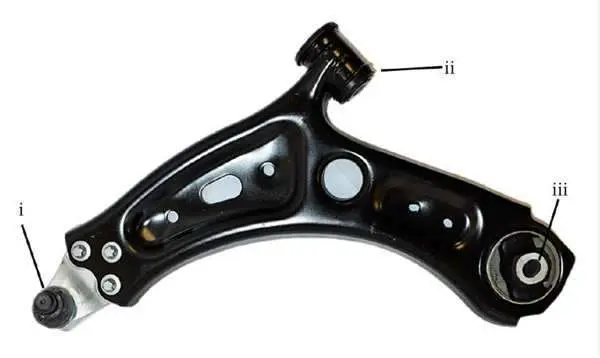
Choosing a control arm manufacturer requires evaluating their materials, manufacturing processes, and quality controls—not just comparing prices. Control arms are safety-critical suspension components; their manufacturing quality directly affects vehicle handling, tire wear, and passenger safety. A low-cost arm may look identical to an OEM part but can hide weaknesses from inferior materials, poor casting, inadequate heat treatment, or substandard welding. This guide provides the technical knowledge to evaluate suppliers and avoid costly failures.
Material Selection: Steel, Aluminum, and Composites
The material choice affects performance, weight, cost, and manufacturing process. The three primary materials are steel, aluminum, and composites.
Steel is the most common due to its high strength, low cost, and durability. Steel arms are typically stamped or forged. Stamped steel is cost-effective for high-volume production; forged steel offers superior strength for heavy-duty applications. Steel's main drawback is weight, which increases unsprung mass and can affect ride quality and fuel efficiency.
Aluminum is popular for its lightweight and corrosion resistance. Aluminum arms are cast or forged. Cast aluminum allows complex shapes at moderate cost, but quality depends on process control to avoid porosity. Forged aluminum provides higher strength at a higher price. Aluminum's weight savings improve handling and fuel economy, making it common in modern vehicles.
Composites (carbon fiber or fiberglass reinforced polymers) are very light and can be tailored for specific stiffness, but they are expensive and less common. They are used in high-performance or lightweight applications where cost is secondary. When considering composites, note that they require specialized manufacturing processes and are not suitable for all applications. For example, carbon fiber arms may not be repairable after impact, and their failure modes differ from metal.
When evaluating a manufacturer, ask which material they use and why. A supplier offering both steel and aluminum options provides flexibility, but ensure they have the appropriate process expertise for each material.
Manufacturing Processes: Forging, Casting, Stamping, and Welding
The core manufacturing methods are forging, casting, stamping, and welding. Each has distinct characteristics affecting strength, weight, and cost.
Forging shapes metal under high pressure, aligning grain structure to produce the strongest, most durable arms. Forged arms are ideal for high-stress applications like heavy trucks or performance vehicles. However, forging is expensive due to tooling and energy costs, and it limits design complexity.
Casting allows complex shapes at lower cost than forging. Molten metal is poured into a mold, enabling intricate geometries. The main risk is internal porosity—tiny air pockets that weaken the part. Quality depends on process control, including proper gating, venting, and cooling. Cast arms are common in mass-market vehicles.
Stamping cuts and forms sheet metal using dies. It is cost-effective for high volumes but limited to simpler shapes. Stamped steel arms are often used in lower-stress applications. The process produces consistent parts quickly, but strength is lower than forged or cast components.
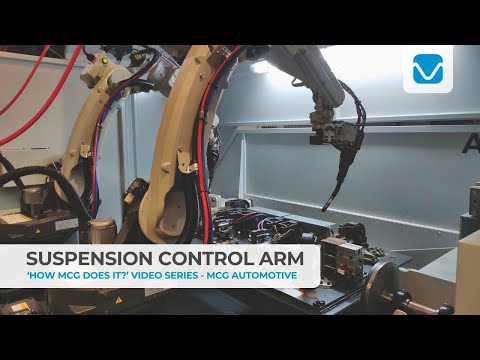
Welding joins components, such as attaching ball joint brackets or bushing housings. Weld quality is critical for structural integrity; poor welds can crack under fatigue. Look for manufacturers using robotic welding with strict quality control, including visual inspection and non-destructive testing.
A manufacturer offering multiple processes can match the right method to the application, but verify their capability and quality control for each.
Step-by-Step Manufacturing: From Raw Material to Finished Part
Understanding the manufacturing flow helps you identify where defects can occur. Each stage includes quality control checkpoints.
- Material inspection: Incoming raw material (steel or aluminum) is verified against specifications, including chemical composition and mechanical properties.
- Cutting/forming: Material is cut to size and shaped. For stamping, this involves blanking and forming; for forging, the billet is heated and pressed; for casting, the mold is prepared and molten metal is poured.
- Machining: Critical surfaces, such as ball joint bores and bushing seats, are machined to precise tolerances using CNC machining.
- Welding: If required, components are welded together. This step is critical for structural integrity.
- Heat treatment: Some steel arms are heat-treated to improve strength and hardness. This must be carefully controlled to avoid brittleness.
- Surface treatment: Coating (e.g., e-coating, powder coating) protects against corrosion.
- Assembly: Bushings and ball joints are pressed in. Proper installation is essential to prevent premature wear.
- Final inspection: The finished part is inspected for dimensions, surface quality, and function.
Automation and precision machinery are essential for consistency. A manufacturer using automated lines and in-process inspection is more likely to produce reliable parts. Traceability through batch numbers and documentation allows defects to be traced to their source.
Quality Control and Testing Standards: What to Look For
Quality control is paramount. Look for manufacturers adhering to industry standards and conducting rigorous testing.
IATF 16949 is a key quality management certification for automotive suppliers. It ensures robust processes for quality planning, production, and continuous improvement. ISO 9001 is a broader quality standard but not specific to automotive.
Dimensional inspection ensures parts meet specifications, including critical dimensions like ball joint bore diameter and bushing alignment. CMM (coordinate measuring machine) inspection provides high accuracy.
Fatigue testing simulates real-world conditions to ensure durability. Control arms are subjected to cyclic loading to verify they can withstand millions of cycles without failure—crucial for safety-critical components.
Material certifications and traceability are crucial. The manufacturer should provide certificates of conformance for raw materials, verifying composition and properties.
Ask for test reports and quality records. A reputable manufacturer will be transparent about their quality processes.
OEM vs. Aftermarket Manufacturing: Key Differences
OEM parts are made to exact vehicle specifications, often with higher quality control and traceability. They are designed to meet the vehicle manufacturer's requirements and are typically tested extensively. However, OEM parts are often more expensive due to brand premiums and supply chain costs.
Aftermarket parts vary widely in quality. Some aftermarket manufacturers produce parts that match or exceed OEM quality, using better materials or improved designs (e.g., polyurethane bushings for better performance). Others may cut corners to reduce costs, using inferior materials or less rigorous quality control.
Price differences reflect manufacturing standards and materials. A cheap aftermarket arm may be made from lower-grade steel or have poor welds, leading to premature failure. Conversely, a premium aftermarket arm may offer enhanced durability or performance.
When choosing between OEM and aftermarket, consider the manufacturer's reputation, certifications, and warranty. If you're a wholesale buyer, evaluate the supplier's track record and request samples for testing.
How to Choose a Control Arm Manufacturer: A Decision Framework
Selecting a manufacturer requires systematic evaluation. Here's a step-by-step framework based on the technical knowledge above.
- Evaluate certifications: Check for IATF 16949 and ISO 9001. These indicate a commitment to quality management.
- Assess manufacturing capabilities: Determine whether they use forging, casting, stamping, or a combination. In-house manufacturing allows better control than outsourcing. Ask about their equipment and technology.
- Review experience: Look for experience in the automotive industry and with specific vehicle applications. A manufacturer that has supplied OEM or tier-1 suppliers is more likely to meet high standards.
- Request samples: Inspect samples for weld quality, surface finish, and bushing installation. Look for signs of poor workmanship, such as rough welds or misaligned bushings.
- Consider cost: While price is important, weigh it against quality and warranty. A slightly higher upfront cost may save money in the long run by avoiding failures.
When evaluating suppliers, ask specific questions about their process controls and quality metrics. For example, inquire about their scrap rate, first-pass yield, and how they handle non-conforming parts. Red flags include vague answers, lack of documentation, or reluctance to share test data.
Conclusion
Understanding control arm manufacturing is essential for making informed purchasing decisions. From material selection to manufacturing processes and quality control, each aspect affects the performance and reliability of the final product. By applying the knowledge in this guide, you can evaluate manufacturers with confidence and choose a supplier that delivers safe, durable control arms. Start by assessing certifications, manufacturing capabilities, and experience, and request samples to verify quality firsthand.