Control Arm Manufacturing: Forged vs Stamped – What's the Difference?
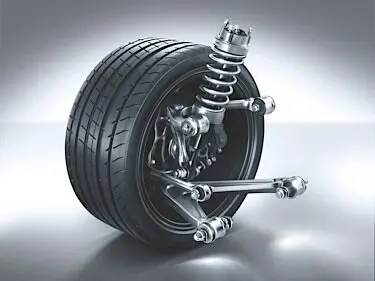
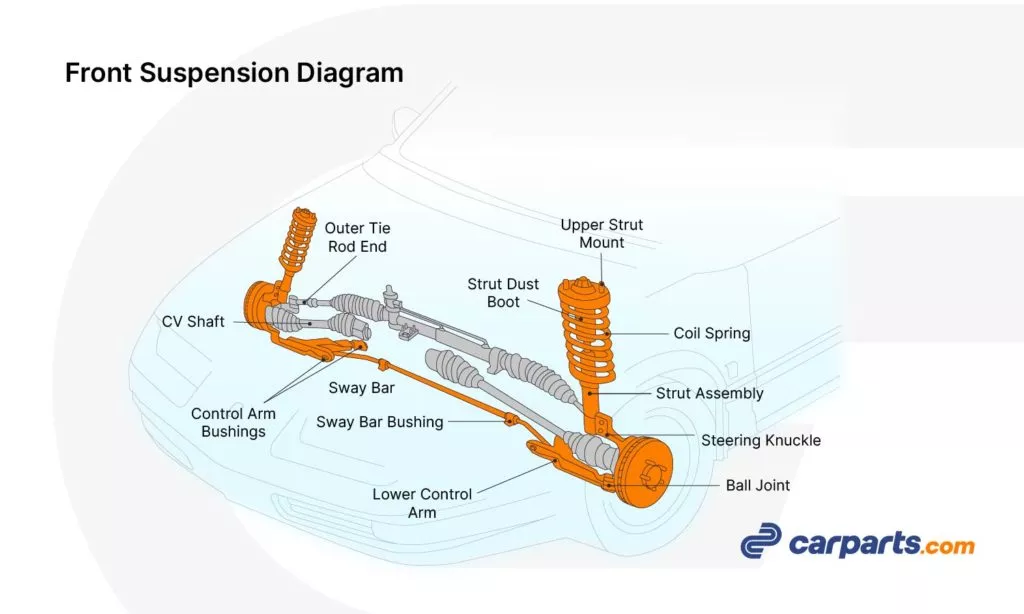
Control arms are critical suspension components that connect the wheel hub to the vehicle's frame. They allow controlled vertical movement while maintaining proper wheel alignment. The manufacturing process significantly affects performance and durability.
Forged control arms are formed by heating a solid billet of steel or aluminum and shaping it under immense pressure. This process aligns the metal's grain structure, resulting in a denser, stronger component. Forged arms can handle higher stress loads and resist fatigue better than stamped versions. They are commonly used in heavy-duty trucks, off-road vehicles, and performance cars.
Stamped control arms are produced by pressing sheet metal into the desired shape using large dies. This method is faster and less expensive, making it ideal for mass production. However, the resulting part is lighter but more prone to bending and fatigue under extreme loads. Stamped arms are typically found in economy cars and light-duty applications.
The choice between forged and stamped affects weight, strength, cost, and ride quality. Forged arms are heavier but offer superior durability; stamped arms are lighter and cheaper but may not withstand harsh conditions. For wholesale buyers, understanding these differences is crucial when selecting suppliers.
Quality Indicators: How to Evaluate a Control Arm Manufacturer
When assessing a control arm manufacturer, look for these concrete indicators:
- Materials: High-grade steel or aluminum alloys with material certifications (e.g., ISO 9001). A manufacturer that specifies the exact alloy and heat treatment demonstrates transparency.
- Tolerances: Precision in ball joint and bushing bores is critical. Poor tolerances lead to premature wear and improper fitment. Ask for dimensional inspection reports.
- Testing: Reputable manufacturers conduct fatigue testing, salt spray testing, and dimensional verification. These tests ensure the part can withstand real-world conditions.
- Certifications: Look for IATF 16949 (automotive quality management) or equivalent. This indicates a commitment to quality control.
- OEM Fitment Data: A manufacturer that provides detailed fitment data for specific vehicle models shows they've done their homework.
At our manufacturing facility, we adhere to these standards, ensuring every control arm meets or exceeds OEM specifications.
OEM vs Aftermarket Control Arms: Cost, Fitment, and Durability
OEM (Original Equipment Manufacturer) control arms are made to exact factory specifications. They guarantee perfect fitment and predictable performance but often come with a premium price tag. For example, an OEM control arm for a Hyundai KIA might cost $200 to $500, depending on the model.
Aftermarket options range from budget to premium. Budget arms may use stamped steel and lower-quality bushings, while premium aftermarket arms can feature forged construction and polyurethane bushings. Aftermarket arms can offer upgrades like adjustable alignment, but fitment may vary slightly. Always verify compatibility with your vehicle's year, make, and model.
Durability depends more on manufacturing quality than on OEM vs aftermarket status. A well-made aftermarket arm can outlast a poorly made OEM part, and vice versa. For wholesale buyers, aftermarket arms from reputable manufacturers offer cost savings without sacrificing quality.
Spotting Counterfeit Control Arms and Verifying Authenticity
Counterfeit control arms are a growing concern. They often use inferior materials and lack proper heat treatment, leading to premature failure and safety risks. Here's how to spot them:
- Check branding: Genuine parts have consistent logos, part numbers, and packaging. Look for holograms or QR codes if the manufacturer uses them.
- Inspect finish: Counterfeits often have rough edges, poor paint, or inconsistent welds.
- Purchase from authorized distributors: Buying from the manufacturer's official website or authorized dealers reduces risk.
- Use verification tools: Many brands, like Moog, offer online lookup tools to verify authenticity.
For example, Moog's official website allows you to enter the part number to confirm it's genuine. If a deal seems too good to be true, it probably is.
Warranty Comparison Across Leading Control Arm Brands
Warranty terms vary significantly among manufacturers. Here's a quick comparison:
- Moog: Offers a limited lifetime warranty on many control arms, covering defects in materials and workmanship.
- Mevotech: Provides a limited lifetime warranty on their premium line, with a 5-year warranty on others.
- TRW: Typically offers 1-3 year warranties, depending on the product line.
- Dorman: Usually provides a 1-year warranty, though some products have longer coverage.
Warranty coverage often includes parts only, not labor, and requires proof of purchase. Always read the fine print.
Installation Tips: Torque Specs and Common Mistakes for DIYers
Proper installation is crucial for safety and performance. Here are key tips:
- Use a torque wrench: Always tighten control arm bolts to manufacturer specifications. Over-tightening can damage bushings, while under-tightening can lead to loosening.
- Support the suspension: Never let the suspension hang freely; use jack stands to support the control arm at ride height.
- Torque at ride height: Most control arm bolts should be torqued with the suspension loaded (vehicle on the ground) to avoid preloading bushings.
- Replace torque-to-yield bolts: If the manufacturer specifies torque-to-yield bolts, replace them with new ones.
- Align after installation: A wheel alignment is necessary after replacing control arms to ensure proper tire wear and handling.
Common mistakes include using the wrong torque, failing to support the suspension, and skipping the alignment. Avoid these to ensure a safe installation.
Cost Analysis: Parts, Labor, and Long-Term Value
Control arm replacement costs vary widely:
- Parts: Aftermarket control arms range from $50 to $300+ per arm. OEM parts can cost $200 to $500+.
- Labor: Shop labor typically runs $150 to $400 per side, depending on vehicle complexity.
- Alignment: Expect to pay $50 to $100 for a wheel alignment after replacement.
Investing in higher-quality control arms can save money in the long run by reducing premature wear and alignment issues. A cheap stamped arm may fail in 30,000 miles, while a quality forged arm can last 100,000+ miles.
Expert Recommendations: Choosing the Right Control Arm for Your Vehicle
- For heavy-duty use or off-road: Forged control arms are recommended for their strength and durability.
- For daily drivers: Stamped OEM-quality control arms are sufficient and more cost-effective.
- For performance enthusiasts: Consider aftermarket options with upgraded bushings for improved handling.
- Always verify fitment: Check your vehicle's year, make, and model against the manufacturer's fitment data.
For example, our control arms are designed for Hyundai KIA models, with OEM part numbers like 54500-S1AA0, ensuring a perfect fit.
Frequently Asked Questions
Q: How long do control arms last?
A: Typically 60,000 to 100,000 miles, but this varies with driving conditions and quality.
Q: Can I replace just the bushings?
A: Yes, if the control arm itself is in good condition. Many manufacturers sell bushings separately, like our Rear Trailing Arm Bushing.
Q: What are signs of a failing control arm?
A: Clunking noises, uneven tire wear, and poor steering response.
Q: Are aftermarket control arms as good as OEM?
A: Quality varies. Reputable aftermarket brands can match or exceed OEM quality.
Conclusion: Making an Informed Purchase
Choosing the right control arm manufacturer involves understanding manufacturing processes, quality indicators, and warranty terms. Whether you're a wholesale buyer or a DIYer, prioritize quality and fitment over price. By following this guide, you can make an informed decision that ensures safety and longevity.
For more information on our products and manufacturing standards, visit our about our company page or explore our automotive suspension components.