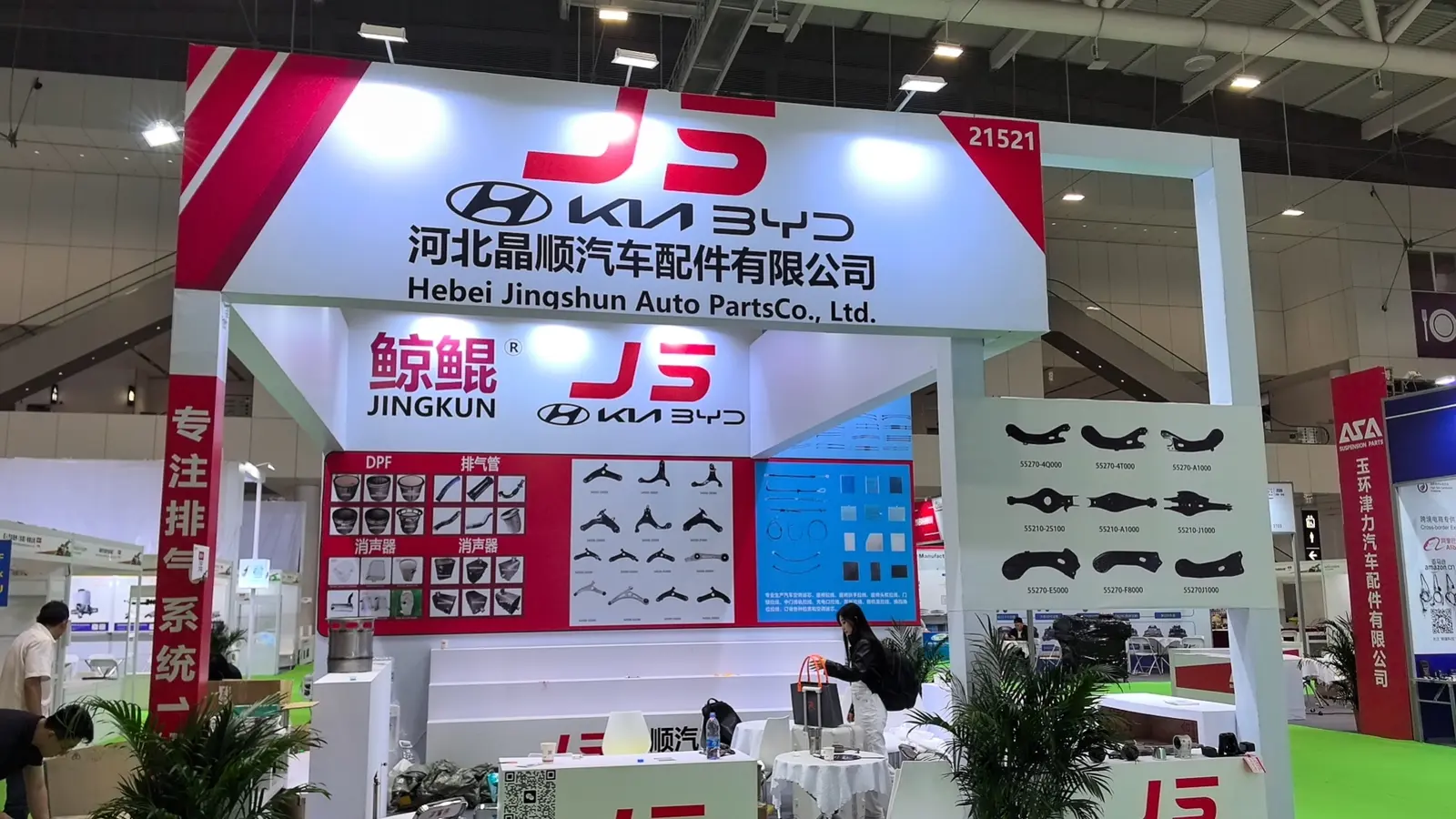
Are Aftermarket Control Arms Worth It? A Manufacturer's Cost-Benefit Analysis
Aftermarket control arms are worth it for specific use cases: performance upgrades, adjustability, or cost savings on certain vehicles. For most daily drivers, OEM or OEM-quality replacements are safer and more cost-effective due to fitment, warranty, and reliability. The decision hinges on your vehicle's use, your budget, and your willingness to accept trade-offs.
The Short Answer: When Aftermarket Control Arms Make Sense (and When They Don't)
If you're tracking your car, towing heavy loads, or off-roading, aftermarket control arms with upgraded bushings or adjustability can be a worthwhile investment. If you're replacing worn arms on a daily commuter, stick with OEM or a reputable OEM-equivalent brand. The key is matching the part to the application—not just the price tag.
OEM vs. Aftermarket Control Arms: What's the Real Difference?
OEM control arms are designed to meet strict tolerances and durability standards for the specific vehicle, ensuring perfect fitment and long service life. Aftermarket control arms vary widely: some are OEM-equivalent (same quality, lower price), others are performance-oriented with adjustable features or upgraded bushings. Warranty coverage differs: OEM parts typically come with a manufacturer warranty, while aftermarket warranties vary by brand and may affect the vehicle's original warranty. Fitment is critical: cheap aftermarket arms may have alignment issues or premature wear due to subpar materials or manufacturing tolerances.
Cost-Benefit Analysis: Upfront Price vs. Long-Term Value
Aftermarket control arms can be 20-50% cheaper than OEM, but labor costs are similar, so savings are limited unless you DIY. OEM parts often last longer, reducing future replacement costs and downtime. Performance aftermarket arms may require additional modifications (e.g., alignment adjustments, upgraded bushings) that add to the total cost. For daily drivers, the lower upfront cost of aftermarket may be offset by shorter lifespan or fitment issues that lead to premature wear.
When Aftermarket Control Arms Are a Smart Investment
Performance upgrades: adjustable camber/caster arms for lowered vehicles or track use, allowing precise alignment. Cost savings on certain vehicles: for older or high-mileage cars, budget aftermarket arms may be a practical choice if OEM parts are expensive or discontinued. Upgraded bushings: polyurethane or spherical bearings improve handling and durability for off-road or racing applications. Availability: aftermarket arms may be the only option for modified vehicles or rare models.
When Aftermarket Control Arms Are Not Worth It
Daily drivers: OEM or OEM-quality replacements offer the best reliability and fitment for normal driving conditions. Warranty concerns: aftermarket parts can void the vehicle's warranty if they cause damage; check your warranty terms. Fitment issues: cheap aftermarket arms may have incorrect geometry, leading to alignment problems, uneven tire wear, and poor handling. Resale value: some buyers may be wary of aftermarket suspension parts, potentially reducing resale value.
Installation: DIY vs. Professional – What You Need to Know
Control arm replacement requires specialized tools (ball joint press, torque wrench) and knowledge of suspension geometry. DIY installation can save $150-$300 in labor, but mistakes can lead to alignment issues or safety hazards. Professional installation ensures proper torque specs and alignment, which is critical for tire wear and handling. Aftermarket arms with adjustable features may require more expertise to set up correctly.
Warranty and Resale Value: Hidden Factors to Consider
Aftermarket parts can void the vehicle's warranty if they cause damage; Magnuson-Moss Act protects consumers but requires proof. Some aftermarket brands offer their own warranty, but coverage varies and may not match OEM. Resale value: a well-maintained vehicle with OEM parts is often more attractive to buyers; aftermarket suspension parts may raise concerns about abuse. Documentation and quality of aftermarket parts can mitigate resale concerns.
How to Choose the Right Control Arms: A Decision Framework
Assess your vehicle's use: daily driver, performance, off-road, or track. Determine your budget: include parts, labor, and potential additional modifications. Check warranty implications: review your vehicle's warranty and aftermarket brand warranties. Research brands: look for OEM-quality aftermarket options with good reviews and warranties. Consult a professional: get advice from a mechanic or suspension specialist if unsure.
FAQ
Will aftermarket control arms void my car's warranty?
Potentially, if they cause damage. The Magnuson-Moss Act requires the manufacturer to prove the aftermarket part caused the failure, but it's safer to check your warranty terms before installing.
How much do aftermarket control arms cost vs. OEM?
Aftermarket arms typically cost 20-50% less than OEM, but labor costs are similar. For a typical sedan, OEM arms might run $200-$400 each, while aftermarket can be $100-$250.
Can I install control arms myself?
Yes, if you have the right tools and mechanical experience. You'll need a ball joint press, torque wrench, and jack stands. Professional installation costs $150-$300 per side.
How long do aftermarket control arms last?
Quality aftermarket arms with good bushings can last as long as OEM, but cheap ones may wear out faster. Look for brands with warranties and positive reviews.
Are adjustable control arms worth it?
Only if you need alignment adjustments for lowered suspension or track use. For stock vehicles, they're unnecessary and add cost.