How Advanced Suspension Systems Improve Vehicle Handling and Comfort
Advanced suspension systems improve vehicle handling and comfort simultaneously by continuously adapting damping forces to driving conditions. Unlike conventional setups that force a compromise between a firm ride for cornering and a soft ride for comfort, active and adaptive suspensions use sensors, actuators, and control algorithms to deliver the best of both worlds. This guide explains the technology, its real-world benefits, cost considerations, maintenance needs, and future trends.
The Real-World Benefits of Advanced Suspension: Handling and Comfort Explained
Advanced suspension systems deliver tangible improvements in both handling and comfort, eliminating the traditional trade-off. Handling benefits include reduced body roll, sharper steering response, and better tire contact patch management. Comfort benefits include reduced impact harshness, superior isolation from road imperfections, and controlled body motions over undulations. The key advantage is that these systems can offer both, but they come with added complexity and cost.
Handling improvements: By adjusting damping in real time, active systems minimize body roll during cornering, keeping the tires more evenly loaded. This translates to higher cornering speeds and more predictable steering. For example, a vehicle with active anti-roll bars can maintain flatter cornering without sacrificing ride quality on straight roads.
Comfort improvements: Advanced systems absorb impacts from potholes and bumps more effectively by softening damping when needed. They also control body motions such as pitch and heave, reducing the "wallowing" sensation on undulating roads. The result is a smoother, more composed ride that reduces driver fatigue.
The trade-off: traditional suspensions force a choice between handling and comfort. Advanced systems can offer both, but with added complexity and cost. Buyers must weigh these benefits against the higher initial price and potential maintenance expenses.
How Active and Adaptive Suspension Systems Work: Sensors, Actuators, and Control Algorithms
Active and adaptive suspension systems rely on three core components: sensors, actuators, and control algorithms. Sensors monitor driving conditions; actuators adjust damping force; and algorithms process data to determine the optimal response. The difference between adaptive and active systems lies in their capability: adaptive systems adjust damping based on conditions, while active systems can also add energy to control body motion.
Sensors: Accelerometers, ride height sensors, steering angle sensors, and wheel speed sensors continuously monitor the vehicle's behavior. For instance, accelerometers detect body acceleration, while ride height sensors measure suspension deflection. Steering angle sensors provide input on driver intent, and wheel speed sensors help detect road surface changes.
Actuators: Electronically controlled dampers, such as magnetorheological (MR) or solenoid-based units, adjust damping force in milliseconds. MR dampers contain fluid with iron particles that change viscosity when exposed to a magnetic field, allowing precise control. Solenoid-based dampers use valves to alter oil flow, providing a range of damping settings.
Control algorithms: Software processes sensor data to determine optimal damping, often using predictive models based on driver input and road profile. For example, if a sensor detects a large bump, the algorithm can preemptively soften the damper to absorb the impact. More advanced systems use machine learning to adapt to driver preferences over time.
Difference between adaptive and active: Adaptive systems adjust damping based on conditions, while active systems can also add energy to control body motion (e.g., active anti-roll bars). Active systems can actively push against body roll, providing even greater stability.
Cost-Benefit Analysis: OEM vs. Aftermarket Advanced Suspension Options
When considering advanced suspension, buyers must weigh the benefits against costs. OEM systems are integrated with vehicle electronics and optimized for the specific model, but they are expensive to replace or repair. Aftermarket options range from simple performance dampers to full active kits, offering customization but potentially requiring additional modifications and imperfect integration.
OEM systems: Factory-installed active suspension can add $2,000-$5,000 to a new vehicle's price. They are designed to work seamlessly with the vehicle's other systems, but replacement parts and repairs are costly. For example, a failed damper on an OEM system might cost $500-$1,000 per corner, plus labor.
Aftermarket options: Aftermarket kits vary widely in price and capability. Basic coilovers start around $1,000, while advanced active systems can exceed $10,000. They offer customization and often better performance for specific use cases, but may require additional modules to interface with the vehicle's electronics. Installation is complex and often requires professional calibration.
Value: Consider the vehicle's purpose. For a daily driver, the comfort benefits might justify the cost, but for a track car, handling is paramount. Advanced systems may not be worth the cost for all drivers, especially if the vehicle is older or not driven in varied conditions.
Aftermarket Upgrade Guide: What to Consider When Upgrading Suspension Components
Upgrading to advanced suspension requires careful planning. Key considerations include vehicle compatibility, component quality, installation complexity, and warranty support. Here's what to evaluate:
Vehicle compatibility: Check if the vehicle's electronic systems can interface with aftermarket active components. Some vehicles require additional modules or software updates to support active dampers. For example, a car with a CAN bus system may need a controller to communicate with the aftermarket dampers.
Quality and reputation: Choose components from reputable manufacturers with proven track records, such as Bilstein, KW, or Ohlins. These brands offer reliable products and technical support. Avoid no-name brands that may lack durability or performance consistency.
Installation complexity: Active systems require professional installation and calibration. Passive upgrades, such as performance springs or sway bars, are simpler and can be DIY-friendly. If you're not experienced, factor in labor costs.
Warranty and support: Consider the warranty and after-sales support offered by the manufacturer. A good warranty can save you money if components fail. Also, check if the manufacturer provides technical documentation and customer service.
Maintenance and Common Issues with Advanced Suspension Systems
Advanced suspension systems have specific maintenance needs and potential issues. Common problems include sensor failures, actuator malfunctions, software glitches, and air suspension leaks. Regular inspections and software updates are essential to keep the system functioning properly.
Common issues: Sensor failures can cause incorrect damping adjustments, leading to a harsh or floaty ride. Actuator malfunctions may result in a stuck damper, affecting handling. Software glitches can cause intermittent errors, and air suspension systems can develop leaks in the air springs or lines.
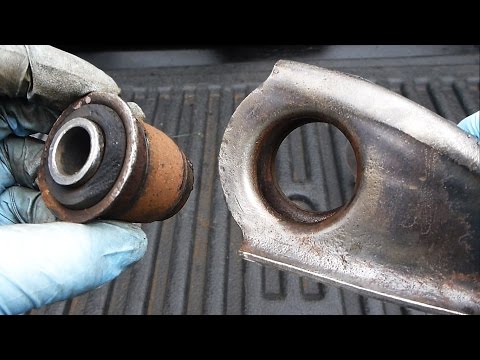
Maintenance requirements: Regular inspections should include checking for worn bushings, leaking dampers, and damaged sensors. Software updates may be needed to fix bugs or improve performance. Some components, like dampers, may need replacement after 50,000-100,000 miles, depending on usage.
Costs: Repairs can be expensive, especially for OEM systems. A replacement damper for an active system can cost $500-$1,500, plus labor. Aftermarket parts may be cheaper but might require more frequent attention. Budget for potential repairs when considering an advanced suspension.
Diagnostic tips: Use an OBD-II scanner to read suspension-related codes. Many systems store fault codes that can be retrieved. Visual inspections can reveal leaks, damaged wiring, or worn bushings. If you're unsure, consult a professional.
Future Trends: AI, Electric Vehicles, and the Evolution of Suspension Technology
The future of suspension technology is exciting, with AI, electrification, and autonomous driving driving innovation. AI and machine learning will enable systems that learn driver preferences and road conditions, optimizing suspension in real time. Electric vehicles, which are heavier due to batteries, will require advanced suspension to manage weight and improve range via active ride height. Integration with autonomous driving will allow suspension systems to communicate with other vehicle systems for enhanced safety and comfort. As technology matures, costs are likely to decrease, making advanced suspension more accessible.
AI and machine learning: Algorithms that learn driver preferences and road conditions will optimize suspension in real time. For example, a system might learn that the driver prefers a sportier feel on weekends and a softer ride during the week, adjusting automatically.
Electric vehicles: EVs are heavier due to batteries, requiring advanced suspension to manage weight and improve range via active ride height. Lowering the vehicle at highway speeds reduces drag, increasing efficiency. Active systems can also compensate for the added weight to maintain handling.
Integration with autonomous driving: Suspension systems will communicate with other vehicle systems for enhanced safety and comfort. For instance, a camera might detect a pothole ahead, and the suspension can preemptively adjust. This integration will be crucial for autonomous vehicles to provide a smooth ride.
Potential for lower costs: As technology matures, advanced suspension may become more affordable and widespread. Economies of scale and improved manufacturing processes will reduce costs, making these systems available in more mainstream vehicles.
Conclusion: Choosing the Right Suspension for Your Needs
Choosing the right suspension depends on your priorities: handling, comfort, cost, and maintenance. Advanced systems offer the best of both worlds but require a higher investment. For most drivers, a well-tuned conventional suspension may suffice, but for those who demand performance and comfort, advanced systems are worth considering. Evaluate your driving needs, budget, and long-term costs before making a decision.
FAQ: Common Questions About Advanced Suspension
What is the difference between active and adaptive suspension? Adaptive suspension adjusts damping based on conditions, while active suspension can also add energy to control body motion, such as using active anti-roll bars.
How much does an advanced suspension system cost? OEM systems can add $2,000-$5,000 to a new vehicle. Aftermarket kits range from $1,000 for basic coilovers to $10,000+ for advanced active systems.
Can I upgrade my existing vehicle to an advanced suspension? Yes, but it requires careful consideration of compatibility, installation complexity, and cost. Professional installation is recommended for active systems.
What maintenance do advanced suspension systems require? Regular inspections, software updates, and potential replacement of components like dampers or sensors. Costs can be higher than conventional systems.
Are advanced suspension systems reliable? They are generally reliable, but like any complex system, they can have issues. Choosing quality components and proper maintenance can minimize problems.
Will advanced suspension become standard in the future? As costs decrease and technology improves, advanced suspension is likely to become more common, especially in electric and autonomous vehicles.