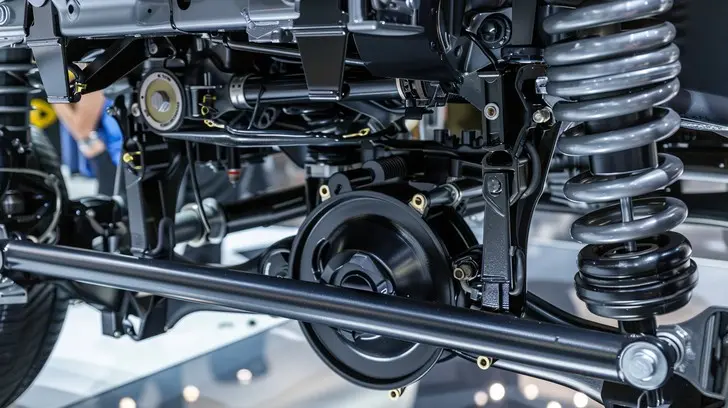
How Advanced Suspension Components Improve Vehicle Stability and Driving Experience

Advanced suspension components—adaptive dampers, air springs, and electronic control systems—directly reduce body roll, pitch, and dive, which translates into measurable improvements in tire contact, stability, and ride comfort. These systems continuously adjust damping forces to absorb road imperfections, reducing driver fatigue and improving control. However, the benefits are not universal; they depend on how well the technology matches your vehicle type and driving conditions. Real-world improvements are tangible: shorter stopping distances, higher cornering speeds, and reduced driver fatigue are documented outcomes of properly specified advanced suspension.
Understanding the Technology Spectrum: Passive vs. Adaptive vs. Active Suspension
Passive suspension has fixed damping characteristics, offering a compromise between comfort and handling. Adaptive suspension (e.g., adaptive dampers) adjusts damping in real-time based on road conditions and driving style, providing a wider range of comfort and stability. Active suspension (e.g., hydraulic or electromagnetic actuators) can add energy to counteract body motion, offering the highest level of control but with higher cost and complexity. The choice involves trade-offs in cost, complexity, maintenance, and performance.
Key Factors in Selecting Advanced Suspension Components: A Decision Framework
Selecting the right components requires a systematic assessment of your vehicle type and intended use—off-road, performance, luxury, or daily commuting. Consider driving conditions: road quality, climate, and typical speeds. Evaluate cost and maintenance: initial investment vs. long-term ownership costs. Ensure compatibility and integration with existing vehicle systems, especially electronic control modules. A practical framework: list your priorities (comfort, handling, cost), then match them to the technology that delivers those priorities without over- or under-specifying.
Cost-Benefit Analysis: Matching Upgrade Levels to Your Budget and Needs
Upgrade levels range from performance shocks to full active systems, each with distinct cost-benefit profiles. Break down costs: parts, labor, and potential additional modifications. Compare benefits: improved comfort, handling, safety, and resale value. Analyze long-term costs: maintenance, repair, and replacement intervals. For example, adaptive dampers may cost more upfront but offer better daily comfort and handling than passive performance shocks. Prioritize upgrades based on budget: if you can only afford one change, focus on components that address your primary pain point—whether that's body roll, harshness, or stability.
Installation and Maintenance: Practical Guidance for Advanced Components
Installation complexity varies: some components are direct replacements, while others require calibration and integration with vehicle electronics. Proper installation is critical—incorrect installation can lead to poor performance or component failure. Maintenance requirements include regular inspections, software updates, and potential replacement intervals. Decide between DIY and professional installation: if the system involves electronic calibration, professional installation is recommended. For DIY, ensure you have the necessary tools and technical documentation.
Manufacturer's Perspective: Engineering and Testing Behind the Technology
From a manufacturer's viewpoint, advanced suspension components undergo rigorous engineering and testing. The process starts with concept and simulation, followed by prototyping and durability testing under extreme conditions. Quality control ensures consistency and reliability. For instance, our automotive suspension components are designed with precision and tested for longevity. Choosing reputable brands with proven engineering is essential—look for manufacturers that invest in R&D and have transparent quality processes.
Making the Right Choice: A Step-by-Step Decision Guide
To make a confident decision, follow these steps: 1) Assess your driving needs and priorities—list what you want to improve. 2) Research component options and compatibility with your vehicle. 3) Set a realistic budget including installation and maintenance. 4) Choose a reputable brand and ensure proper installation. 5) Plan for ongoing maintenance. This systematic approach ensures you select components that deliver the stability and driving experience you seek, without overspending or compromising reliability.
FAQ
What is the difference between adaptive and active suspension?
Adaptive suspension adjusts damping in real-time based on conditions, while active suspension can add energy to counteract body motion, offering higher control but at greater cost and complexity.
How do I know which suspension upgrade is right for my vehicle?
Assess your driving needs, vehicle type, and budget. Use the decision framework: list priorities, research options, set a budget, and choose reputable brands.
Can I install advanced suspension components myself?
Some components are direct replacements, but systems with electronic calibration require professional installation. Always follow manufacturer guidelines.
What maintenance do advanced suspension components require?
Regular inspections, software updates, and potential replacement intervals. Follow the manufacturer's maintenance schedule.
Are advanced suspension components worth the cost?
They offer tangible benefits in comfort, handling, and safety, but the value depends on matching the technology to your specific needs and driving conditions.