When to Replace Control Arms: Symptoms, Inspection, and Cost Guide
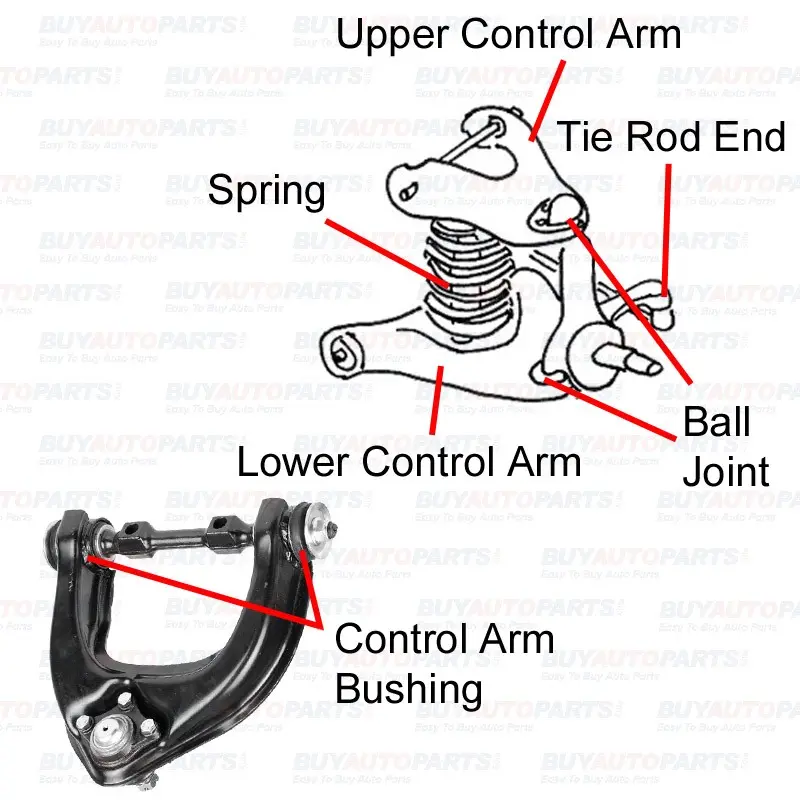
Control arms are critical suspension components that connect your vehicle's frame to the wheels, allowing for controlled up-and-down movement while maintaining proper wheel alignment. When they wear out, your safety and ride quality are compromised. The key is to replace them when symptoms and inspection confirm wear—not based on mileage alone. This guide walks you through the signs, inspection methods, lifespan factors, and cost considerations to help you make an informed decision.
Signs Your Control Arms Are Failing
Clunking or knocking noises over bumps or during turns are the most common early warning. Worn bushings or ball joints allow metal-to-metal contact, producing a distinct thud. If you hear a clunk when driving over potholes or when turning sharply, suspect control arm issues.
Steering wander or loose steering feel occurs when the control arm's ball joint has excessive play, causing the wheel to shift slightly. You may notice the car drifting to one side or needing constant steering corrections, especially at highway speeds.
Uneven tire wear (cupping or scalloping) is a telltale sign. When control arms are worn, the wheel alignment is compromised, causing tires to wear unevenly. Cupping appears as scalloped or dipped patterns on the tread, often on the inner or outer edges.
Vibration or shaking in the steering wheel can also indicate worn control arms, as the suspension fails to absorb road imperfections properly. This is often felt at certain speeds and may worsen over time.
How to Inspect Control Arms: The Pry Bar Test and Visual Check
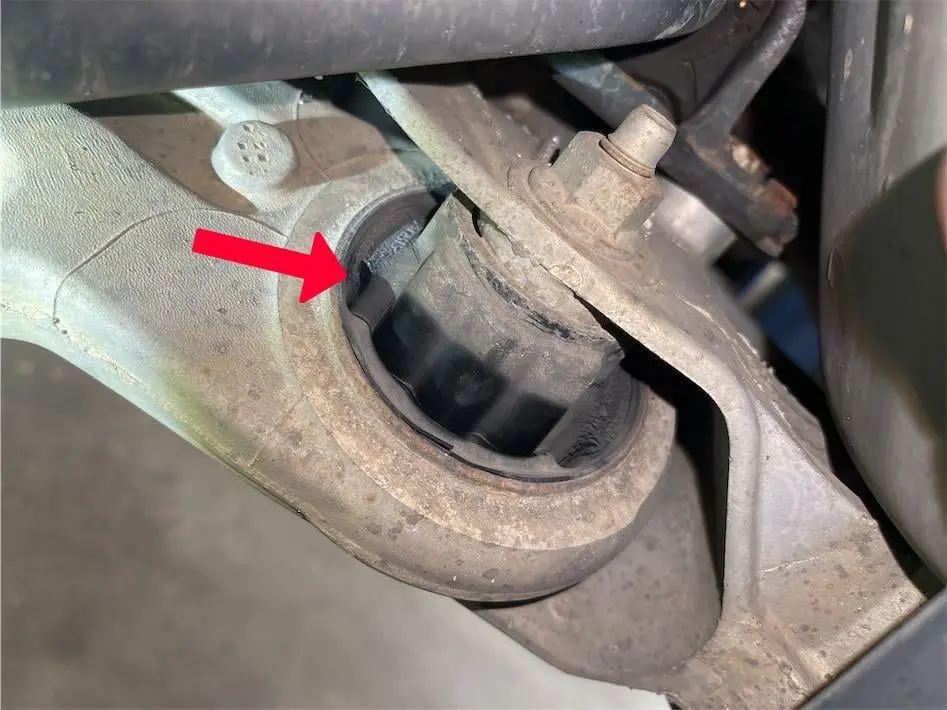
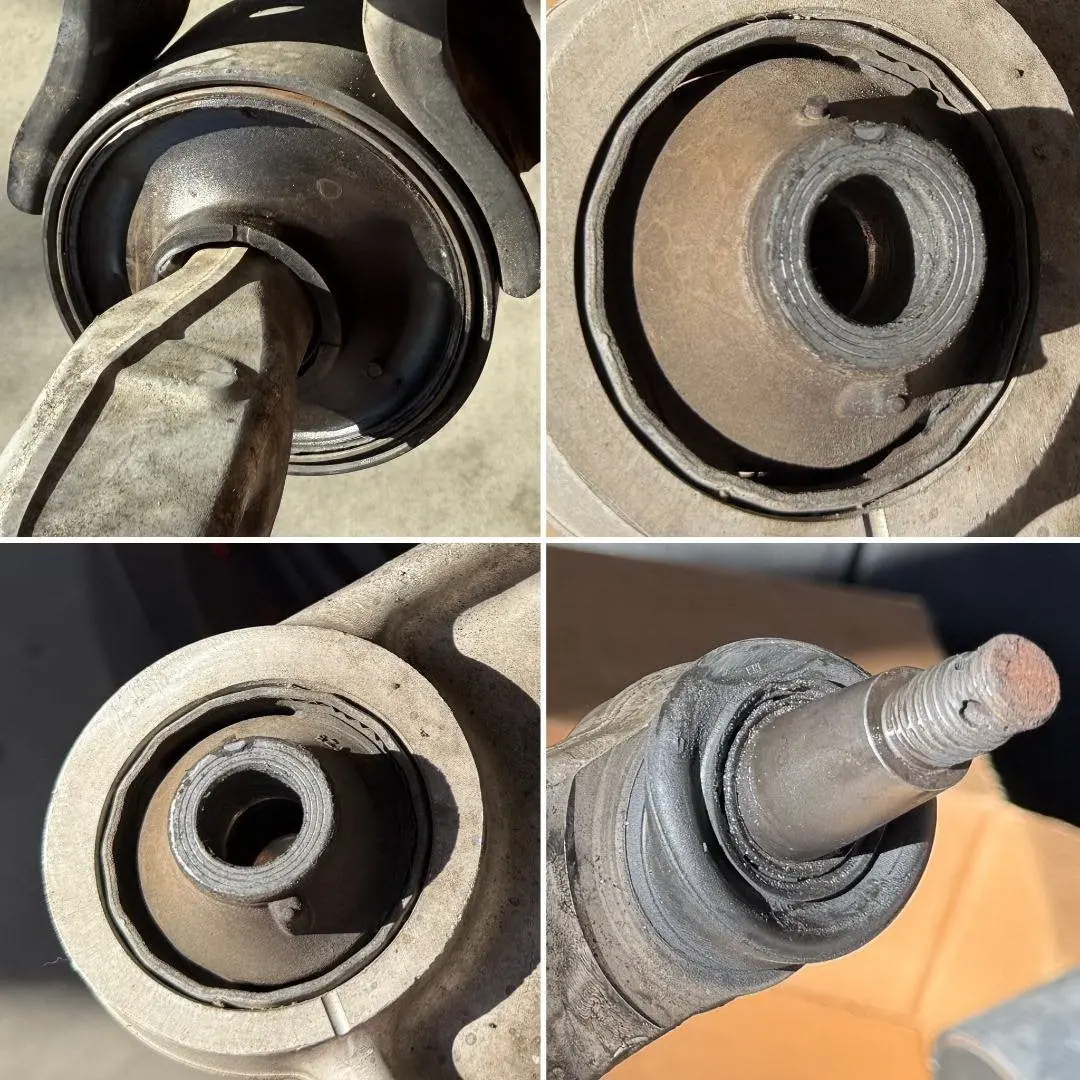
Visual inspection is your first step. Look for cracked, torn, or oil-soaked bushings. Bushings are rubber or polyurethane components that cushion the control arm's pivot points. Cracks, splits, or signs of fluid contamination indicate they need replacement. Also, check the ball joint boot—if it's torn or leaking grease, the joint is likely worn.
The pry bar test is a practical method to check for excessive movement. With the vehicle safely supported and the wheel off the ground, insert a pry bar between the control arm and the frame or subframe. Gently pry to see if there's noticeable play. Excessive movement (more than a few millimeters) indicates worn bushings or ball joints.
Check ball joint play by lifting the wheel and rocking it top to bottom and side to side. If you feel clunking or see movement at the ball joint, it's worn. You can also use a dial indicator for precise measurement, but the pry bar test is usually sufficient for DIY diagnosis.
Inspect for rust or damage to the arm itself. Surface rust is normal, but deep pitting or bends can weaken the arm. If the arm is bent, it must be replaced.
How Long Do Control Arms Last? Lifespan and Factors
Typical lifespan: 50,000 to 100,000 miles, but this varies widely based on driving conditions and vehicle usage. Some control arms fail at 30,000 miles, while others last 150,000 miles. The key is to monitor symptoms rather than relying on a fixed interval.
Factors that influence wear include driving conditions (rough roads, potholes, off-road use), vehicle weight, and maintenance. Heavier vehicles put more stress on suspension components. Frequent driving on unpaved roads or in areas with harsh winters (road salt) accelerates corrosion and bushing deterioration.
Premature wear causes include hitting potholes or curbs, which can bend the arm or damage bushings instantly. Off-road driving subjects the suspension to extreme articulation, stressing bushings and ball joints. Worn shocks or struts also increase control arm load, leading to faster wear.
Bushing Replacement vs. Whole Arm Replacement: What's the Better Value?
Bushing replacement is cheaper in parts but labor-intensive. The old bushings must be pressed out and new ones pressed in, which requires specialized tools and can be time-consuming. If the ball joint is also worn, you'll need to replace it separately, adding to the cost. This option makes sense if the arm itself is in good condition and you have the tools or a shop willing to do the job.
Whole arm replacement costs more for parts but often includes new bushings and a ball joint in one assembly. It's quicker to install—simply remove the old arm and bolt in the new one. For high-mileage vehicles, this is often more cost-effective and safer, as it addresses all potential failure points at once.
For high-mileage vehicles, whole arm replacement is often the better value because it eliminates the risk of a worn ball joint failing shortly after bushing replacement. It also saves labor costs if you're paying a shop, as the job is faster.
Cost Breakdown: Parts and Labor for Control Arm Replacement
Parts cost: Aftermarket control arms typically range from $50 to $200 per arm, while OEM (Original Equipment Manufacturer) parts can cost $200 to $400 or more. For example, our Control Arms for Hyundai and KIA models are competitively priced and meet OEM specifications.
Labor cost: Expect to pay $100 to $300 per arm, depending on your vehicle and shop rates. Luxury or performance vehicles may require more labor due to complexity. Some vehicles require removing other components to access the control arm, increasing labor time.
Total cost: Typically $150 to $500 per arm, with alignment extra. A wheel alignment is essential after control arm replacement to ensure proper tire wear and handling. Alignments typically cost $50 to $100.
DIY can save on labor but requires tools, time, and mechanical skill. You'll need a jack, jack stands, wrenches, and possibly a ball joint separator. If you're not confident, professional installation is safer.
Safety and Urgency: Can You Drive with a Bad Control Arm?
Worn control arms compromise steering and suspension, increasing the risk of accidents. A failed ball joint can cause the wheel to collapse, leading to a loss of control. Even if the arm doesn't fail completely, poor handling and unpredictable steering are dangerous, especially at high speeds.
Symptoms like clunking or wandering indicate unsafe conditions. If you experience these, have the vehicle inspected immediately. Driving with a badly worn control arm can also cause premature tire wear and damage to other suspension components, leading to more expensive repairs.
Immediate replacement is recommended if the ball joint is excessively worn. If you can see visible play or hear clunking, do not delay. The cost of replacement is far less than the cost of an accident or additional damage.
Should You Replace Control Arms in Pairs?
Replacing in pairs ensures even wear and balanced handling. If one side is worn, the other is likely worn too, especially if the vehicle has high mileage. Replacing both sides prevents a situation where one side is new and the other is old, which can cause pulling or uneven tire wear.
If one side is worn, the other is likely worn too due to similar driving conditions and age. Even if the other side appears fine, it may fail soon. Replacing both at once saves you from a second alignment and labor cost down the road.
Cost savings of doing both at once (labor) may offset parts cost. Many shops charge less per arm when replacing both sides, as they can perform the job in one session. Additionally, you'll only pay for one alignment instead of two.
Frequently Asked Questions
Q: Can I replace just the bushings instead of the whole control arm?
A: Yes, if the arm itself is in good condition and the ball joint is not worn. However, consider the labor cost—if you're paying a shop, the difference in labor between bushing replacement and whole arm replacement may be minimal, making whole arm replacement a better value.
Q: How do I know if my control arm is bad?
A: Look for symptoms like clunking noises, steering wander, uneven tire wear, and vibration. Perform a visual inspection and pry bar test to confirm. If you're unsure, have a professional inspect it.
Q: What happens if I don't replace a bad control arm?
A: Continued driving can lead to complete failure, causing loss of control and a serious accident. It can also damage other suspension components and cause premature tire wear.
Q: Are aftermarket control arms as good as OEM?
A: Quality aftermarket arms can match or exceed OEM specifications. Look for brands that use high-quality materials and offer warranties. Our Control Arms are designed to meet or exceed OEM standards for Hyundai and KIA vehicles.
Conclusion: Prioritize Safety and Timely Replacement
Control arm wear is inevitable, but you can avoid dangerous failures by recognizing the symptoms and inspecting regularly. Replace control arms when you confirm wear through visual checks and the pry bar test, not just based on mileage. Decide between bushing and whole arm replacement based on the condition of the arm and cost considerations. Always prioritize safety—if you suspect a problem, have it checked immediately. Timely replacement ensures your vehicle handles safely and saves you from more expensive repairs later.