Diagnosing a Bad Control Arm: Symptoms, Urgency, and Replacement Decisions
A bad control arm compromises steering, alignment, and tire wear. If you hear clunking over bumps, feel vibrations at speed, or notice uneven tire wear, the control arm is a prime suspect. This guide helps you diagnose the issue, assess urgency, and decide between bushing replacement and full arm replacement.
What Does a Control Arm Do?
A control arm connects the wheel hub to the vehicle's frame or subframe, allowing vertical wheel movement while maintaining lateral position. Each arm has two critical pivot points: a bushing at the frame attachment and a ball joint at the steering knuckle. These components enable controlled motion while preserving wheel alignment.
Upper vs. Lower Control Arms
Most vehicles use either a MacPherson strut (lower arm only) or double-wishbone (upper and lower arms) design. Lower arms are longer and bear more load; upper arms primarily control camber. Symptoms differ: a worn lower arm often causes clunking and steering wander, while a worn upper arm may cause excessive camber change and edge tire wear.
What Happens When a Control Arm Goes Bad?
A failing control arm allows the wheel to shift out of its designed arc, leading to immediate driving changes and potential long-term damage.
Immediate Effects on Driving and Safety
You may feel a clunk on bumps, vibration at highway speeds, or a pull during braking. In severe cases, ball joint separation can cause the wheel to collapse inward, leading to loss of control.
Long-Term Damage to Tires and Suspension
A worn control arm causes abnormal tire wear like cupping or scalloping. It also stresses tie rods, sway bar links, and struts, potentially turning a $300 repair into a $1,000 one.
7 Symptoms of a Failing Control Arm
1. Clunking or Knocking Noises
The most common symptom: a clunk or knock over bumps, potholes, or uneven surfaces. This indicates play in the ball joint or bushings, where metal parts make contact due to worn rubber or a loose joint.
2. Excessive Vibrations
Vibrations through the steering wheel or floorboard, especially above 50 mph, can signal a worn bushing that no longer dampens road vibrations. Often misdiagnosed as wheel balance, so check the control arm if balancing doesn't help.
3. Uneven Tire Wear
A bad control arm alters alignment, causing cupping (scalloped dips) or excessive inner/outer edge wear because the wheel isn't perpendicular to the road.
4. Steering Wander or Pulling
The vehicle may drift while driving straight, or you may need constant corrections. Pulling during braking is especially dangerous and indicates severe wear.
5. Rough Ride
Worn bushings can't absorb road imperfections, so you feel every bump more harshly. The compromised suspension geometry reduces cabin isolation.
6. Visible Damage or Rust
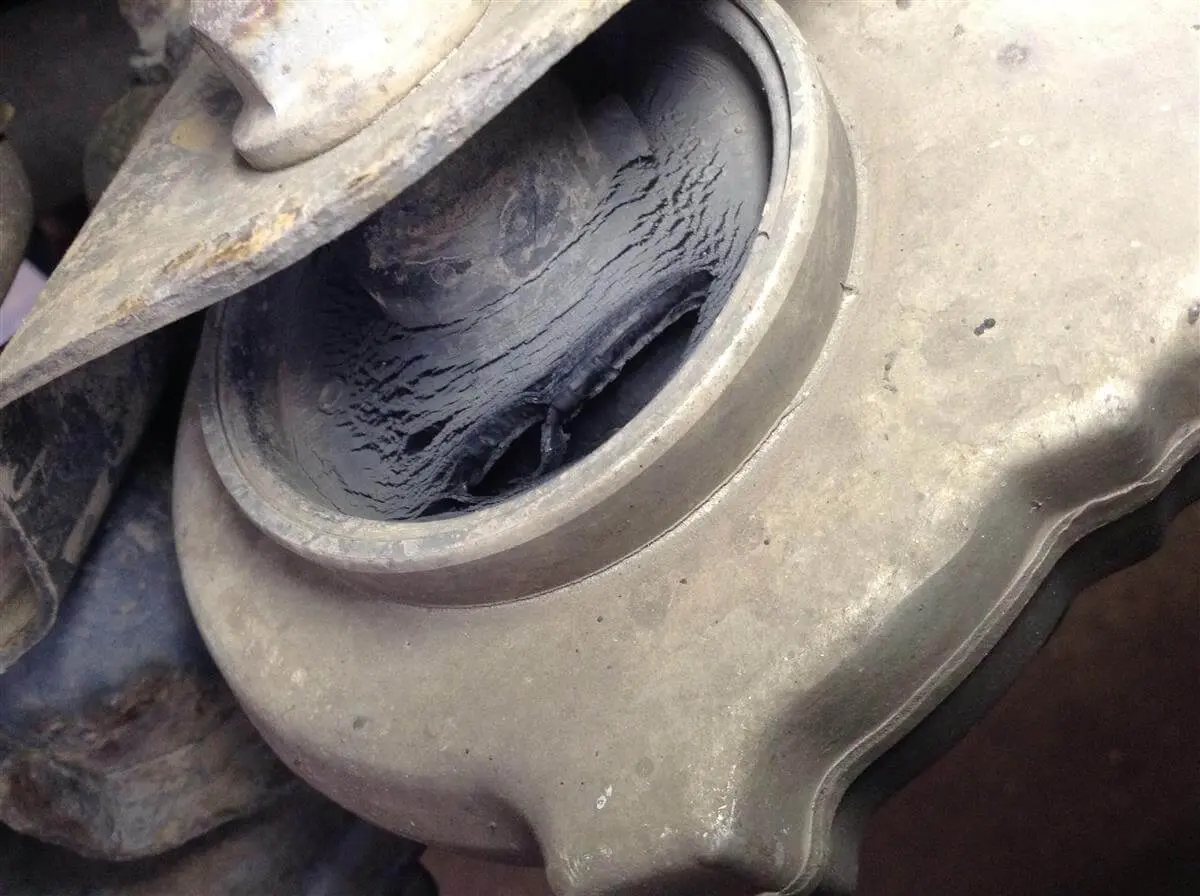
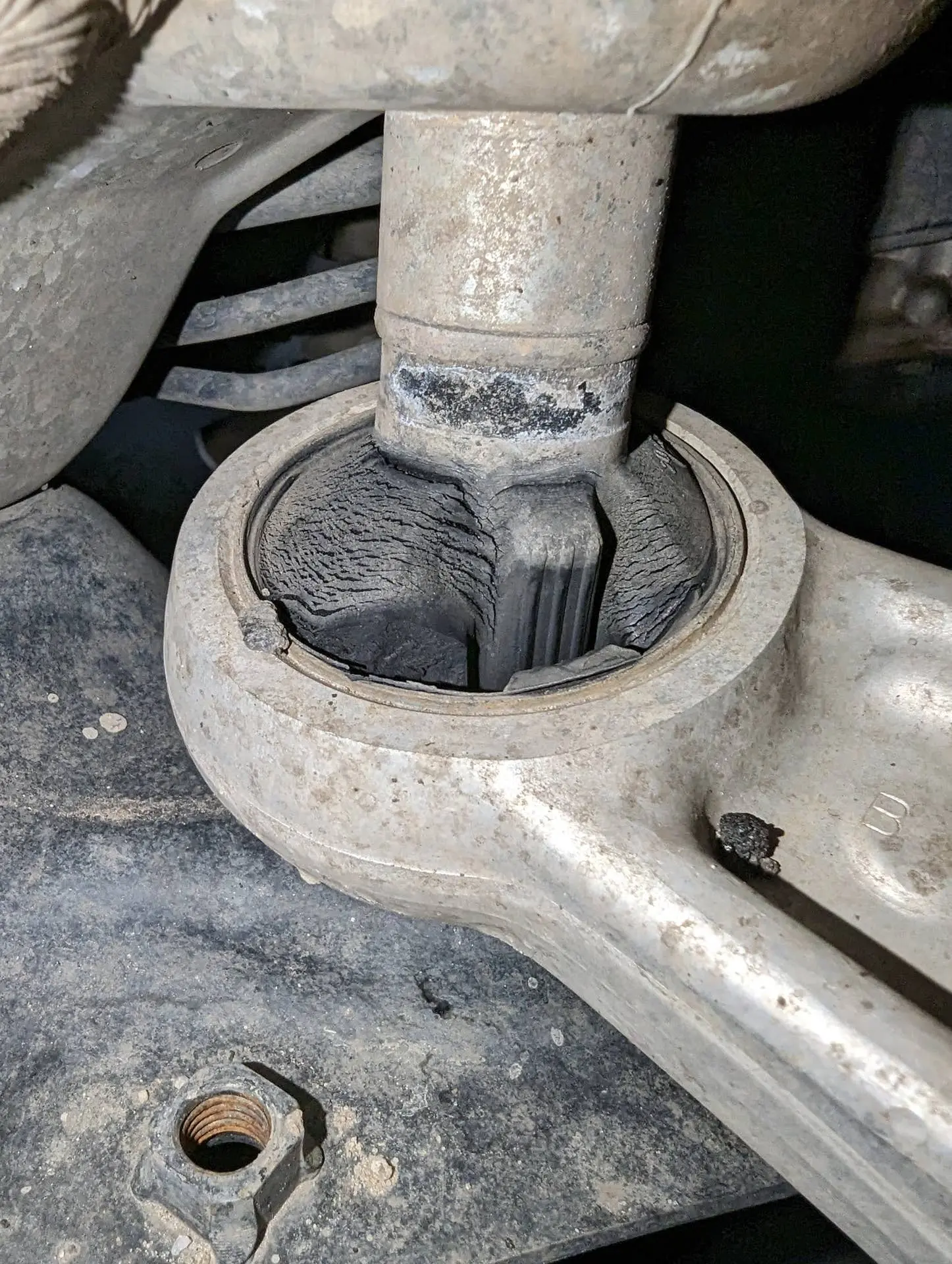
Inspect for cracked, torn, or oil-soaked bushings, damaged ball joint boots, and rust or bends in the arm. Rust can weaken metal, leading to sudden failure.
7. Misalignment
If the vehicle pulls or the steering wheel is off-center after an alignment, a worn control arm may be the cause. A professional alignment can reveal abnormal camber or caster readings.
How to Diagnose a Bad Control Arm
Visual Inspection
Park on a level surface, chock rear wheels, and support the front with jack stands. Inspect bushings for cracks, tears, or oil leakage. Check the ball joint boot for rips or grease leakage. Look for rust, bends, or impact damage. Use a pry bar to gently move the arm; excessive movement or clunking indicates wear.
Road Test
Listen for clunks over bumps. Feel for vibrations at highway speeds. Note pulling or wandering. If symptoms are present, the control arm is likely worn.
Professional Diagnosis
If unsure, have an alignment check. Abnormal camber or caster readings can point to a worn control arm. A mechanic can also inspect on a lift.
Can You Drive with a Bad Control Arm?
Driving with a bad control arm is risky. Severity depends on wear extent.
Short-Term Risks
Even minor wear causes accelerated tire wear and poor handling. More severe wear can lead to loss of steering control, especially during emergency maneuvers. The control arm is a critical safety component.
When to Stop Driving
If you hear a loud clunk on every bump, feel excessive steering play, or notice the wheel tilting, do not drive. Have it towed.
Control Arm Replacement Cost: What to Expect
Parts vs. Labor
Parts: A new control arm assembly typically costs $50–$200 per side. Some vehicles allow bushing or ball joint replacement, which may be cheaper but labor-intensive. Labor: 1–3 hours at $80–$150 per hour. Total: $150–$500 per side for most vehicles.
Cost by Vehicle Type
Luxury or European vehicles often have higher parts costs. For example, a BMW control arm may cost $200–$400, while a Honda or Toyota part may be $50–$150. Labor is similar, but some vehicles require more disassembly.
OEM vs. Aftermarket
OEM parts guarantee fit and original quality but cost more. Aftermarket quality varies; some meet OEM specs and offer good value, others may wear faster. Choose reputable brands and check warranties.
Should You Replace Both Sides at Once?
If one control arm has failed, the other has likely endured similar wear. Replacing both ensures even handling and tire wear, and saves on future labor and alignment costs. If the other side shows no wear, you can replace only the faulty side, but have it inspected thoroughly.
How to Prevent Control Arm Failure
- Inspect bushings and ball joints during routine oil changes.
- Avoid potholes and curbs.
- Maintain proper wheel alignment and tire balance.
- Replace worn bushings early before they damage the arm.
- Use quality parts.
When to See a Mechanic
If you experience any symptoms, have your suspension inspected by a professional. A mechanic can confirm the diagnosis and recommend the right repair. DIY replacement is possible with basic tools, but requires safe lifting and likely an alignment afterward.
Frequently Asked Questions
How long do control arms last?
Typically 60,000–100,000 miles, but varies with driving conditions. Rough roads, heavy loads, and corrosion shorten life.
Can a bad control arm cause vibration?
Yes, a worn bushing can cause vibrations, especially at highway speeds, because it fails to dampen road vibrations.
What does a bad control arm sound like?
A clunking or knocking noise over bumps, or a creaking sound when turning.
Is it safe to drive with a bad control arm?
No. It can lead to loss of steering control, especially if the ball joint fails. Replace it as soon as possible.
Conclusion
A bad control arm is a serious safety issue affecting steering, alignment, and tire wear. Recognizing symptoms early and addressing them promptly prevents more expensive damage and keeps you safe. Whether you DIY or hire a professional, understanding the role of the control arm and replacement process empowers informed decisions. For quality replacement parts, consider our automotive suspension components at our manufacturing facility.