Why Control Arm Bushings Fail: Engineering Insights for Smart Replacement Decisions
Control arm bushings fail due to material fatigue, environmental exposure, and installation errors—not random chance. Understanding these factors is key to choosing the right replacement and extending service life.
Material Fatigue: The Primary Cause
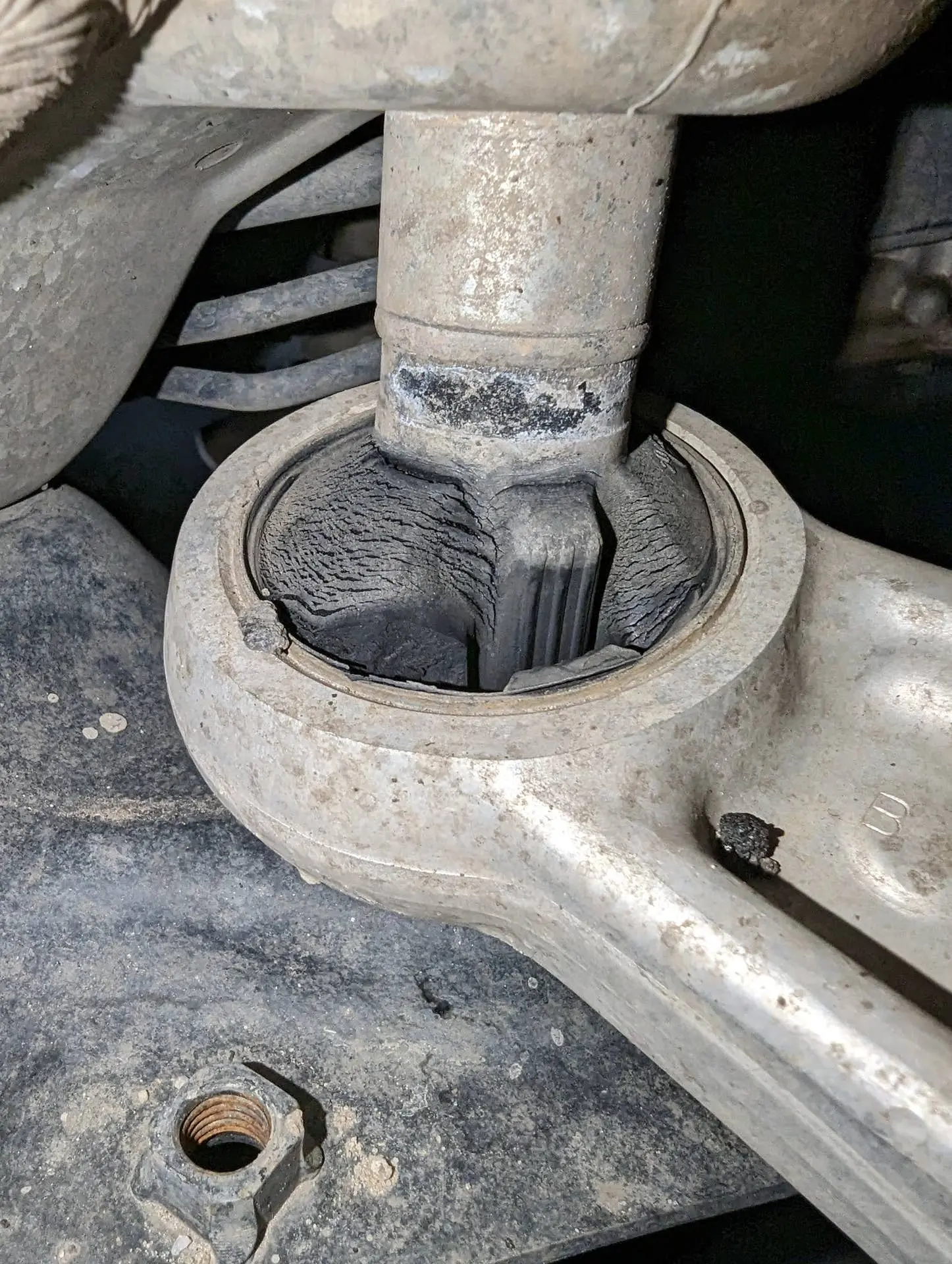
Rubber bushings degrade over time from oxidation, heat, and cyclic stress. The compound hardens and cracks, losing flexibility. Polyurethane resists fatigue better but can tear or take a compression set. Hydraulic bushings can leak fluid, losing damping. Every bushing eventually succumbs to fatigue; the key is matching material to driving conditions.
Environmental Exposure: Heat, Moisture, and Chemicals
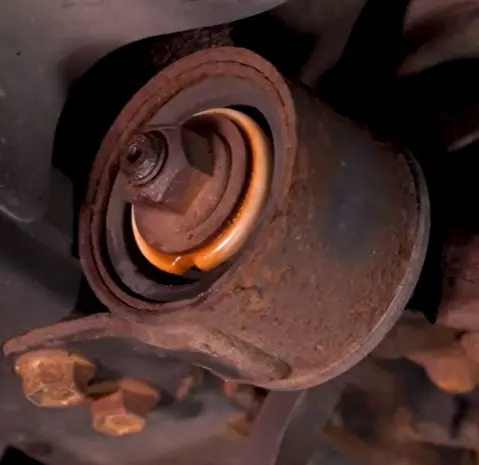
Engine heat accelerates rubber oxidation, making it brittle. Moisture and road salt corrode the metal sleeve and degrade rubber. Ozone and UV cause surface cracking. Harsh winters or high heat shorten bushing life. Regular inspection catches early signs before they become dangerous.
Installation Errors: The Overlooked Cause
Improper installation is a common, preventable cause. Tightening bolts with the suspension at full droop preloads the bushing, causing tearing or distortion. Incorrect torque specs overstress the bushing. For polyurethane, failing to apply grease leads to squeaking and wear. Always torque bolts at normal ride height and follow specs exactly.
Overloading and Vehicle Modifications
Excess weight from towing or heavy loads increases stress beyond design limits. Lift kits alter geometry, causing binding; lowering springs change operating range. If modified, consider a more durable bushing material.
Comparing Bushing Materials: Rubber vs. Polyurethane vs. Hydraulic
Rubber offers the best comfort and longevity for daily driving but is susceptible to oil and heat. Polyurethane provides sharper handling but is harsher and requires lubrication. Hydraulic delivers superior damping but is expensive and can leak. For most drivers, high-quality rubber is the best choice; enthusiasts may prefer polyurethane; luxury vehicles benefit from hydraulic.
Symptoms and Diagnostic Tips
Symptoms include clunking noises, uneven tire wear, vague steering, and excessive wheel play. Visually inspect for cracks, tears, or leaks. Use a pry bar to check for movement—more than a few millimeters indicates wear. Distinguish from ball joint or tie rod issues by checking play at the bushing point.
Preventive Maintenance and Installation Best Practices
Inspect bushings annually or every 12,000 miles. Use a torque wrench and follow specs. Tighten bolts at normal ride height. For polyurethane, apply grease. Consider replacing the complete control arm assembly for easier installation and guaranteed fitment.
FAQ
How long do control arm bushings last?
Typically 50,000 to 100,000 miles, varying with conditions and material.
Can I drive with a bad bushing?
Not recommended—failure can lead to loss of control and damage to other components.
Should I replace bushings or the entire control arm?
If the arm is in good condition, replacing bushings is cost-effective. A complete assembly is easier and ensures all parts are new.
What is the best bushing material?
For daily driving, rubber is best for comfort and longevity. Polyurethane is better for performance but harsher. Hydraulic offers the best ride but is expensive.
How much does replacement cost?
Bushings are inexpensive; labor is the main cost. A complete control arm may be more cost-effective if labor is high.
For high-quality replacement bushings and control arms, explore our Bushings and Control Arms categories. We manufacture automotive suspension components in our manufacturing facility with strict quality control. Learn more about our company.