Tie Rod Suspension Noise: A Mechanic's Guide to Diagnosing Inner vs Outer Tie Rod Wear
A clunking or popping sound from the front of your vehicle when turning, hitting bumps, or braking is often the first sign of a worn tie rod end. This noise is not just an annoyance—it indicates play in a critical steering component that, if ignored, can lead to loss of steering control. In this guide, we'll walk you through the specific sounds, how to pinpoint whether the inner or outer tie rod is at fault, and the exact diagnostic steps to confirm the issue before you replace anything.
What Does a Bad Tie Rod Sound Like?
A bad tie rod typically produces a clunking, popping, or clicking sound from the front suspension. The noise is most noticeable at low speeds, when turning sharply, or when driving over uneven surfaces. You may also hear it when braking, as the suspension shifts weight forward.
The sound originates from play in the tie rod end—the ball-and-socket joint that connects the tie rod to the steering knuckle (outer) or steering rack (inner). When the joint wears, it develops slack, and the metal components knock against each other as the suspension moves.
Key characteristics to listen for:
- Clunking during turns: Often indicates outer tie rod wear, as the joint is stressed most during steering.
- Popping over bumps: Can be either inner or outer, but a sharp pop on one side may point to the outer tie rod.
- Clicking at low speeds: A subtle clicking that increases with steering input may signal inner tie rod wear.
Differentiating from other suspension noises:
- Sway bar links typically produce a rattling or clunking that is more pronounced over bumps and often occurs on one side only.
- Ball joints may cause a clunking when turning or hitting potholes, but they are usually felt in the lower control arm area.
- Strut mounts can produce a creaking or popping when turning the wheel, but the sound is often higher-pitched.
If you're unsure, the diagnostic steps below will help you isolate the source.
Inner vs Outer Tie Rod: Which One Is Making the Noise?
The outer tie rod connects to the steering knuckle, while the inner tie rod connects to the steering rack. They wear differently and produce distinct noise patterns.
| Component | Location | Typical Noise | Common Failure Cause |
|-----------|----------|---------------|----------------------|
| Outer Tie Rod | Attaches to steering knuckle | Clunking or popping during turns, especially at low speed | Normal wear, torn boot, impact damage |
| Inner Tie Rod | Attaches to steering rack | Subtle clicking or knocking, especially over bumps | Wear from road debris, lack of lubrication, rack movement |
Why they fail:
- Outer tie rods are exposed to more stress from steering and road impacts, so they wear faster. A torn boot allows dirt and moisture in, accelerating wear.
- Inner tie rods are protected by the rack bellows, but they can still fail due to contamination or normal wear over time.
Important: Both can fail simultaneously, especially if one has been worn for a while. Always inspect both sides.
Step-by-Step Diagnosis: How to Check Tie Rods at Home
With basic tools and about 30 minutes, you can confirm whether a tie rod is the source of the noise.
Tools You'll Need:
- Jack and jack stands
- Pry bar or large screwdriver
- Flashlight
- Gloves and safety glasses
Step 1: Safely Lift the Vehicle
Park on a level surface, chock the rear wheels, and lift the front end with a jack. Support it on jack stands—never work under a car supported only by a jack.
Step 2: Visual Inspection
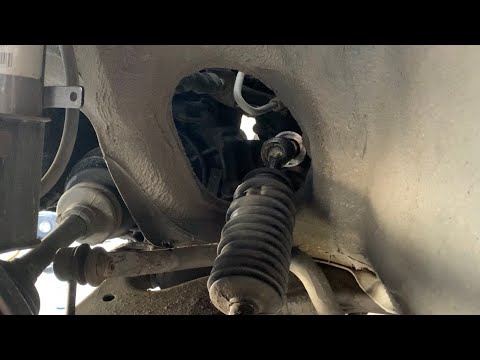
Inspect the tie rod boots (the rubber covers) for cracks, tears, or grease leakage. A damaged boot is a red flag for contamination and wear. Also check for excessive rust or visible play in the joint.
Step 3: The Wheel Play Test
Grasp the tire at the 3 and 9 o'clock positions and shake it firmly. Any noticeable movement or clunking indicates play in the tie rod or other steering components. Have a helper watch the tie rod ends to see which one moves.
Step 4: The Pry Bar Test
With the wheel still on, use a pry bar to gently pry between the tie rod and the steering arm. If you feel movement or hear a click, the joint is worn. Repeat on both inner and outer tie rods to compare.
Step 5: Pinpoint the Worn Component
If the play is at the outer tie rod, you'll feel movement where it connects to the knuckle. If it's at the inner, you'll feel it near the rack. Compare both sides—if one side has more play, that's likely the culprit.
What Else Could Be Causing the Noise?
- Sway bar links: Often produce a clunking or rattling over bumps, especially on one side. They connect the sway bar to the control arm and are a common wear item.
- Ball joints: Can cause a clunking when turning or hitting potholes. They are located in the lower control arm and can be checked with a similar pry bar test.
- Control arm bushings: Worn bushings can cause a squeaking or clunking over bumps, but the sound is usually less sharp than a tie rod.
- Strut mounts: May produce a popping when turning the wheel, but it's often higher-pitched and occurs at the top of the strut.
How to differentiate:
- Tie rod noise is typically sharper and more pronounced during turning.
- Sway bar links often click on one side over bumps.
- Ball joints may clunk when turning but are felt lower in the suspension.
If you're not confident in your diagnosis, a professional inspection is recommended.
Replacement Tips: DIY vs Professional
Replacing a tie rod is a moderate DIY job, but it requires specific tools and a wheel alignment afterward.
DIY Feasibility:
- Tools needed: Tie rod puller, torque wrench, and basic hand tools.
- Skills: You should be comfortable working on suspension components and following torque specs.
- Time: Expect 1-2 hours per side.
- Alignment: After replacement, you must get a wheel alignment to ensure proper toe settings. This requires a trip to a shop.
Why Replace in Pairs:
- Even wear: If one side is worn, the other is likely close behind.
- Balanced steering: Replacing both ensures consistent steering response.
- Avoiding future issues: You won't have to repeat the alignment sooner.
Professional Replacement:
- Includes alignment, which is critical for tire wear and handling.
- Ensures proper torque and installation.
- May be more cost-effective if you lack tools or experience.
Safety Warning: Never drive with a severely worn tie rod—it can lead to sudden loss of steering control.
The Importance of Wheel Alignment After Replacement
After replacing tie rods, a wheel alignment is mandatory. Even a slight misalignment can cause uneven tire wear, poor handling, and premature wear of new parts. A professional alignment ensures the toe is set to manufacturer specifications, which also affects steering wheel centering.
Manufacturer's Perspective: What Causes Tie Rod Wear and How to Extend Lifespan
From an engineering standpoint, tie rod wear is primarily caused by:
- Normal wear: Ball joints have a finite lifespan, typically 50,000-100,000 miles, depending on driving conditions.
- Impact damage: Potholes, curbs, and rough roads can stress the joint and cause premature wear.
- Lack of lubrication: Some tie rods are sealed, but others have grease fittings. If not greased, wear accelerates.
- Contamination: A torn boot allows dirt and water in, which acts as an abrasive and destroys the joint.
Preventive maintenance:
- Inspect boots regularly for damage.
- Keep the front end aligned.
- Avoid hitting potholes and curbs.
- Replace worn parts promptly to prevent damage to other components.
High-quality aftermarket parts, like those from our manufacturing facility, are designed to meet or exceed OEM specifications, offering reliable performance.
When to Seek Professional Help
If you notice any of the following, it's time to call a professional:
- Excessive play in the steering wheel or a loose feeling.
- Difficulty steering or a wandering front end.
- Vehicle fails a safety inspection due to tie rod wear.
- You lack the tools or experience for a proper diagnosis and replacement.
Professional services include alignment, which is essential after tie rod replacement. Ignoring tie rod noise can lead to catastrophic failure and loss of steering control.
Conclusion: Don't Ignore Tie Rod Noise – Safety First
Tie rod suspension noise is a clear warning that your steering system needs attention. By understanding the sounds, performing a thorough diagnosis, and replacing worn parts promptly, you can maintain safe handling and avoid costly repairs. Whether you DIY or seek professional help, always prioritize safety and ensure a proper alignment after replacement.
For quality replacement parts, explore our range of automotive suspension components and Large suspension bushing options.