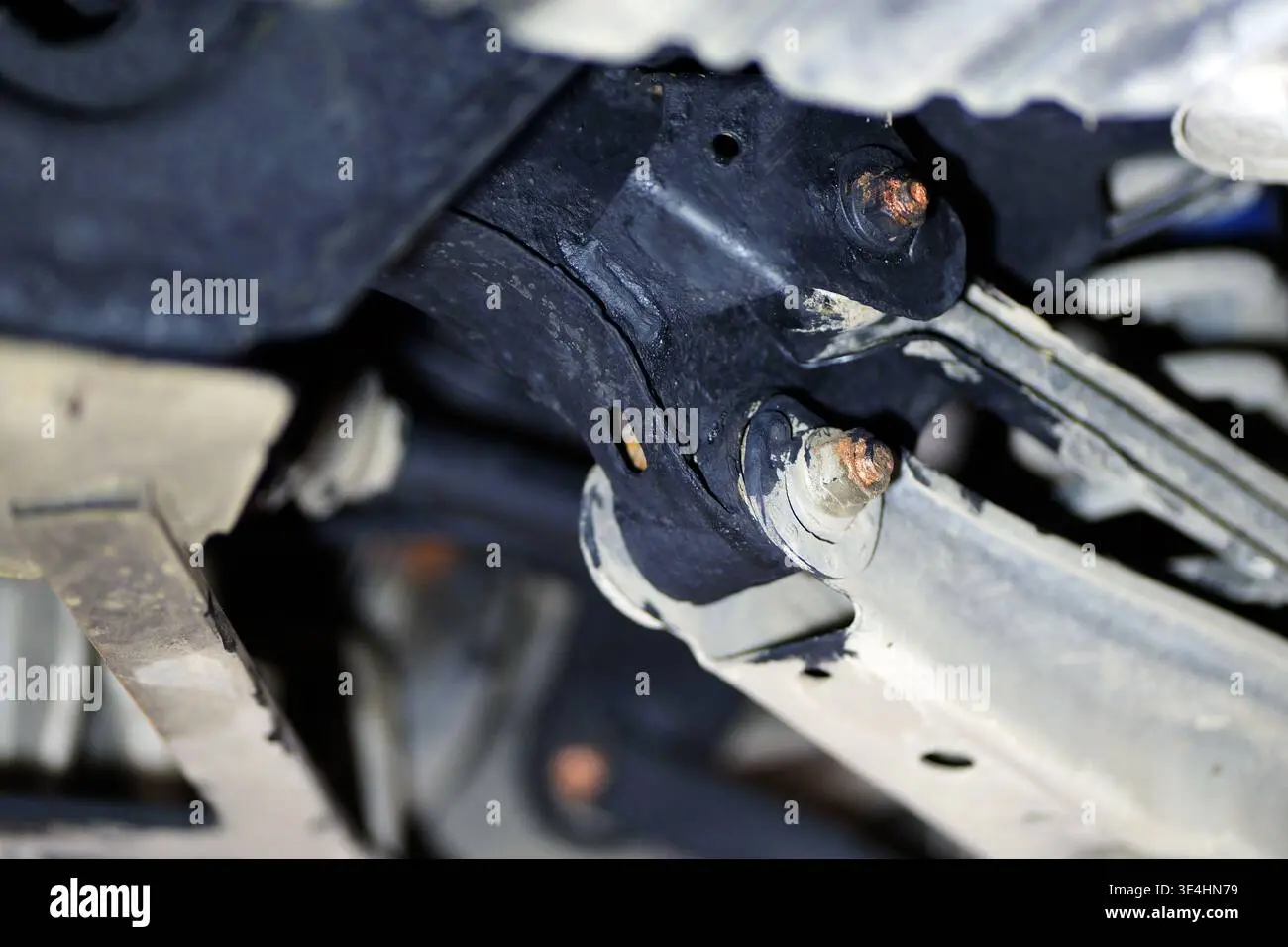
How Suspension Parts Quality Affects Vehicle Safety and Driving Performance
Suspension quality directly determines your vehicle's ability to brake, corner, and maintain stability—making it a safety-critical factor, not a luxury. Every component, from bushings to control arms, influences the tire contact patch, which is the only connection between your car and the road. Worn or low-quality parts can increase braking distance, reduce cornering grip, and lead to loss of control in emergency maneuvers. Quality manufacturing ensures consistent performance under stress, preventing sudden failures that could cause accidents.
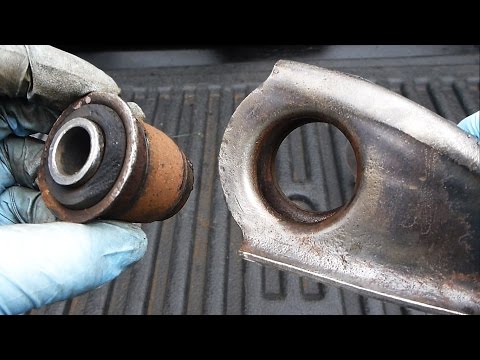
For example, a control arm bushing that is cracked or overly compliant allows excessive wheel movement, altering alignment and reducing tire grip. In a panic stop, this can translate into longer stopping distances or veering. High-quality bushings maintain precise geometry, keeping the tire planted and responsive.
How Suspension Quality Impacts Handling, Braking, and Tire Wear
Precise manufacturing tolerances ensure proper alignment and geometry, leading to predictable handling. When suspension parts are made to exact specifications, they fit correctly and maintain the designed wheel alignment. This means the vehicle responds consistently to steering inputs, which is crucial for avoiding obstacles and maintaining control.
High-quality bushings and ball joints reduce play, improving steering response and stability during braking. Play in these components allows the suspension to move unpredictably, causing a vague steering feel and brake dive. Quality parts minimize this movement, keeping the suspension geometry stable under load.
Consistent damping from quality shocks and struts prevents uneven tire wear and maintains traction. Shocks and struts control spring oscillation; if they are worn or of poor quality, the tire can lose contact with the road, leading to cupping or bald spots. Quality dampers ensure the tire stays in contact, maximizing grip and extending tire life.
Material Science: Steel vs. Aluminum and Manufacturing Tolerances
Steel offers strength and durability at a lower cost, while aluminum provides weight savings and corrosion resistance but may require more precise manufacturing. Steel is the standard for many suspension components because it can withstand high stress and is cost-effective. Aluminum is lighter, reducing unsprung weight, which improves ride quality and handling, but it is more prone to fatigue if not properly engineered.
Manufacturing tolerances determine how well parts fit and function; tighter tolerances lead to better performance and longevity. A control arm with loose tolerances may have excessive play in its ball joint or bushing, causing premature wear and poor handling. High-quality manufacturers use CNC machining and precise molding to achieve tolerances within thousandths of an inch.
Quality control processes, such as testing and inspection, ensure parts meet specifications and are free from defects. Reputable manufacturers conduct material analysis, dimensional checks, and fatigue testing to verify that each part can withstand real-world conditions. For example, our automotive suspension components undergo rigorous quality checks to ensure they meet or exceed OEM standards.
OEM vs. Aftermarket Quality: What to Look For and How to Compare
OEM parts are designed to original specifications, ensuring fit and performance, but may be more expensive. They are the benchmark for quality and reliability, but their cost can be prohibitive for budget-conscious buyers.
Aftermarket parts vary widely in quality; look for brands that meet or exceed OEM specs and have certifications like ISO/TS 16949. Some aftermarket manufacturers produce parts that are equal to or better than OEM, using advanced materials and manufacturing processes. Others may cut corners, leading to premature failure.
Compare materials, manufacturing processes, and warranties to assess aftermarket quality. For instance, a control arm made from high-strength steel with a powder-coated finish and a multi-year warranty is likely a better investment than a cheaper, unpainted unit. Look for evidence of testing and quality control, such as certifications or detailed product specifications.
Cost-Benefit Analysis: Why Investing in Quality Suspension Parts Saves Money Long-Term
Cheap parts wear out faster, leading to more frequent replacements and labor costs. A low-quality bushing may need replacement every 20,000 miles, while a quality one can last 50,000 or more. The labor cost to replace a control arm can be $100-$200, so frequent replacements quickly add up.
Poor quality can cause premature wear on tires, brakes, and other suspension components, increasing overall maintenance expenses. A worn bushing can cause misalignment, leading to uneven tire wear and reduced tire life. It can also put extra stress on ball joints and tie rods, causing them to fail sooner.
Quality parts often come with longer warranties, providing peace of mind and potential savings. A warranty of 3 years or 36,000 miles is common for quality aftermarket parts, while cheap parts may have no warranty or a very limited one. This protects you from unexpected costs if the part fails.
Signs of Bad Suspension and How to Diagnose Quality Issues
Common signs of bad suspension include uneven tire wear, pulling to one side, excessive bouncing, noise over bumps, and poor braking stability. If you notice any of these, it's essential to inspect the suspension components.
How to perform basic inspections: visual check for leaks, play in ball joints, and worn bushings. Look for cracked, torn, or oil-soaked bushings. Check for excessive movement in ball joints by prying on them with a bar. Also, inspect shocks and struts for fluid leaks or damage.
Differentiating between normal wear and quality defects: premature failure or inconsistent behavior may indicate poor manufacturing. If a bushing fails after only 10,000 miles, it's likely a quality issue. If it fails after 50,000 miles, it's normal wear. Also, if the vehicle handles erratically or makes noises that are hard to diagnose, it could be due to inconsistent part quality.
Maintenance and Inspection Tips to Extend Suspension Life and Ensure Safety
Regular inspections every 12,000-15,000 miles or as recommended by the vehicle manufacturer are crucial. This allows you to catch wear early before it becomes a safety hazard.
Check for leaks, cracks, and excessive play in components; replace worn parts promptly. Use a flashlight to inspect bushings and boots for damage. If you feel any looseness or hear clunking noises, have the suspension checked by a professional.
Maintain proper tire pressure and alignment to reduce stress on suspension parts. Underinflated tires cause excessive heat and wear, while misalignment puts uneven loads on bushings and ball joints. Regular alignment checks (every 12,000 miles or when replacing tires) help ensure even wear and prolong component life.
Conclusion: Investing in Quality for Safety and Performance
Suspension quality is not an area to cut corners. The safety and performance of your vehicle depend on the integrity of its suspension components. By choosing high-quality parts, you ensure reliable handling, shorter braking distances, and even tire wear. While the upfront cost may be higher, the long-term savings in reduced maintenance and replacement costs make it a wise investment. Whether you're a buyer, installer, or DIY enthusiast, prioritize quality to protect yourself and your passengers on the road.