Suspension Knocking Noise Diagnosis: A Component-Level Inspection Guide
A suspension knock is a warning you can't ignore. But generic symptom lists often lead to misdiagnosis and unnecessary part replacement. The only reliable way to fix a knock is to find its root cause through a systematic, component-level inspection. This guide walks you through that process, from safety prep to making informed repair or replacement decisions.

Before you start, ensure the vehicle is on a level surface and supported by jack stands. Never rely on a floor jack alone. Gather basic tools: a jack, jack stands, lug wrench, pry bar, and flashlight. For pinpointing noises while driving, consider a chassis ear or mechanic's stethoscope.
Step-by-Step Diagnostic Procedure
- Visual Inspection: Look for obvious damage, wear, or corrosion on all suspension components. Check for leaking shock absorbers, cracked bushings, and bent or damaged parts.
- Pry Bar Test: Use a pry bar to check for play in bushings, ball joints, and control arms. Apply leverage to simulate road loads and observe any movement.
- Bounce Test: Push down on the vehicle's corners to reproduce the noise. Listen for clunks or squeaks and isolate the area.
- Road Test with Chassis Ear: If the noise persists, use a chassis ear or mechanic's stethoscope to pinpoint the source while driving over bumps. This tool amplifies noise from specific components, helping you identify the culprit.
Inspecting Common Culprits: Sway Bar Links, Bushings, Ball Joints, and Control Arms
Sway Bar Links
Sway bar links are a frequent source of knocks. They fail due to worn bushings, loose connections, or play in the ball joint. A worn link often produces a clunking noise over bumps. To inspect, grasp the link and shake it; any movement indicates wear. Also check the bushings for cracks or deterioration. Replacing sway bar links is relatively inexpensive and straightforward.
Bushings
Bushings isolate road noise and vibration. They wear due to age, exposure to elements, and stress. Worn bushings can cause knocking and vague handling. Inspect for cracks, tears, and excessive movement. Use a pry bar to check for movement in the bushing; if it moves noticeably, replacement is necessary. Bushing material matters: rubber bushings offer comfort but wear faster, while polyurethane bushings are more durable but can transmit more noise. Consider your priorities when choosing replacements.
Ball Joints
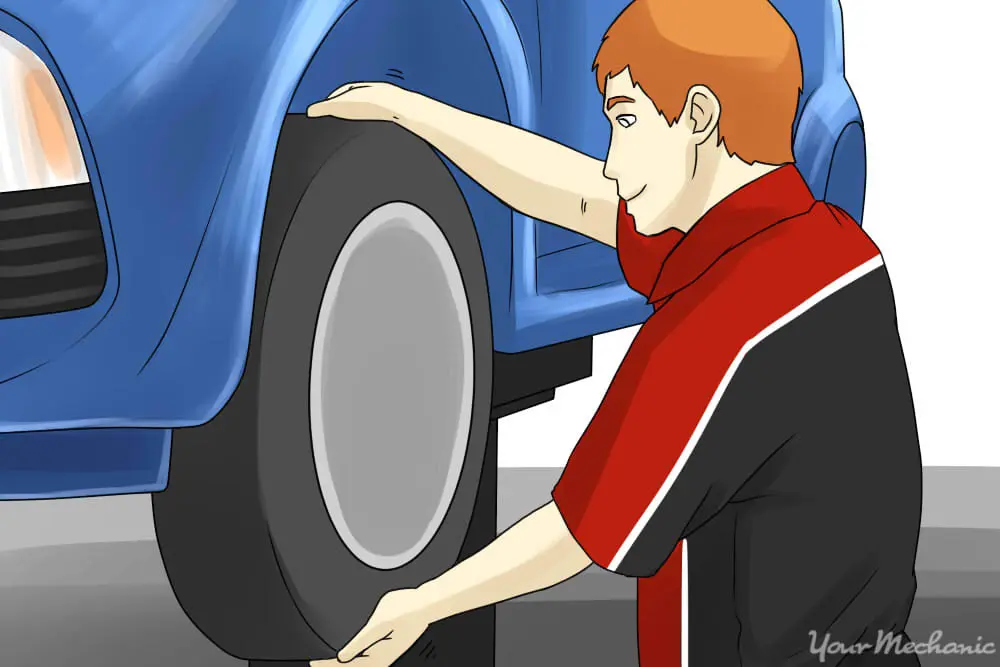
Ball joints are critical safety components. They wear from normal use and can fail suddenly. Check for play and wear using a pry bar and measuring movement. With the vehicle supported, place a pry bar under the tire and lift. Any vertical movement indicates wear. A worn ball joint is a safety hazard and must be replaced immediately. Never attempt to repair a ball joint; replacement is the only safe option.
Control Arms
Control arms often have integrated bushings and ball joints. Inspect for damage, corrosion, and bushing condition. If the control arm is bent or corroded, replace it. If only the bushing is worn, you may be able to replace just the bushing, but check the manufacturer's recommendations. Some control arms are designed for complete replacement, while others allow bushing replacement. Consider the cost and labor involved in each option.
Differentiating Suspension Noises from Other Vehicle Noises
Suspension knocks can be confused with exhaust rattles or interior noises. Use the location and conditions to narrow down the source. For example, a noise that occurs only when turning is likely suspension-related, while a noise at idle may be exhaust. A noise that changes with speed could be a wheel bearing issue. Pay attention to when the noise occurs: over bumps, during braking, or on smooth roads. This information helps you focus your inspection.
Weather and Environmental Factors Affecting Suspension Noises
Cold weather can stiffen bushings, making them noisier. Moisture can affect rubber components and cause squeaks or knocks. Road conditions like potholes and speed bumps can exacerbate noises. If a noise only occurs in certain conditions, note that during diagnosis. For example, a clunk that only happens in cold weather might point to a bushing that hardens when cold.
Preventive Maintenance to Avoid Suspension Noises
Regularly inspect suspension components for wear and damage. Lubricate moving parts as recommended by the manufacturer. Replace worn components promptly to avoid further damage. Maintain proper tire pressure and wheel alignment. These steps extend component life and reduce future repair costs. Preventive maintenance is always cheaper than reactive repairs.
OEM vs. Aftermarket Suspension Parts: What You Need to Know
OEM parts are designed to match original specifications and often provide the best fit and noise characteristics. Quality aftermarket parts can meet or exceed OEM specs at a lower cost. Consider factors like material quality, warranty, and brand reputation. For critical components like control arms, OEM or high-quality aftermarket parts are recommended. Look for brands that offer warranties and use materials like forged steel or high-grade rubber. Examples of reputable aftermarket brands include Moog, AC Delco, and Beck/Arnley, but always verify fitment and quality before purchasing.
Repair vs. Replace: Making the Right Decision
Some components can be repaired (e.g., replacing bushings) while others must be replaced (e.g., ball joints). Consider the cost of repair vs. replacement, including labor. For example, replacing a sway bar link might cost $50-$150, while a control arm replacement could be $200-$500. Safety is paramount: never compromise on critical components like ball joints or control arms. If you're unsure, consult a professional.
FAQ
Q: Can I drive with a suspension knock?
A: It's not recommended. A knock indicates wear that could lead to component failure, affecting safety.
Q: How much does it cost to fix a suspension knock?
A: Costs vary widely depending on the component and labor. Sway bar links are relatively inexpensive, while control arms can be more costly.
Q: Can I diagnose a suspension knock myself?
A: Yes, with basic tools and careful inspection. However, some noises require specialized equipment like a chassis ear.
Q: What tools do I need for suspension diagnosis?
A: Jack, jack stands, pry bar, flashlight, and optionally a chassis ear or mechanic's stethoscope.
Q: What if the noise persists after replacing all common components?
A: If the noise persists, consider less common sources like strut mounts, subframe bushings, or worn steering components. Also, re-evaluate your diagnosis; sometimes a noise is not suspension-related at all.
Q: How do I differentiate a ball joint noise from a control arm bushing noise?
A: A ball joint noise often occurs when turning or hitting bumps and may feel like a clunk in the steering wheel. A control arm bushing noise is more of a dull thud over bumps and may be accompanied by vague handling. Use a pry bar to test for play in each component to confirm.