Start With the Bushing, Not the Tool
The replacement method is dictated by the bushing's construction and the arm it sits in—not by which tools happen to be in your box. Pressing a hydraulic bushing because you own a press can rupture the fluid chamber and contaminate the arm bore. Burning a polyurethane bushing because you don't own a press releases toxic fumes and destroys the sleeve. The method follows the part.
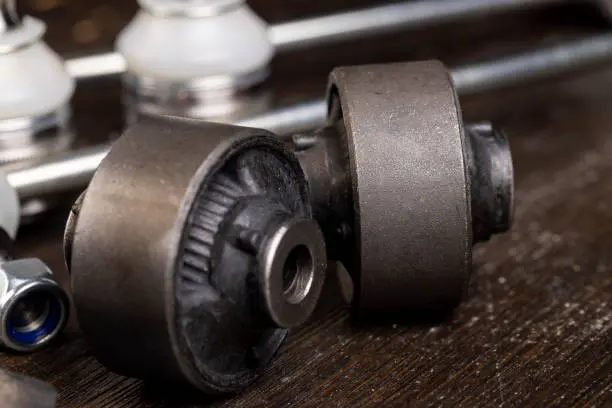
Bushing construction is the primary variable. Rubber bushings are typically press-fit or bonded to a metal sleeve. Polyurethane bushings are often two-piece or sleeve-style and may press or even hand-remove depending on design. Hydraulic bushings contain fluid-filled chambers bonded to rubber and metal—pressing can rupture them, and burning risks fluid release and arm damage.
Arm material and retention method narrow the options further. Steel arms tolerate pressing and heat far better than aluminum. Bushings bonded directly to aluminum arms—common on modern platforms—cannot be pressed out without specialized tooling and a real risk of deforming the arm. Threaded or clamped retention changes the removal sequence entirely.
Tooling availability is a constraint, not a starting point. The decision tree runs: identify bushing type → assess arm design → evaluate tooling → select method → plan installation. Reverse that order and you'll choose a method that damages the arm.
How Bushing Construction Dictates Removal Method
Rubber Bushings
Rubber bushings are the most forgiving. Press-fit rubber bushings in steel arms press out cleanly if the unit isn't severely corroded. When rust has welded the sleeve to the bore, cutting or burning becomes the fallback. Bonded rubber bushings—where the rubber is vulcanized directly to the arm—cannot be pressed out without tearing the rubber and leaving the sleeve behind.
Polyurethane Bushings
Polyurethane bushings are usually two-piece or sleeve-style. Many press out easily, and some hand-remove once the arm is off the vehicle. Burning is never appropriate: polyurethane melts, produces hazardous fumes, and leaves a mess that's harder to clean than the original removal would have been. If a polyurethane bushing is seized, cut it—don't torch it.
Hydraulic Bushings
Hydraulic bushings are the trap. They contain fluid-filled chambers bonded to rubber and metal, and they're designed to damp specific frequencies. Pressing can rupture the hydraulic element and contaminate the arm bore with fluid. Cutting or burning risks fluid release and arm damage. For most hydraulic bushings, full arm replacement is the safer, more reliable choice—especially when the arm also carries a ball joint.
Bonded vs. Non-Bonded
Bonded versus non-bonded is the final filter. Bushings bonded to the arm—common in aluminum arms—cannot be pressed out without specialized tooling and carry a real risk of arm deformation. In those cases, full arm replacement is frequently the practical answer, not a fallback.
Method 1: Pressing
When It Works
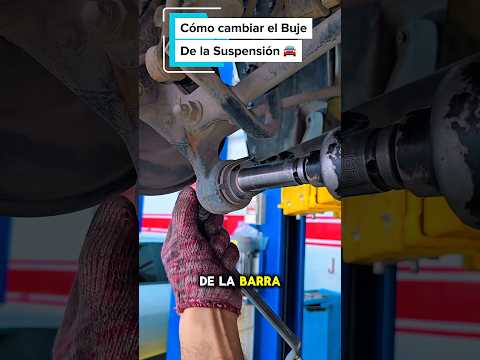
Pressing works best on steel arms with press-fit rubber or polyurethane bushings that are not severely corroded or bonded. That's the sweet spot: the sleeve has a clean shoulder to push against, the arm has enough wall thickness to resist deformation, and the bushing isn't fused to the bore.
Tooling and Setup
Tooling is straightforward but not optional. A hydraulic press with proper adapters, or a loaner/rental ball-joint press kit with receiver cups sized to the bushing bore, is the minimum. DIY constraints are real: limited access under the vehicle, insufficient force for seized bushings, and adapter cups that don't quite fit. A press that's too small for the job will bend the arm before it moves the bushing.
Common Failure Modes
Common failure modes are predictable. A misaligned press bends the arm. Too much force cracks it. Pressing a hydraulic bushing ruptures the fluid chamber. Pressing a bonded bushing tears the rubber without removing the sleeve. Each of these is a setup problem, not a force problem—fix the alignment and support before adding pressure.
Installation Rules
Press the new bushing in straight and fully seated. Lubricate polyurethane bushings with the supplied grease. Polyurethane bushings often need a specific orientation and may require reusing the outer sleeve. If the bushing has slots or offset holes, clock it correctly before it seats—once it's in, it's in.
Method 2: Cutting and Burning
When They're the Only Option
Cutting is the right call when pressing isn't viable: seized bushings, aluminum arms where pressing is risky, and hydraulic bushings where pressing would rupture the fluid chamber. Use a reciprocating saw, die grinder, or drill to remove the rubber and outer sleeve. Work in controlled passes and stop the moment you're through the sleeve—cutting too deep scores the arm bore and creates a stress riser.
Burning: Last Resort
Burning is a last resort with hard limits. Use a torch to burn out rubber only. Never use it on polyurethane (toxic fumes) or hydraulic bushings (fluid fire risk). Burning leaves the outer sleeve, which must then be cut or pressed out. Thin-walled arms can warp from heat, and nearby components—brake lines, fuel lines, wiring—can ignite. Keep a fire extinguisher within reach and shield anything flammable.
Shared Risks
Both methods share the same risk profile: heat and cutting tools don't know where the arm ends and the bore begins. The failure mode is always the same—a scored bore or a warped arm that won't hold the new bushing concentric.
Installation After Cutting or Burning
Installation after cutting or burning requires the same discipline as pressing. The arm bore must be clean and undamaged. New bushing installation may still require pressing or a bushing driver. If the bore is scored, the new bushing won't seat properly and will fail prematurely—at that point, full arm replacement is the honest answer.
Method 3: Full Arm Replacement
When It's the Smarter Call
Full arm replacement is often the better choice when the bushing is hydraulic or bonded, the arm is aluminum, the bushing is severely corroded, or the arm includes integrated ball joints that are also worn. In those scenarios, the labor to press out and replace a single bushing can exceed the cost of a new arm with bushings and ball joint pre-installed.
Cost Comparison
The cost comparison is straightforward in a shop setting. A new arm with bushings and ball joint pre-installed can be less expensive than the labor to press out and replace a single bushing—especially when the arm is aluminum and the bushing is bonded. For a DIYer, the math shifts: if you already own the press and adapters, pressing is cheaper. If you don't, the tooling cost alone can exceed the arm.
Tooling and Trade-offs
Tooling for full arm replacement is basic hand tools and an alignment afterward. No press, torch, or cutting tools needed. That's the trade: you pay for the arm, you save the tooling and the risk.
Quality Considerations
Quality considerations matter more with full arms than with bushings. Aftermarket arms vary in bushing quality and ball joint durability. Buyers should scrutinize supplier specs and ask about bushing construction and materials. A cheap arm with a low-grade bushing is a repeat repair waiting to happen.
Evaluating Replacement Bushing Quality Before You Buy
Ask what the bushing is made of before you ask the price. Rubber is OEM-style and behaves predictably. Polyurethane offers durability but may increase NVH. Hydraulic is often OEM-only or high-end aftermarket. If a supplier can't tell you which one you're buying, that's the answer.
For rubber bushings, ask about the rubber compound and whether it's bonded to the sleeve. For polyurethane, ask about durometer and whether it requires reusing the outer sleeve. These aren't academic questions—they determine whether the bushing presses in cleanly or fights you the whole way.
Supplier transparency is the strongest signal. Reputable suppliers provide construction details, material specs, and warranty information. Be wary of listings that only show a photo and a low price. A bushing is a wear item; the difference between a good one and a bad one shows up 20,000 miles later.
Fitment and application are non-negotiable. Confirm the bushing is designed for your specific arm and vehicle. Universal bushings often require modification and may not fit correctly. For Hyundai and Kia applications, matching the OEM number to the correct Rear Trailing Arm Bushing or large suspension bushing is the fastest way to avoid a comeback. If you're evaluating a full arm instead, compare the control arm against your vehicle's OEM number before ordering.
Installation and Alignment
Press or drive the new bushing in straight and fully seated. Lubricate polyurethane bushings with the supplied grease. Ensure proper orientation for slotted or offset bushings—clock them before they seat. A bushing installed twisted will tear itself apart in service.
Tighten suspension fasteners with the vehicle at ride height, or simulate ride height with a jack under the control arm. Torquing at full droop pre-loads the bushing and causes premature failure. This is the single most common installation mistake, and it's invisible until the bushing fails early.
Any suspension work that affects camber, caster, or toe requires a professional alignment afterward. Full arm replacement almost always requires alignment. Skipping it trades a cheap alignment for expensive tire wear.
After installation, verify bushing seating, fastener torque, and absence of noise or play. Re-check after a short test drive. If the bushing has shifted or the arm is making noise, stop and diagnose before the customer or you put more miles on it.
FAQ
Can I press out a hydraulic bushing?
You can try, but pressing risks rupturing the fluid chamber and contaminating the arm bore. For most hydraulic bushings, full arm replacement is the safer, more reliable choice.
Is burning bushings ever the right method?
Only for rubber bushings where pressing isn't viable. Never burn polyurethane (toxic fumes) or hydraulic bushings (fluid fire risk). Burning also leaves the outer sleeve, which must still be cut or pressed out.
How do I know if I need a full arm instead of just a bushing?
If the bushing is hydraulic or bonded, the arm is aluminum, the bushing is severely corroded, or the arm includes a worn ball joint, full arm replacement is usually the smarter call. Compare the labor to press out a single bushing against the cost of a loaded arm.
What should I ask a supplier before buying a replacement bushing?
Ask about construction (rubber, polyurethane, or hydraulic), material and bonding, durometer for polyurethane, whether the outer sleeve is reused, and fitment for your specific arm and vehicle. Reputable suppliers provide these details without hesitation.