Steering Axis Inclination (SAI): The First Check for Steering Pull
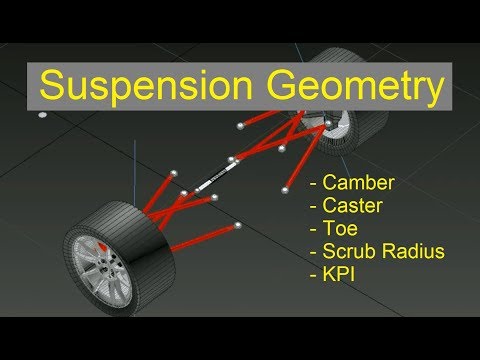
Steering Axis Inclination (SAI) is the angle between the steering axis and vertical, viewed from the front of the vehicle. On virtually all production vehicles it is non-adjustable — there are no shims, slots, or eccentrics that change it. That single fact makes SAI the most honest diagnostic angle on any alignment printout: if it is out of specification, a suspension component is bent or worn, and no amount of caster or camber adjustment will fix the underlying problem.
SAI is formed by the line that passes through the upper and lower steering pivots — the ball joints on a double-wishbone suspension, or the strut mount and lower ball joint on a MacPherson strut. Because that line is defined by hard components, SAI changes only when those components deform or wear. Checking SAI first prevents two common mistakes: replacing adjustable parts that were never the cause, and chasing a caster or camber problem that is actually a symptom of a bent strut or worn ball joint.
> Exception: A small number of aftermarket or modified suspensions use adjustable upper pivots or offset bushings that can alter SAI. On those setups, SAI is adjustable — but the diagnostic logic below still applies once you confirm the hardware is fixed.
How SAI Is Measured on an Alignment Rack — and What the Numbers Tell You
SAI is not read directly. It is calculated from the camber change that occurs as the front wheels are steered through a known angle. The rack does the math automatically during a standard turn-angle procedure, but you need to understand the inputs to trust the output.
Step-by-step measurement procedure
- Set the vehicle on the rack correctly. Tires at specified pressure, ride height at design, steering wheel centered, and turn plates unlocked and centered.
- Mount the alignment heads and compensate. Perform runout compensation per the rack manufacturer's procedure. Skipping or rushing this step is the most common source of bad SAI numbers.
- Set the turn plates to the specified angles. Most racks call for a 20° turn in each direction (some use 10° or 15°). The exact angles are defined by the alignment equipment, not by the vehicle.
- Turn the wheel to the first angle and record camber. Turn to the second angle on the same side and record camber again.
- Repeat on the opposite side. The rack calculates SAI from the camber change on each side independently.
- Read SAI, camber, and included angle together. Included angle is SAI plus camber. If SAI is low but camber is high, the included angle may still look normal — which is why you must read SAI and camber individually, not just the sum.
What the numbers tell you
A low SAI reading on one side typically indicates a bent or worn component that has pushed the top of the steering axis outward or the bottom inward. A high reading indicates the opposite. The key diagnostic is the side-to-side difference: a spread greater than about 0.5° between left and right is a strong field signal that something is physically wrong on the side with the outlier reading.
That 0.5° figure is a practical field heuristic, not an OEM specification. Always check the manufacturer's tolerance for the exact vehicle before condemning a component.
Worked example: reading a real printout
| Angle | Left | Right |
|---|---|---|
| SAI | 12.1° | 13.4° |
| Camber | −0.4° | −0.1° |
| Included angle | 11.7° | 13.3° |
Diagnosis: SAI spread is 1.3° — well outside the 0.5° field heuristic. The right side is the outlier (high SAI). Camber is also asymmetric, and the included angle spread (1.6°) confirms the problem is in the steering axis, not the wheel position. This is a right-side component problem: inspect the right ball joint, strut mount, control arm, and knuckle before touching any adjustable angle. Adjusting caster or camber here would mask the symptom, not fix it.
SAI vs. Caster vs. Camber vs. Included Angle vs. Scrub Radius: How They Interact
Caster and camber are adjustable on many vehicles. SAI and included angle are not. That distinction is the foundation of alignment diagnostics.
- Caster is the forward or rearward tilt of the steering axis.
- Camber is the inward or outward tilt of the wheel.
- SAI is the inward tilt of the steering axis itself.
- Included angle is SAI plus camber — it tells you whether a problem originates from the steering axis or from the wheel position.
- Scrub radius is the distance between the tire contact patch center and the point where the steering axis intersects the ground.
SAI affects scrub radius, but it is not the only input. Scrub radius is determined by the steering axis intersection point and the tire contact patch center — which means wheel offset, tire width, and knuckle geometry all move it. Changing wheel offset alone can alter scrub radius without any SAI change. If a customer installs aftermarket wheels and then complains of heavy steering or poor returnability, do not blame SAI until you have confirmed the printout shows an SAI deviation.
Symptoms of Incorrect SAI: Pull, Uneven Steering Effort, and Poor Returnability
A steering pull that persists after caster and camber have been adjusted to specification is the classic SAI symptom. If the pull remains, the steering axis itself is tilted incorrectly on one side, and the only fix is component replacement.
Uneven steering effort — heavier in one direction than the other — is another common sign. SAI affects how the steering axis loads the tire contact patch. Poor return-to-center, where the steering wheel does not come back to straight after a turn, also points to SAI issues, particularly when scrub radius has been effectively changed by a bent component.
Tire wear patterns can accompany SAI problems, but they are not exclusive to SAI. Camber wear (excessive inner or outer shoulder wear) may appear if SAI has shifted camber as a side effect. Do not use tire wear alone to diagnose SAI; use it as a confirming clue after the alignment printout shows an SAI deviation.
Why SAI Is Non-Adjustable — and What Causes It to Go Out of Spec
SAI is determined by the design and condition of the suspension components that define the steering axis: ball joints, strut mounts, control arms, and the strut or knuckle itself. There are no shims, slots, or eccentrics that change SAI on a production vehicle. It is a fixed geometric relationship.
Common causes of out-of-spec SAI:
- Bent strut or strut rod: A curb strike or pothole impact can bend the strut tube, tilting the steering axis.
- Worn ball joints: Excessive play allows the steering axis to shift under load, changing SAI dynamically and often showing as an inconsistent reading.
- Worn strut mounts: A collapsed or deteriorated strut mount bearing can change the upper pivot point, altering SAI.
- Bent control arms: A deformed lower control arm moves the lower ball joint, which directly changes the steering axis angle.
- Bent knuckle or spindle: Less common but possible after a severe impact.
Replacing the damaged component is the only way to restore SAI to specification. Adjusting caster or camber to compensate will not correct the underlying geometry and may introduce other handling problems.
Diagnostic Flow: When to Suspect SAI vs. Caster vs. Other Alignment Angles
Start with the alignment printout. Check SAI and included angle first. Then run the decision tree below.
If SAI is out of spec on one side
Inspect that side in this order:
- Ball joint — check for play under load and for a bent stud or housing.
- Strut mount — check the bearing for collapse, cracking, or seized rotation.
- Control arm — check for visible bending, cracked bushings, or a shifted pivot.
- Knuckle or spindle — check for impact damage or deformation at the ball joint tapers.
Replace the first component that fails inspection. Re-measure SAI after replacement.
If SAI is in spec but caster or camber is out
Check the adjustable hardware first: cams, eccentrics, slotted strut mounts, and shims. If the adjusters are intact and the angle still will not hold, look for worn control arm bushings, worn strut mounts, or a bent strut that is not severe enough to move SAI past the threshold.
If SAI, caster, and camber are all in spec but the pull persists
Measure scrub radius. Confirm wheel offset and tire width match the design intent. Then check the steering rack, tie rods, and steering column for binding, wear, or a centered-but-off steering wheel. A pull with all static angles in spec is usually a scrub radius, tire, or steering-system problem — not an SAI problem.
Typical SAI Value Ranges by Vehicle Type — and How to Use Them as a Reference
SAI values vary by suspension design, ride height, and intended load. The ranges below are general references only. Always use the manufacturer's specification for the exact vehicle you are working on.
| Vehicle type | Typical SAI range |
|---|---|
| Passenger cars | 8°–12° |
| SUVs | 10°–15° |
| Trucks | 12°–18° |
A difference of more than about 0.5° between left and right is a practical field threshold for flagging a potential bent or worn component. It is not an OEM tolerance. Some manufacturers allow a wider spread; check the spec before condemning a part. If both sides are equally out of spec, suspect a collision that affected both sides, or a systematic issue such as incorrect ride height.
What to Do Next: Replacing the Right Component to Restore SAI
Once SAI is confirmed out of spec on one side, inspect the suspension components on that side in this order: ball joint, strut mount, control arm, and strut/knuckle. Look for visible bending, excessive play, or damaged bushings.
Replace the damaged component with a part that meets the vehicle's original specification. For Hyundai and Kia vehicles, we manufacture replacement control arms and suspension bushings for Hyundai and Kia applications. Our automotive suspension components are produced in our manufacturing facility under strict quality control to ensure proper fit and function.
After replacement, re-measure SAI on the alignment rack to confirm it is within specification. If the symptom persists, re-check scrub radius and consider other steering system components such as the steering rack or column.
FAQ
Can SAI be adjusted?
On virtually all production vehicles, no. SAI is determined by the suspension geometry and can only be corrected by replacing bent or worn components. A small number of aftermarket or modified suspensions use adjustable upper pivots or offset bushings that can alter SAI.
What is a normal SAI value?
Typical passenger cars range from 8°–12°, SUVs 10°–15°, and trucks 12°–18°. Always refer to the manufacturer's specification for the exact vehicle.
How does SAI affect steering?
SAI affects steering returnability and effort. Incorrect SAI can cause pull, uneven effort, and poor return-to-center.
What causes SAI to go out of spec?
Bent struts, worn ball joints, worn strut mounts, and bent control arms are the most common causes.
Can I drive with incorrect SAI?
It is not recommended. Incorrect SAI can cause uneven tire wear, poor handling, and increased steering effort, which may compromise safety.
Does changing wheel offset change SAI?
No. SAI is set by the steering axis geometry. Wheel offset changes scrub radius, which can cause steering symptoms that look like SAI problems. Confirm SAI on the printout before blaming the wheels.