The Safety-Critical Decision: When Refurbished Suspension Parts Are (and Aren’t) Acceptable
Refurbished suspension parts are acceptable only when the component is non-structural, the refurbishment is done by a certified facility, and the part comes with a warranty that covers defects. For load-bearing parts like control arms or steering knuckles, new is always safer. The decision hinges on three factors: component criticality, refurbishment quality, and intended use (daily driver vs. off-road).
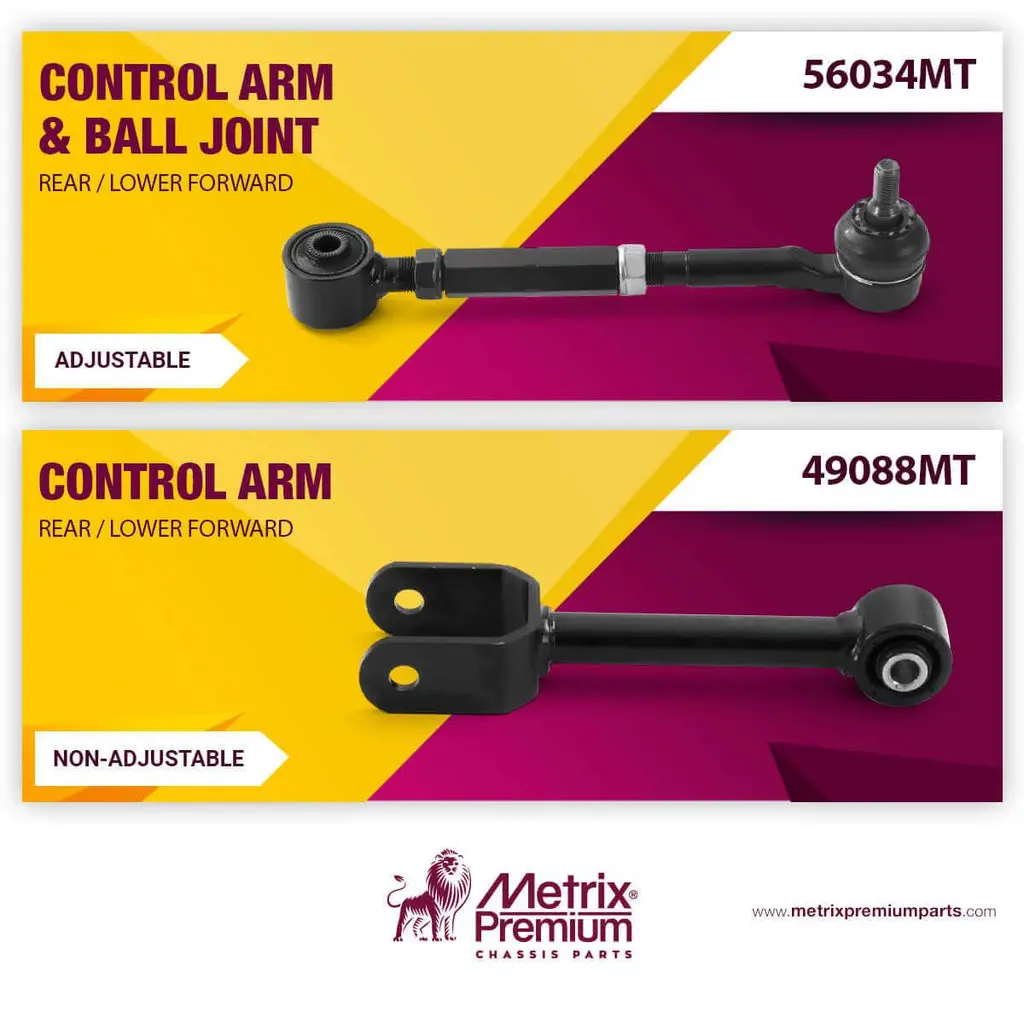
Suspension components are safety-critical. A failure at speed can cause loss of control. Refurbished parts vary widely in quality—from a simple cleaning to a full rebuild with new bushings, ball joints, and seals. The risk is highest for parts that carry the vehicle's weight and absorb impact, such as control arms, subframes, and steering knuckles. Non-structural parts like stabilizer links or sway bar bushings are less risky because they don't affect wheel alignment or steering.
For a daily driver, a refurbished stabilizer link from a reputable supplier is a reasonable choice. For an off-road vehicle that sees heavy loads and impacts, even a control arm should be new. The cost difference is often 30-50%, but the potential cost of a failure—accident, injury, or damage to other components—far outweighs the savings.
Action: Before buying, classify the part as safety-critical or non-critical. If it's critical, buy new. If not, proceed with the rest of this guide to evaluate the refurbished option.
What Does 'Refurbished' Actually Mean? A Look Inside the Process
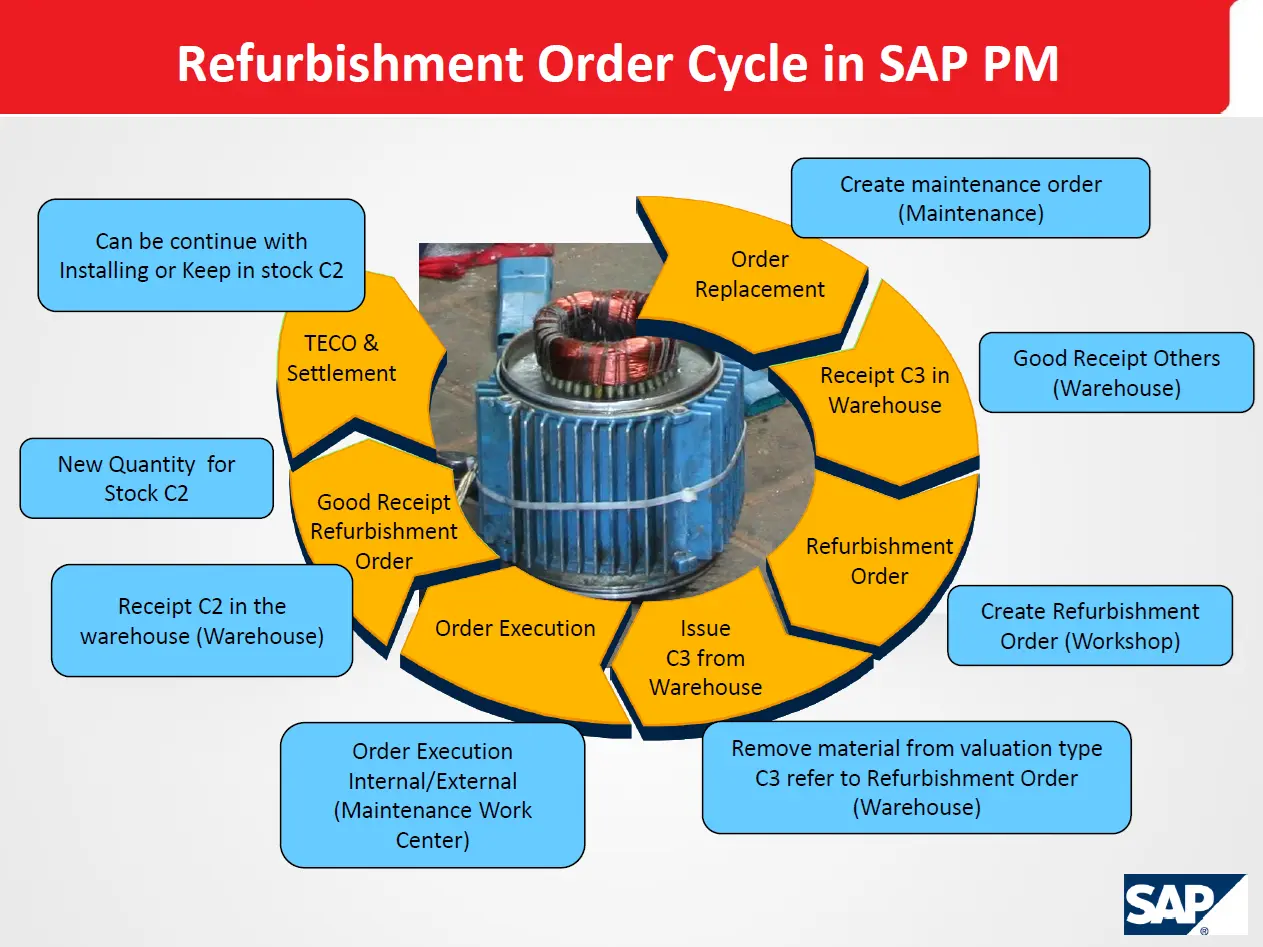
Refurbishment is a multi-step process that, when done correctly, can restore a part to near-new condition. The typical process includes: inspection, disassembly, cleaning, replacement of worn parts, reassembly, and testing. Quality indicators include certifications (e.g., ISO 9001), warranty length, and whether the supplier uses OEM or aftermarket internals.
A proper refurbishment starts with a thorough inspection to identify cracks, bends, or excessive wear. The part is then disassembled down to its components. Cleaning removes rust, old grease, and contaminants. Worn parts—bushings, ball joints, bearings—are replaced with new ones, ideally OEM or equivalent quality. Reassembly must follow torque specs and use proper lubrication. Finally, the part is tested, often with load testing or functional checks.
Beware of the terms 'rebuilt' vs. 'refurbished' vs. 'used.' These are often used loosely. A used part is simply removed from a vehicle and sold as-is. A rebuilt part may have only the failed component replaced. A refurbished part should have all wear items replaced and be tested. Always ask for specifics.
Action: When evaluating a supplier, ask about their process. Do they replace bushings and ball joints? Do they test the part? Do they have certifications? A supplier that can't answer these questions is a red flag.
Safety and Quality: How to Spot a Reliable Refurbished Part
Look for visible signs of quality: clean, properly painted, no rust, new bushings and ball joints. Check for certifications and testing documentation (e.g., load testing, salt spray testing). Research the supplier's reputation and read reviews from mechanics or DIYers. Understand the warranty: what does it cover, and for how long?
A refurbished part that looks dirty, has rust, or has old bushings is a sign of a poor rebuild. A quality part will be cleaned, painted, and have new wear items. Certifications like ISO 9001 indicate a quality management system. Testing documentation proves the part has been verified. Reviews from professionals who install these parts can reveal common issues.
Warranty is your safety net. A longer warranty (e.g., 1 year vs. 90 days) indicates the supplier's confidence. Ensure the warranty covers parts and labor, and understand the return process.
Action: Before purchasing, ask for photos or inspect the part. Look for certifications and testing reports. Read reviews on forums or from trusted mechanics. Get warranty terms in writing.
Cost-Benefit Analysis: When Refurbished Parts Actually Save You Money
Refurbished parts typically cost 30-50% less than new, but the real value depends on lifespan, warranty, and potential failure costs. A part that fails early costs you double labor and downtime. Factor in the warranty coverage and the part's expected service life.
For example, a new control arm might cost $150 and last 100,000 miles. A refurbished one might cost $75 and last 50,000 miles. If the warranty covers 1 year, and it fails at 6 months, you get a replacement but still pay labor. If it fails at 13 months, you pay for both. The savings may not be worth the risk for critical parts.
Consider the total cost of ownership: upfront cost + labor + potential replacement cost. For non-critical parts like stabilizer links, the savings are often worth it. For critical parts, the risk is too high.
Action: Calculate the total cost of ownership for both options. Include labor and potential failure costs. If the savings are less than 30% or the warranty is short, buy new.
Warranty and Return Policies: What to Demand from a Refurbished Part Supplier
Demand a warranty of at least 90 days, but prefer 1 year. The return policy must cover defective parts without hassle, including shipping costs. Get warranty terms in writing and understand what is covered: parts, labor, shipping.
Typical warranties for refurbished parts are 30-90 days, while new parts often have 1-2 years. A longer warranty reduces your risk. The return policy should allow you to return a defective part for a replacement or refund without restocking fees. Some suppliers require you to pay shipping for returns, which can eat into savings.
Action: Before buying, ask for the warranty and return policy in writing. Ensure it covers labor and shipping. If the supplier hesitates, walk away.
Environmental Impact: How Refurbished Parts Support Sustainability
Refurbishing reduces waste and the need for new raw materials, and saves energy compared to new production. However, the environmental benefit is negated if the part fails quickly and needs replacement.
Remanufacturing uses less energy and resources than producing new parts from scratch. It also keeps old parts out of landfills. But if a refurbished part lasts only half as long as a new one, the environmental impact may be worse in the long run. Choose refurbished parts for non-critical components where they are likely to last.
Action: Consider the environmental impact when deciding. For parts that wear out quickly, like bushings, refurbished may be a good choice. For critical parts, the safety and longevity of new parts outweigh the environmental benefits.
DIY vs. Professional Installation: Does It Matter for Refurbished Parts?
DIY installation can save money but requires proper tools and knowledge. Professionals can spot issues with refurbished parts during installation and are liable if something goes wrong. For safety-critical parts, professional installation is recommended, especially if the part is refurbished.
A DIYer with experience can install a stabilizer link or control arm, but must have the right tools (torque wrench, ball joint press) and follow torque specs. A professional can inspect the part for hidden damage and ensure proper alignment. If a refurbished part fails, a professional may be liable for the repair, giving you recourse.
Action: If you're not confident in your skills, or the part is safety-critical, hire a professional. The labor cost is worth the peace of mind.
Final Recommendations: A Decision Matrix for New vs. Refurbished
Here is a decision matrix to guide your choice:
| Component Type | Safety Criticality | Recommendation |
|----------------|--------------------|----------------|
| Control Arm | High | New |
| Steering Knuckle | High | New |
| Subframe | High | New |
| Trailing Arm | Medium | Refurbished if from reputable supplier |
| Stabilizer Link | Low | Refurbished |
| Sway Bar Bushing | Low | Refurbished |
| Ball Joint | High | New |
| Tie Rod End | High | New |
When choosing a supplier for refurbished parts, look for: certifications (ISO 9001), warranty of at least 1 year, clear process documentation, and positive reviews. New is always safest, but refurbished is viable for non-critical parts with a reputable supplier.
Action: Use this matrix as a starting point. Always prioritize safety. If in doubt, buy new.
FAQ
Q: Are refurbished suspension parts safe?
A: Refurbished parts can be safe if they are non-structural, properly refurbished, and come with a warranty. For safety-critical parts like control arms, new is always safer.
Q: How much can I save with refurbished parts?
A: Typically 30-50% less than new, but consider total cost of ownership including labor and potential failure.
Q: What should I look for in a refurbished part supplier?
A: Look for certifications, a clear refurbishment process, a warranty of at least 1 year, and positive reviews.
Q: Can I install refurbished parts myself?
A: Yes, if you have the tools and experience, but for safety-critical parts, professional installation is recommended.
Q: Are refurbished parts environmentally friendly?
A: They can be, but only if they last as long as new parts. For non-critical parts, they are a good choice.