Kia Suspension Parts Manufacturer: How to Evaluate OEM vs Aftermarket Options
When your Kia needs suspension parts, the manufacturer you choose directly affects safety, ride quality, and cost. OEM parts guarantee exact fit but come at a premium, while aftermarket parts offer savings but vary widely in quality. This article explains how to identify signs of suspension wear, evaluate manufacturers based on objective criteria, and make a cost-effective choice without compromising safety.
Signs Your Kia Needs Suspension Attention
Common symptoms of suspension problems include uneven tire wear, pulling to one side, excessive bouncing after bumps, clunking or knocking noises over rough roads, and fluid leaks on shocks or struts. If you notice any of these, inspect the suspension components immediately.
Perform a basic visual inspection:
- Check for oil or fluid streaks on shock absorbers and struts—this indicates seal failure.
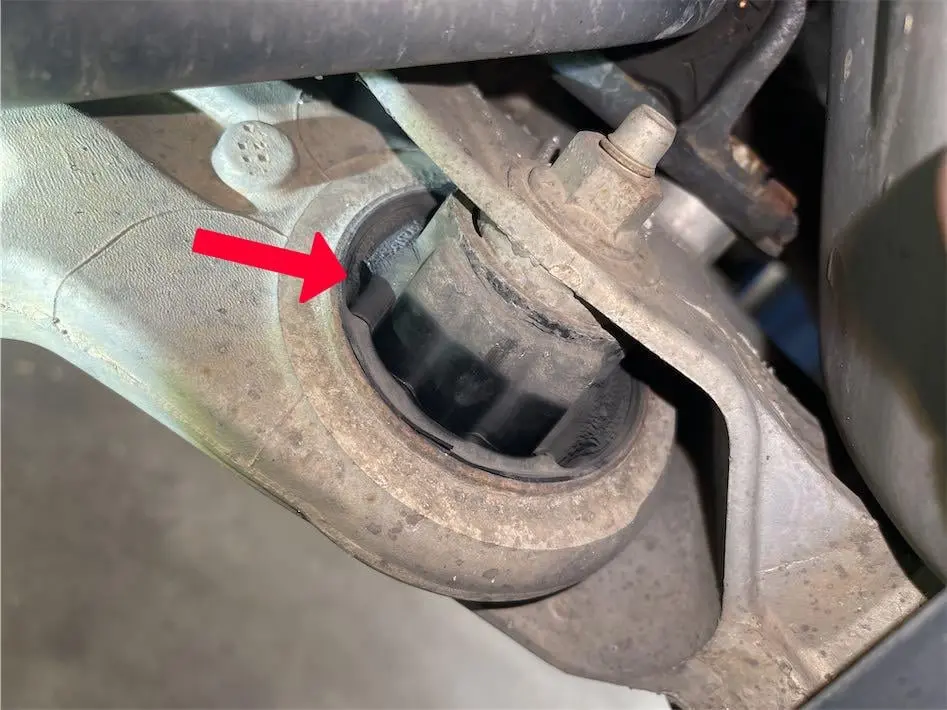
- Look for cracked, torn, or deteriorated rubber bushings on control arms and sway bar links.
- Examine strut mounts for visible damage or excessive play.
- Inspect tires for scalloped or cupped wear patterns, which often indicate worn shocks.
If symptoms persist or are severe—such as a noticeable loss of control or a knocking that worsens—seek a professional diagnosis. Driving with worn suspension not only compromises safety but can also damage other components like tires and wheel bearings.
OEM vs Aftermarket Kia Suspension Parts: Quality and Safety Considerations
OEM (Original Equipment Manufacturer) parts are made by the same supplier that provides parts to Kia's factories. They offer exact fit, factory-quality materials, and are backed by Kia's warranty. However, they are typically more expensive and may have limited warranty coverage (often 12 months/12,000 miles).
Aftermarket parts are produced by third-party manufacturers. They are generally more affordable and can sometimes exceed OEM quality if sourced from a reputable brand. However, quality varies significantly—some aftermarket parts may use inferior materials or lack proper testing, leading to premature failure or safety risks.
Safety considerations: Critical components like control arms, struts, and bushings must meet or exceed OEM standards. A poorly made control arm can fail catastrophically, causing loss of steering control. When evaluating aftermarket parts, look for:
- Certifications: ISO/TS 16949 or IATF 16949 indicate a quality management system.
- Testing standards: Reputable manufacturers conduct durability, salt spray, and fitment testing.
- Reviews and track record: Check independent reviews and industry reputation.
For example, our automotive suspension components are designed to meet or exceed OEM specifications, with rigorous quality control at every stage.
How to Choose a Kia Suspension Parts Manufacturer: Quality Standards, Testing, and Certifications
When selecting a manufacturer, use these objective criteria to ensure you're getting a reliable product:
- Certifications: Look for ISO/TS 16949 or IATF 16949 certification. These are international standards for automotive quality management, ensuring consistent processes and traceability.
- Testing and validation: Ask about durability testing (e.g., cyclic loading), salt spray testing for corrosion resistance, and fitment verification on actual vehicles. A manufacturer that invests in testing is more likely to produce reliable parts.
- Transparency: Reputable manufacturers publish detailed specifications, including material grades (e.g., steel type for control arms) and warranty terms. If a manufacturer is vague about materials or testing, be cautious.
- Track record: Look for aftermarket brands with a proven history in the industry. Established brands have more to lose from poor quality and are more likely to stand behind their products.
At our manufacturing facility, we adhere to strict quality control processes, including 100% inspection of critical dimensions and material verification. Our quality control procedures ensure every part meets or exceeds OEM standards.
Cost Considerations for Kia Suspension Replacement
Suspension replacement costs vary widely based on part type and brand. On average:
- Struts: OEM $150–$300 each; aftermarket $80–$200.
- Control arms: OEM $100–$250; aftermarket $50–$150.
- Bushings: OEM $20–$50 each; aftermarket $10–$30.
Labor costs for professional installation typically range from $100–$200 per hour, and a typical suspension job (e.g., replacing front struts) takes 2–4 hours. DIY installation saves labor costs but requires specialized tools like spring compressors and torque wrenches.
Long-term cost implications: Cheaper aftermarket parts may wear faster, leading to more frequent replacements. For example, a $50 control arm that fails in 20,000 miles costs more in the long run than a $150 OEM part lasting 60,000 miles. Factor in the cost of repeated labor and potential damage to other components.
Consider the total cost of ownership, not just the upfront price. For critical safety components, investing in higher-quality parts is often more economical over time.
Warranty and Support for Aftermarket Suspension Parts
Warranty terms vary significantly between OEM and aftermarket parts. OEM parts typically come with a 12-month/12,000-mile warranty, while many aftermarket manufacturers offer 2–3 years or even lifetime warranties. However, warranties usually cover defects in materials and workmanship, not normal wear and tear.
What to look for in a warranty:
- Coverage period: Longer is better, but read the fine print.
- What's covered: Ensure it includes both parts and labor, if applicable.
- Claim process: Keep your receipt and contact the manufacturer directly. Some require pre-authorization or return of the defective part.
Importance of responsive customer support: A manufacturer that is easy to reach and quick to resolve issues is invaluable. Check reviews for customer service experiences before purchasing.
For example, our Rear Trailing Arm Bushing comes with a 2-year warranty against defects, and our support team is available to assist with any issues.
Installation Best Practices: DIY vs Professional
Assess your skill level: Suspension work requires mechanical knowledge, proper tools (e.g., torque wrench, spring compressor), and safety precautions. If you're not confident, hire a professional.
Safety precautions:
- Always use jack stands—never rely on a jack alone.
- Follow factory torque specs for all bolts. Over-tightening can strip threads or damage bushings; under-tightening leads to premature failure.
- After installation, get a wheel alignment to ensure proper tire wear and handling.
Common pitfalls:
- Not replacing related components like strut mounts or bump stops when replacing struts.
- Using impact wrenches on bolts that require precise torque.
- Ignoring alignment after suspension work, which can cause uneven tire wear and poor handling.
When to hire a professional: If the job is complex (e.g., rear suspension on some Kia models), or if you lack the tools or experience, professional installation is worth the cost to avoid mistakes.
Maintenance and Longevity: Extending the Life of Your Kia Suspension
Regular maintenance can significantly extend the life of your suspension components. Follow these tips:
- Inspect regularly: Check for leaks, wear, and damage every 12,000 miles or annually. Look for cracked bushings, leaking shocks, and loose components.
- Drive carefully: Avoid potholes and rough roads when possible. Slow down over speed bumps to reduce stress on suspension.
- Maintain tires: Proper inflation and rotation prevent uneven wear that stresses suspension components.
- Replace worn parts promptly: Worn bushings or shocks can damage other parts like tires and wheel bearings, leading to costlier repairs.
By staying proactive, you can avoid unexpected failures and extend the life of your suspension system.
Frequently Asked Questions
Q: How long do Kia suspension parts typically last?
A: It varies, but shocks and struts generally last 50,000–100,000 miles, while bushings may last 60,000–100,000 miles depending on driving conditions.
Q: Can I use aftermarket parts without voiding my Kia warranty?
A: Yes, as long as the parts are not defective and are installed correctly. The Magnuson-Moss Warranty Act protects consumers from warranty voidance due to aftermarket parts unless the part caused the damage.
Q: What is the difference between a strut and a shock absorber?
A: A strut is a structural component that also serves as a shock absorber, while a shock absorber is a separate component. Many Kia models use struts in the front and shocks in the rear.
Q: How do I know if a control arm is bad?
A: Symptoms include clunking noises, uneven tire wear, and steering wander. A visual inspection may reveal worn bushings or ball joints.
Conclusion and Next Steps
Choosing the right Kia suspension parts manufacturer is a balance of cost, quality, and safety. Prioritize manufacturers with proper certifications, transparent testing, and solid warranties. Whether you choose OEM or aftermarket, ensure the parts meet or exceed OEM standards for critical components.
For reliable, high-quality suspension parts, explore our automotive suspension components or learn more about our manufacturing facility and quality control processes. If you have questions, our team is ready to help you find the right parts for your Kia.