How to Choose an Automotive Suspension Parts Supplier: A Manufacturer's Insider Guide
The cheapest quote often leads to higher total costs due to returns, downtime, and reputation damage. When you source suspension parts, you're not just buying a component; you're betting your business on its reliability. A single batch of defective control arms can trigger warranty claims, customer churn, and costly rework. To avoid these pitfalls, you need a structured evaluation framework that goes beyond price. This guide provides a manufacturer's perspective on what to look for in a supplier, drawing on decades of experience in producing automotive suspension components.
OEM vs. Aftermarket Suppliers: Pros and Cons from a Manufacturer's Perspective
OEM suppliers offer guaranteed fit and quality but at a premium and with limited flexibility. They are often tied to specific vehicle models and have strict production schedules, making them less responsive to custom orders or small batches. Aftermarket suppliers, on the other hand, offer cost savings and a wider variety of products, but they require careful vetting to ensure quality. From a manufacturer's perspective, aftermarket suppliers can match OEM quality if they follow proper processes and certifications. For instance, our facility produces aftermarket control arms that meet or exceed OEM specifications, using the same materials and testing protocols. When evaluating aftermarket suppliers, ask about their engineering background, testing procedures, and whether they have experience with your specific vehicle applications.
Quality Certifications and Standards: What They Really Mean for Buyers
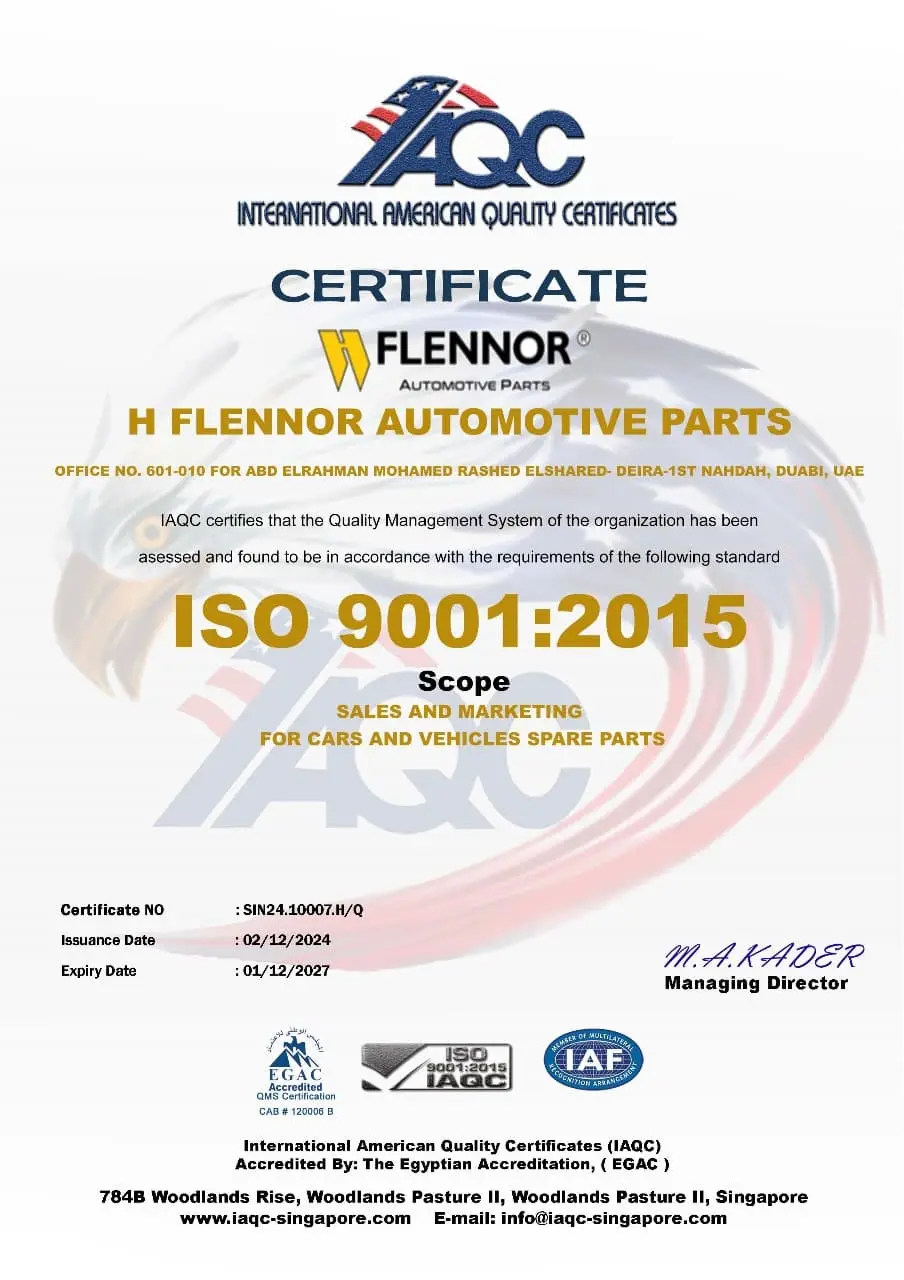
ISO 9001 ensures consistent quality management processes, but it's not automotive-specific. IATF 16949, on the other hand, is the gold standard for automotive suppliers, incorporating stringent requirements for defect prevention and supply chain management. These certifications are not just badges; they indicate a supplier's commitment to quality and continuous improvement. For example, a supplier with IATF 16949 certification has demonstrated robust processes for traceability, risk management, and customer focus. When evaluating a supplier, ask for their certificates and verify them with the issuing bodies. Also, check if they have additional certifications like ISO 14001 for environmental management, which can be a sign of a forward-thinking operation.
Evaluating Manufacturing Processes: From Raw Material to Finished Product
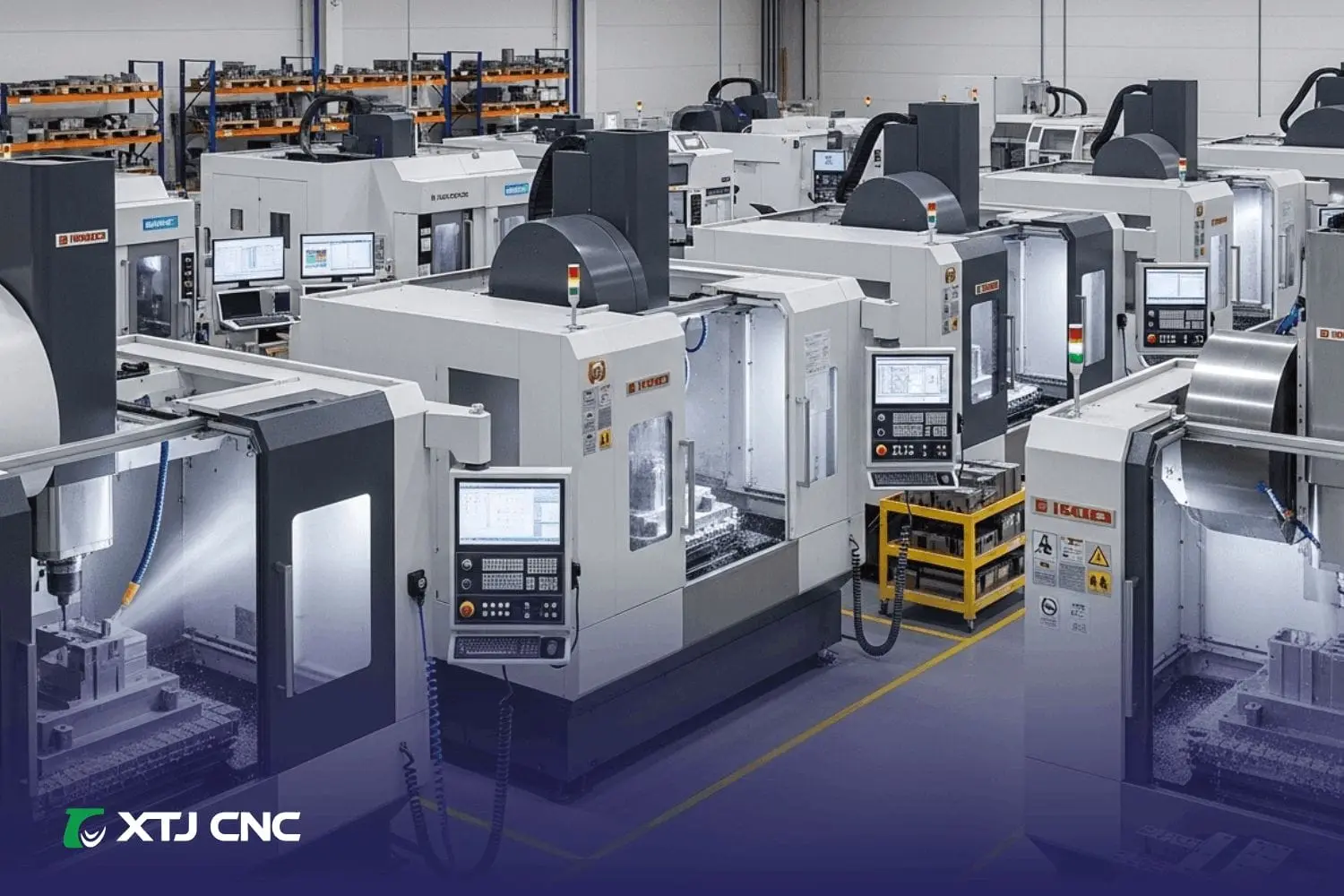
Key processes in suspension parts manufacturing include forging, heat treatment, machining, surface treatment, assembly, and testing. Each stage has quality control checkpoints to ensure consistency. For instance, control arms undergo rigorous dimensional checks after machining and are tested for fatigue and corrosion resistance. A transparent supplier will welcome audits and share their process documentation. Look for suppliers who invest in modern CNC machines and automated inspection systems, as these reduce human error and increase repeatability. Our manufacturing facility uses state-of-the-art equipment and in-house testing to ensure every part meets specifications. When visiting a supplier, pay attention to housekeeping, maintenance schedules, and whether they have a dedicated quality control team.
Cost Considerations: Calculating Total Cost of Ownership, Not Just Price
Total cost of ownership includes purchase price, shipping, customs, returns, warranty claims, and lost sales due to poor quality. A slightly higher upfront cost can save money in the long run if it reduces failure rates. For example, a control arm that costs $10 more but lasts twice as long is a better investment. Request samples and conduct your own testing to predict long-term performance. Also, consider the cost of downtime: if a shipment arrives late or with defects, your production line stops, and that costs money. When comparing quotes, ask for a breakdown of all costs, including packaging, freight, and insurance. Don't be swayed by low unit prices that hide hidden fees.
Warranty and Return Policies: What to Look For and Red Flags
A solid warranty (e.g., 1-3 years) indicates supplier confidence in their product. Clear return policies for defective parts are essential. Red flags include vague warranties, restocking fees, or difficult claims processes. A supplier that stands behind their products will have a straightforward warranty policy and a responsive claims team. For example, we offer a comprehensive warranty on our Large suspension bushing and other parts, and we handle returns quickly. When evaluating a supplier, ask for their warranty terms in writing and test their claims process by asking hypothetical scenarios. Avoid suppliers who are evasive about returns or who require you to pay for return shipping on defective items.
Logistics and Shipping: Lead Times, MOQs, and Global Considerations
Lead times vary by supplier and order size; typical lead times for suspension parts range from 2-8 weeks. Minimum order quantities (MOQs) can affect flexibility; find a balance that suits your inventory needs. Global shipping considerations include customs, duties, and Incoterms. A supplier with efficient logistics can reduce your inventory carrying costs and ensure timely delivery. For instance, our warehouse is stocked to handle orders of various sizes, and we ship worldwide with clear Incoterms. When evaluating a supplier, ask about their average lead times, their ability to expedite orders, and their experience with international shipping. Also, check if they have distribution centers in your region to reduce shipping times and costs.
Customization Capabilities: How to Assess if a Supplier Can Meet Your Specific Needs
Assess engineering capabilities: CAD, prototyping, testing. Check if they can handle custom materials, finishes, or designs. Ask for case studies or examples of past custom projects. A supplier with in-house engineering can help you develop parts that meet your exact specifications, whether it's a unique bushing compound or a modified control arm geometry. For example, we have a team of engineers who work with clients to develop custom suspension components, from initial design to production. When evaluating a supplier, ask about their design process, their ability to create prototypes quickly, and their experience with similar custom projects. Avoid suppliers who outsource all engineering or who are reluctant to share their capabilities.
Technical Support and After-Sales Service: The Hidden Value of a Partner
Technical support helps with installation issues, troubleshooting, and product selection. After-sales service includes warranty handling, replacement parts, and responsiveness. Evaluate communication channels and response times. A supplier that offers excellent technical support can save you time and money by helping you avoid installation errors and choose the right parts for your application. For instance, our team is available to answer questions about fitment and installation, and we provide detailed product documentation. When evaluating a supplier, ask for their response time to inquiries and whether they have a dedicated support team. Also, check if they offer installation guides, videos, or other resources that can help your customers.
Your Supplier Evaluation Checklist: From Initial Contact to Long-Term Partnership
Step-by-step checklist: research, request samples, audit, test, negotiate terms, and establish communication. Include questions to ask at each stage. Emphasize the importance of building a relationship, not just a transaction. Start by researching potential suppliers online and checking their certifications and customer reviews. Request samples of their products and test them for fit and quality. If possible, audit their facility to see their manufacturing processes firsthand. Negotiate terms that protect you, such as favorable payment terms and clear warranty conditions. Finally, establish open lines of communication and maintain regular contact to ensure a smooth partnership. Remember, a good supplier is a partner in your success, not just a vendor.
FAQ
What is the most important factor when choosing a suspension parts supplier?
Quality and reliability are paramount. A supplier with robust quality control and certifications like IATF 16949 is more likely to deliver consistent parts that meet specifications.
How can I verify a supplier's certifications?
Ask for copies of their certificates and verify them with the issuing bodies. You can also check if they are listed in databases like IATF's global oversight.
What are typical lead times for suspension parts?
Lead times vary, but 2-8 weeks is common. Custom orders may take longer. Always confirm lead times before placing an order.
Can aftermarket parts be as good as OEM?
Yes, if the supplier follows proper manufacturing processes and uses quality materials. Look for aftermarket suppliers with automotive-specific certifications and a track record of reliability.
What should I do if I receive defective parts?
Contact the supplier immediately and follow their return process. A reputable supplier will have a clear policy for handling defects and will replace or refund promptly.