Buying Aftermarket Suspension Parts Wholesale: A Buyer's Guide to Suppliers, MOQs, and Logistics
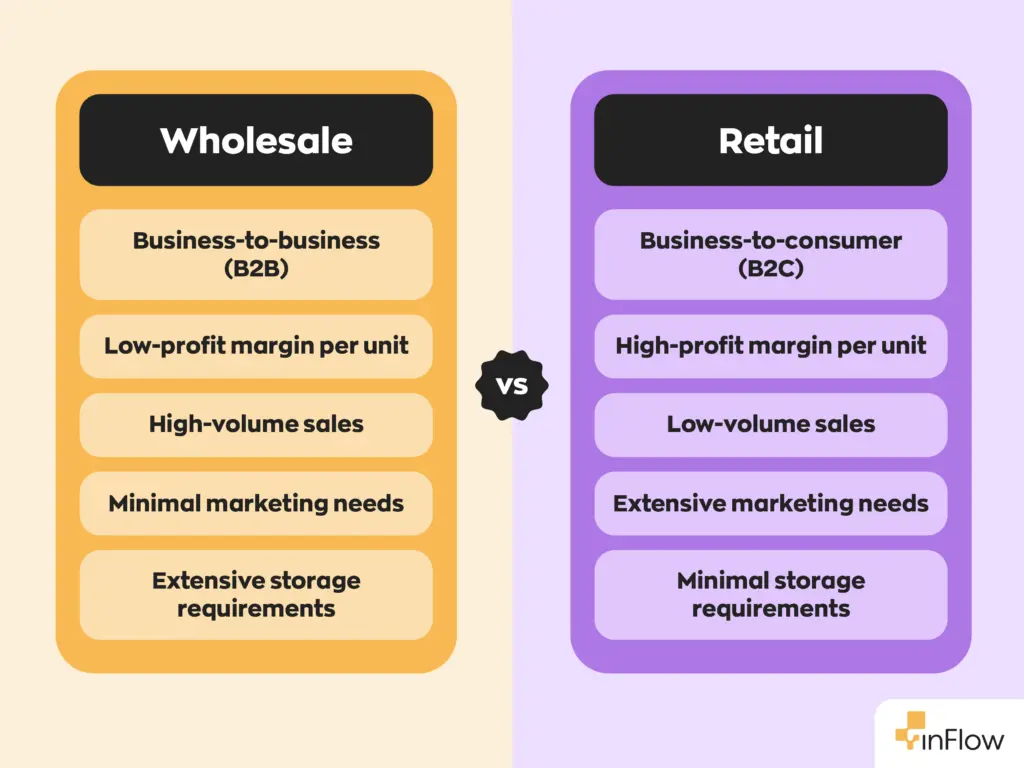
When you buy aftermarket suspension parts wholesale, you're not just looking for the lowest price per unit—you're entering a partnership that affects your inventory, cash flow, and reputation. The key is to find a supplier that balances cost with reliability, quality, and support. This guide walks you through the critical steps: evaluating suppliers, understanding MOQs and pricing, managing warranties and returns, and planning logistics. By the end, you'll have a clear framework for making smart bulk purchases.
What to Look for in a Wholesale Suspension Parts Supplier
The first step is to vet potential suppliers beyond their price list. A supplier that offers rock-bottom prices but fails on quality or communication will cost you more in the long run. Here's what to check:
- Quality certifications and testing standards: Look for suppliers that adhere to recognized quality management systems like ISO/TS 16949 (now IATF 16949). This certification indicates that the supplier has robust processes for consistent quality. Additionally, ask about their product testing procedures—do they test for durability, corrosion resistance, and fitment? A supplier that invests in testing is less likely to ship defective parts.
- Consistency across batches: Even if a supplier's first sample looks great, you need to know if the 10th batch will match. Ask for references or order a small trial batch to assess consistency. Check if they have a documented process for quality control at every stage of production.
- Track record and reputation: Research the supplier's history. How long have they been in business? Do they have a strong presence in the aftermarket industry? Look for reviews, testimonials, or case studies from other buyers. A supplier with a solid track record is more likely to honor commitments.
- Responsiveness and transparency: Communication is critical. How quickly do they respond to inquiries? Are they upfront about lead times, pricing, and potential issues? A supplier that hides problems or delays communication will be a headache. Test their responsiveness before committing to a large order.
Understanding MOQs and Pricing Tiers for Suspension Parts
Minimum order quantities (MOQs) are a reality in wholesale. They vary by product type and supplier, and they directly impact your cash flow and inventory strategy. Here's how to navigate them:
- Typical MOQ ranges: For suspension components like control arms, struts, and bushings, MOQs can range from as low as 10 units for common parts to 100+ for less common ones. For example, a supplier might require a MOQ of 50 control arms per SKU, while bushings might have a MOQ of 100. Always ask for the MOQ for each part you're interested in.
- Pricing tiers: Wholesale pricing typically scales with volume. The more you order, the lower the per-unit cost. For instance, a control arm might cost $30 each for 50 units, but drop to $25 each for 200 units. Understand the tier structure—often there are breakpoints at 50, 100, 200, 500, etc. Use this to plan your orders to maximize discounts without overstocking.
- Negotiation strategies: Don't accept the first price. If you're committing to a large volume or a long-term contract, you can negotiate better terms. Ask for a price break at a slightly higher quantity than you initially planned. Also, consider consolidating orders for multiple parts to reach a higher tier. However, never sacrifice quality for a lower price—a cheap part that fails will cost you more in returns and reputation.
- Impact on cash flow and inventory: MOQs tie up capital. If you order 200 control arms at $25 each, that's $5,000 in inventory. Ensure you have the storage space and the sales channel to move that volume. Use inventory management software to track stock levels and reorder points. Avoid ordering more than you can sell in a reasonable time, as it ties up cash and risks obsolescence.
Warranty and Return Policies: What to Expect When Buying Wholesale
Warranty and return policies are your safety net. When buying in bulk, you need clear terms to protect your business from defective parts and disputes. Here's what to look for:
- Standard warranty terms: Most wholesale suppliers offer a 1-year warranty on suspension parts, though some may offer lifetime warranties on certain components like bushings. Always confirm the warranty period and what it covers—parts only, or also labor? Some suppliers may require you to return the defective part before they ship a replacement.
- Return policies for defective or damaged parts: Understand the process for returning defective items. Are there restocking fees? Typically, for defective parts, the supplier should cover return shipping and provide a replacement or credit. For non-defective returns (e.g., you ordered the wrong part), there may be a restocking fee of 15-25%. Clarify this before ordering.
- Documenting and processing warranty claims: Keep detailed records of your purchases, including invoices, part numbers, and batch numbers. If a part fails, document the issue with photos and a description. Most suppliers require a Return Merchandise Authorization (RMA) before you ship anything back. Follow their process exactly to avoid delays.
- Importance of clear policies in the supplier contract: Before signing a contract, ensure the warranty and return policies are explicitly stated. If they're not, ask for them in writing. A verbal promise is not enough. A clear contract protects both parties and prevents misunderstandings.
Shipping Costs and Logistics for Wholesale Suspension Parts Orders
Shipping is often where hidden costs appear. Suspension parts are heavy and bulky, so logistics can significantly impact your total cost. Here's how to plan:
- Factors influencing shipping costs: Weight, volume, destination, and shipping method all affect cost. A pallet of control arms will cost more to ship than a box of bushings. International shipments also incur customs duties and taxes. Get quotes from multiple freight forwarders to compare.
- Shipping options: For wholesale, you typically have three main options:
- Sea freight: The most cost-effective for large volumes, but slow (30-45 days). Ideal for orders that aren't urgent.
- Air freight: Faster (5-10 days) but more expensive. Use for urgent restocks or high-value items.
- Courier (e.g., DHL, FedEx): Fastest for small packages, but cost-prohibitive for large orders. Use for samples or small urgent orders.
- Estimating landed costs: Landed cost = product cost + shipping + insurance + customs duties + taxes. Duties vary by country and part classification. Use a customs broker to get accurate estimates. Always factor in these costs when comparing supplier quotes.
- Incoterms: Understand Incoterms (e.g., EXW, FOB, CIF). They define who pays for shipping, insurance, and customs. For example, with FOB (Free On Board), the supplier covers costs until the goods are on the ship, and you take responsibility from there. Choose terms that align with your logistics capabilities.
Key Product Categories and Quality Considerations in Aftermarket Suspension
Knowing the main suspension components and what to look for in quality helps you make informed decisions. Here's an overview:
- Major components: The key categories include:
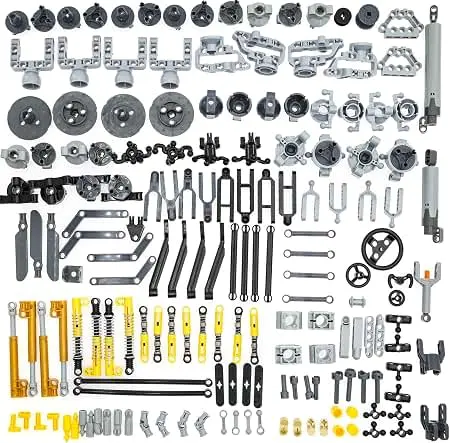
- Control arms: These connect the wheel hub to the vehicle frame. They come in various designs (e.g., A-arm, wishbone). Quality indicators include the material (steel or aluminum) and the manufacturing process (forged vs. cast). Forged arms are generally stronger but more expensive.
- Struts and shocks: These dampen road impacts and control spring movement. Look for proper gas pressure, seal quality, and piston rod finish. A reputable supplier will have consistent performance across batches.
- Bushings: These are rubber or polyurethane components that reduce vibration and noise. Quality is determined by the material (rubber vs. polyurethane) and the durometer (hardness). OEM-grade rubber bushings offer a comfortable ride, while polyurethane provides better handling but more NVH.
- Sway bars: Also known as anti-roll bars, they reduce body roll during cornering. Quality depends on the steel grade and the manufacturing process (solid vs. hollow).
- Quality indicators: Look for materials that match OEM specifications. For example, if the OEM part uses a specific grade of steel, the aftermarket part should too. Check the finish—powder coating or e-coating prevents rust. Also, verify that the part meets OEM fitment specifications. A part that doesn't fit perfectly will cause installation issues and returns.
- Balancing cost and quality: Not all parts need to be premium. For high-wear items like bushings, you might opt for a mid-range quality to keep costs down. For critical safety components like control arms, invest in higher quality. Understand the trade-offs and choose accordingly.
Building a Long-Term Relationship with Your Wholesale Supplier
A long-term supplier relationship can yield better pricing, priority support, and consistent supply. Here's how to foster it:
- Benefits: Long-term partners often offer volume discounts, early access to new products, and faster response times. They also understand your business and can anticipate your needs.
- Establishing trust: Start with a small order to test the waters. Communicate openly about your expectations and challenges. Pay on time to build credibility. If issues arise, address them constructively.
- Leveraging annual contracts or volume commitments: If you have predictable demand, consider signing an annual contract with a committed volume. This can secure better pricing and ensure supply. Just make sure the contract includes flexibility for changes in demand.
- Regular performance reviews: Schedule periodic reviews to discuss quality, delivery, and pricing. Provide feedback on what's working and what isn't. This helps the supplier improve and strengthens your partnership.
Common Mistakes to Avoid When Buying Suspension Parts Wholesale
Avoid these pitfalls to save time and money:
- Choosing the cheapest supplier without vetting quality: Low prices often mean low quality. A cheap control arm that fails after 10,000 miles will cost you more in warranty claims and lost customers.
- Ignoring MOQ implications on cash flow: Ordering too much to hit a lower price can strain your cash flow and lead to dead stock. Always calculate your actual demand before committing.
- Overlooking warranty and return policy details: Not knowing the return process can leave you stuck with defective parts. Always read the fine print.
- Failing to plan for shipping and customs costs: Unexpected freight and duties can eat into your margins. Always get a landed cost estimate before ordering.
Conclusion
Buying aftermarket suspension parts wholesale is a strategic process. By evaluating suppliers on quality and reliability, understanding MOQs and pricing tiers, clarifying warranty and return policies, and planning logistics, you can build a profitable supply chain. Start with a small order, test your supplier, and gradually increase volume as trust grows. With the right approach, you'll secure a reliable source of parts that keeps your business moving.
For a wide range of quality automotive suspension components, including control arms and bushings, check out our manufacturing facility and quality control processes. Learn more about our company and how we can support your wholesale needs.