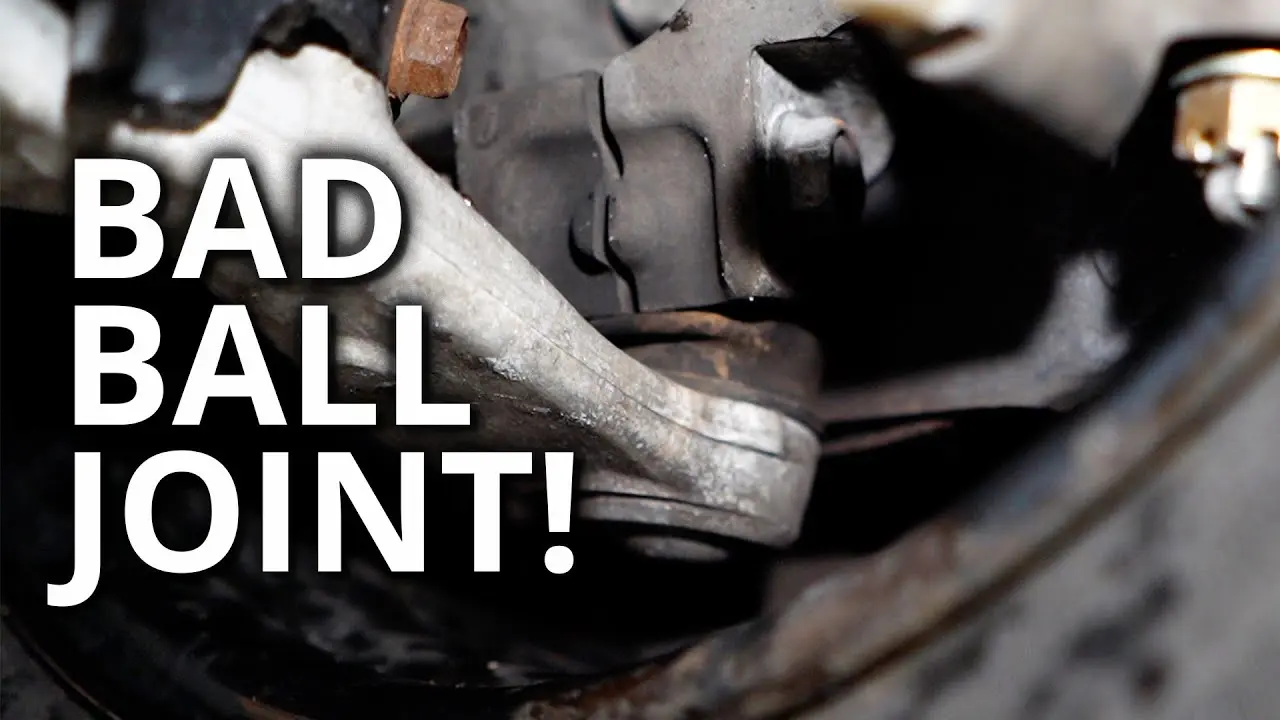
How to Check if a Ball Joint Is Bad: Symptoms and Inspection Guide
Immediate Signs: What Does a Bad Ball Joint Sound and Feel Like?
A failing ball joint typically announces itself with a clunking or knocking noise from the front suspension, especially when driving over bumps or during turns. This noise occurs because excessive play allows metal-to-metal contact within the joint. You may also notice uneven or excessive tire wear, often scalloped or cupped on one edge, due to the wheel's unstable alignment. Steering wheel play or looseness is another common symptom—the wheel may feel vague, and the car may wander at highway speeds. Some drivers experience vibrations in the steering wheel or floorboard that worsen with speed. If you notice any of these signs, perform a thorough inspection before further driving.
How to Inspect Ball Joints: Step-by-Step Methods
Preparation and Safety
Park on level ground, engage the parking brake, and chock the rear wheels. Safely support the vehicle with jack stands—never rely on a jack alone. For front ball joints, lift the front of the car so the suspension hangs freely.
Visual Inspection
Inspect the ball joint boots for cracks, tears, or missing grease. A torn boot allows dirt and moisture in, accelerating wear. Look for grease leakage around the joint, which indicates a compromised seal. Also check for rust or corrosion on the joint body, which can weaken the housing.
Checking for Play (Wheel Off Ground Method)
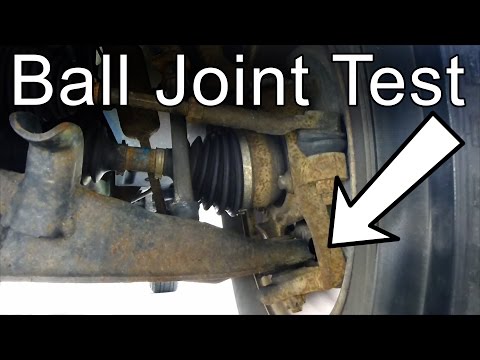
With the wheel off the ground, grasp the tire at the 6 and 12 o'clock positions and rock it in and out. Have an assistant watch the ball joint for movement. Any visible play indicates wear. For a more precise check, use a pry bar under the tire to apply leverage while observing the joint.
Using a Pry Bar for Precise Measurement
For accurate measurement, use a dial indicator or a ruler. Place the dial indicator's tip against the lower control arm near the ball joint, then pry the tire upward. Measure the vertical movement. Compare this to the manufacturer's specification—typically 0.050 inch (1.27 mm) or less for vertical play. If play exceeds this, replacement is necessary.
Checking Upper vs Lower Ball Joints
On vehicles with both upper and lower ball joints, check each separately. Lower ball joints bear more load and wear faster. For upper ball joints, the same procedure applies, but note that some are load-bearing and some are not—consult your service manual for specifics.
Interpreting Play Measurements: Safe vs. Unsafe Thresholds
Manufacturer specifications for maximum allowable play vary, but 0.050 inch is a common limit for vertical play. Axial play (along the joint's axis) is less critical than radial play (perpendicular to the axis), but any play beyond spec is unsafe. If play exceeds the threshold, replace the ball joint immediately, even if symptoms are mild. A ball joint can fail suddenly, causing the wheel to collapse and leading to a serious accident. When measuring, ensure the suspension is at normal ride height (not fully extended) to get an accurate reading.
Ball Joint vs. Other Suspension Noises: Differential Diagnosis
Wheel Bearing vs. Ball Joint
A failing wheel bearing typically produces a humming or growling noise that changes with speed and cornering, not a clunk. To test, drive at highway speeds and swerve slightly—if the noise changes with lateral load, it's likely a bearing. Jack up the wheel and check for play by rocking the tire at 3 and 9 o'clock positions; ball joint play is more evident at 6 and 12.
Sway Bar End Links vs. Ball Joint
Sway bar links often cause a clunking over bumps, but the noise is usually more pronounced on one side and may be accompanied by a metallic rattle. Inspect the links for loose or broken ends. To differentiate, disconnect the sway bar link and retest—if the noise disappears, the link is the culprit.
Tie Rod Ends
Tie rod wear causes steering play and a clunk when turning. Check for play by grasping the tie rod and attempting to move it up and down; any movement indicates wear. Ball joint play is more vertical, while tie rod play is horizontal.
Safety Risks and Consequences of Ball Joint Failure
A failed ball joint can cause the wheel to collapse, leading to loss of control and a serious accident. Driving with excessive play accelerates wear on other suspension components, including tires, control arms, and steering linkages. Signs of imminent failure include severe clunking, visible movement in the joint, or a wheel that tilts when jacked. If you suspect a bad ball joint, do not drive the vehicle until it's inspected and repaired. The cost of replacement is far less than the cost of an accident.
Replacement Costs and DIY vs. Professional Repair
Ball joint replacement costs vary by vehicle and labor rates. Parts typically range from $50 to $200 per joint, while labor adds $100 to $300 per joint if done professionally. DIY replacement is moderate to high difficulty, requiring special tools like a ball joint press or pickle fork. If you have the tools and experience, DIY can save money, but professional replacement is safer if you're unsure. After replacing ball joints, a wheel alignment is necessary, adding $50 to $100 to the total cost. Consider the total cost when deciding between DIY and professional service.
Choosing Quality Replacement Parts: OEM vs. Aftermarket
OEM parts are guaranteed to fit and meet original specifications, but they may be more expensive. Aftermarket parts vary in quality; look for reputable brands that meet or exceed OEM standards. Consider factors like material (forged vs. stamped), grease fittings (some allow future lubrication), and warranty. Check for certifications like ISO or TS16949, and read reviews from other buyers. For Hyundai and Kia vehicles, our automotive suspension components include control arms and bushings that meet OEM specs. Visit our manufacturing facility to see our quality control processes, or learn about our company.
Frequently Asked Questions
How long do ball joints last?
Ball joints typically last 70,000 to 150,000 miles, but this varies with driving conditions and vehicle type. Regular inspection is key.
Can I drive with a bad ball joint?
No. Driving with a worn ball joint is dangerous because it can fail suddenly, causing loss of control. Have it inspected and replaced immediately.
How much does it cost to replace a ball joint?
Expect to pay $150 to $500 per joint including parts and labor, depending on the vehicle and whether you DIY. Alignment adds $50 to $100.
What tools do I need to check ball joints?
You'll need a jack, jack stands, a pry bar or dial indicator, and basic hand tools. A ball joint press is needed for replacement.
How do I know if it's a ball joint or tie rod?
Ball joint play is vertical (6 and 12 o'clock), while tie rod play is horizontal (3 and 9 o'clock). Perform the respective tests to isolate the component.
Conclusion: Take Action for a Safer Ride
A bad ball joint is a serious safety issue that requires immediate attention. By recognizing the symptoms and performing a thorough inspection, you can determine if replacement is necessary. Use the measurement thresholds to decide, and don't drive on a worn joint. Whether you DIY or hire a professional, choose quality parts that meet OEM standards. Regular inspection and timely replacement will keep your suspension safe and reliable.