How Suspension Bushings Affect Vehicle Handling and Ride Comfort
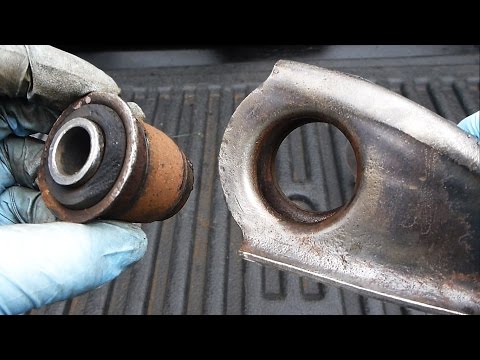
Suspension bushings are the critical link between your vehicle's suspension arms and chassis, controlling wheel alignment under load and isolating the cabin from road vibrations. When they wear, they don't just cause noise—they compromise handling, accelerate tire wear, and stress other suspension components. This article explains how bushings affect handling and comfort, how to diagnose wear, and how to choose between rubber and polyurethane replacements.
The Hidden Link: Bushing Compliance and Wheel Alignment
Bushings are designed to allow controlled movement while maintaining alignment under load. They are rubber or polyurethane components that sit between suspension arms and the chassis, permitting slight deflection to absorb road shocks while keeping the wheels in proper alignment. When new, they provide a balance between compliance and rigidity, ensuring that camber, caster, and toe remain within spec during cornering, braking, and acceleration.
Worn bushings introduce excessive compliance, causing these alignment angles to shift dynamically. For example, a worn lower control arm bushing allows the wheel to move rearward under braking, reducing caster. This makes the steering feel vague and the vehicle wander. Similarly, excessive movement in a front bushing can cause toe to change, leading to rapid tire wear. The result is not just poor handling—it's a safety concern.
Misalignment from worn bushings accelerates tire wear and stresses other components like ball joints and tie rods. The tires scrub, creating uneven wear patterns, and the suspension geometry is compromised, putting additional load on joints that were not designed to handle it.
Symptoms of Worn Bushings: Beyond Noise and Vibration
Worn bushings manifest in several ways, but symptoms vary by location. Common signs include clunking noises over bumps, vague steering, wandering, uneven tire wear, and excessive body roll. For example, a worn control arm bushing often produces a clunk when accelerating or braking, while a sway bar bushing may cause a rattle over uneven surfaces.
Differentiating bushing wear from ball joint or tie rod wear is crucial. Ball joints typically produce a clicking or popping sound when turning, and tie rods cause steering play that is more pronounced at low speeds. Bushing wear, on the other hand, often results in a dull thud and a feeling of instability during cornering.
Some symptoms only appear under load. For instance, a bushing that looks fine at rest may allow excessive movement when the suspension is compressed during hard cornering. This is why a visual inspection alone is insufficient—you need to check for movement with a pry bar.
Rubber vs. Polyurethane Bushings: A Trade-Off Between Comfort and Performance
Rubber bushings are the OEM standard. They absorb vibration well, providing a comfortable ride, but they wear faster and allow more compliance. This compliance is what makes the ride smooth, but it also means less precise handling. Rubber bushings typically last 50,000 to 100,000 miles, depending on driving conditions.
Polyurethane bushings are stiffer, offering less compliance and better handling precision. They transmit more noise and vibration, which can be harsh for daily driving. However, they last longer and maintain their shape better under stress. Polyurethane is available in different durometers (hardness ratings), which affect ride quality. A softer durometer (e.g., 80A) provides a more comfortable ride, while a harder durometer (e.g., 95A) offers maximum performance but more NVH.
For daily drivers, rubber is often the best choice due to comfort. For performance or off-road use, polyurethane provides the durability and precision needed. However, polyurethane bushings may require more maintenance—they can squeak if not properly lubricated, and they may need periodic re-lubrication.
Diagnosing Bushing Wear: A Practical Guide for Mechanics and DIYers
Diagnosing bushing wear requires a systematic approach. Start with a visual inspection: look for cracks, tears, or bulges in rubber bushings. For polyurethane, check for separation from the metal sleeve or excessive play.
Use a pry bar to check for excessive movement in control arm and sway bar bushings. With the vehicle on a lift, insert the pry bar between the bushing and the frame, and apply pressure. If there is more than a small amount of movement (typically 1/8 inch or less), the bushing is worn.
Listen for clunks during a bounce test or while driving over bumps. Have an assistant bounce the vehicle while you listen underneath. A clunking sound often indicates a worn bushing.
Check alignment readings: abnormal camber or toe may indicate worn bushings. If the alignment is off and the components are not bent, bushings are likely the culprit.
Differentiate between control arm, sway bar, and trailing arm bushing wear. Control arm bushings affect alignment and steering, sway bar bushings affect body roll, and trailing arm bushings affect rear suspension stability.
The Domino Effect: How Worn Bushings Accelerate Wear on Other Components
Ignoring worn bushings leads to premature failure of ball joints, tie rods, and tires. Excessive bushing movement causes misalignment, which puts extra stress on ball joints and tie rods. For example, a worn lower control arm bushing can cause the ball joint to move beyond its designed range, accelerating wear.
Misalignment also leads to uneven tire wear, reducing tire life. The tires may wear on the inner or outer edges, depending on the alignment change. This not only costs money in premature tire replacement but also compromises safety.
Vibration from worn bushings can loosen other fasteners and accelerate wear on suspension components. The constant movement and vibration can cause bolts to back out, leading to more serious issues.
A case example: a worn lower control arm bushing can cause the ball joint to fail prematurely. The ball joint is designed to operate within a certain range of motion, and excessive bushing movement pushes it beyond that range, causing accelerated wear and eventual failure.
Replacement Intervals and Preventive Maintenance: What Manufacturers Recommend
Typical replacement intervals for rubber bushings are every 50,000 to 100,000 miles. Polyurethane bushings can last longer, often 100,000 miles or more, depending on the durometer and driving conditions.
Inspect bushings during routine maintenance, such as oil changes or tire rotations. Look for cracks, tears, or excessive movement. If you notice any signs of wear, replace them promptly.
Consider driving conditions: off-road, towing, or harsh climates accelerate wear. If you frequently drive on rough roads or carry heavy loads, you may need to replace bushings more often.
Always replace bushings in pairs (e.g., both control arms) to maintain balance. Replacing only one side can cause uneven handling and alignment issues.
After replacement, a wheel alignment is mandatory. New bushings change the suspension geometry, and without an alignment, you may experience uneven tire wear and poor handling.
Choosing the Right Bushings: A Decision Framework for Buyers
When choosing replacement bushings, assess your primary use: daily commuting, track days, or off-road. For daily driving, rubber is often the best choice for comfort. For performance or off-road, polyurethane provides the durability and precision needed.
Consider NVH tolerance: rubber for quiet, polyurethane for performance. If you can't stand squeaks and vibrations, stick with rubber. If you prioritize handling, polyurethane is worth the trade-off.
Budget: polyurethane may cost more upfront but last longer. However, rubber is cheaper and adequate for most drivers.
Check for OEM vs. aftermarket options. Ensure quality and fitment by purchasing from reputable brands. For example, our Bushings are designed to meet or exceed OEM specifications for Hyundai and Kia vehicles.
Consult a mechanic for complex installations. Some bushings require special tools and expertise, and improper installation can lead to premature failure.
FAQ
How long do suspension bushings last?
Rubber bushings typically last 50,000 to 100,000 miles, while polyurethane can last longer, depending on durometer and driving conditions.
Can I drive with worn bushings?
It's not recommended. Worn bushings compromise handling and safety, and they accelerate wear on other components.
What are the symptoms of bad control arm bushings?
Common symptoms include clunking noises, vague steering, wandering, and uneven tire wear.
Are polyurethane bushings worth it?
If you prioritize handling and durability, yes. But be prepared for more noise and vibration.
Do I need an alignment after replacing bushings?
Yes, always get a wheel alignment after replacing bushings to ensure proper geometry.
Conclusion
Suspension bushings are critical for both handling and ride comfort. Worn bushings alter wheel alignment, causing poor handling and premature tire wear. Understanding the symptoms and diagnosing wear early can save you money and keep you safe. When replacing, choose between rubber and polyurethane based on your driving needs. For quality replacement bushings, check our Bushings for Hyundai and Kia vehicles.