How Control Arm Bushings Affect Vehicle Handling and Suspension Performance
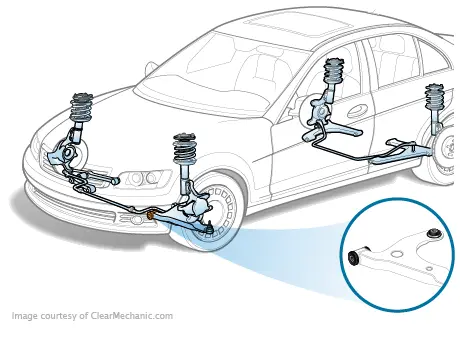
Control arm bushings are the pivot points that allow controlled movement of the suspension arms, directly influencing wheel alignment and tire contact patch. They are the flexible connections between the control arm and the vehicle frame or subframe, designed to absorb road shocks and vibrations while maintaining precise suspension geometry under load. Their stiffness and compliance determine how accurately the suspension holds alignment during cornering, braking, and acceleration. Worn bushings introduce play, causing misalignment and erratic handling, which manifests as vague steering, uneven tire wear, and instability. Understanding bushing function is the first step in diagnosing and resolving suspension issues.
What Are Control Arm Bushings?
Control arm bushings are cylindrical rubber or polyurethane components that fit into the mounting points of control arms. They allow the arm to pivot while isolating noise and vibration from the chassis. In a typical front suspension, each control arm has two bushings—one at the front and one at the rear—that attach to the subframe. These bushings are engineered to provide a specific balance of compliance and rigidity, tuned for the vehicle's intended use.
How Bushings Influence Suspension Geometry
Bushings affect three key alignment angles: camber, caster, and toe. Under load, such as during cornering or braking, forces act on the control arm, causing it to deflect. A compliant bushing allows more deflection, which changes the wheel's alignment dynamically. For example, under hard braking, the control arm can shift rearward, altering caster and toe. Stiffer bushings minimize this deflection, keeping the alignment closer to static specifications. This is why performance vehicles often use stiffer bushings to maintain geometry during aggressive driving.
Effects on Handling and Ride Quality
The bushing's compliance directly impacts ride comfort and handling precision. Softer bushings absorb more road imperfections, providing a smoother ride but allowing more deflection, which can make the car feel less responsive. Stiffer bushings reduce deflection, improving steering response and cornering stability, but transmit more road noise and vibration into the cabin. The right balance depends on the vehicle's purpose: daily drivers prioritize comfort, while sports cars prioritize handling.
Symptoms of Worn Control Arm Bushings: What Your Vehicle is Telling You
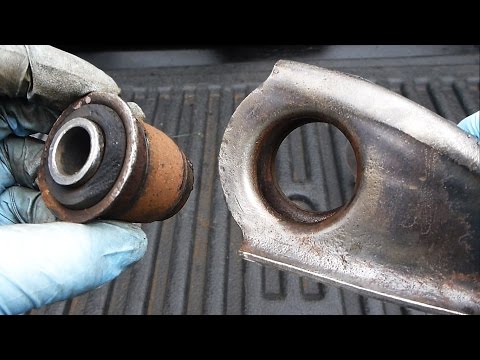
Common symptoms of worn control arm bushings include clunking noises over bumps, excessive steering play, uneven tire wear (especially cupping or scalloping), and a wandering or unstable feel at highway speeds. These symptoms occur because the bushing no longer holds the control arm firmly, allowing unwanted movement that disrupts wheel alignment and tire contact. Vibrations in the steering wheel or floorboard can also indicate bushing deterioration, as they fail to isolate road noise. Causes of wear include age, exposure to oil and road salt, and repeated impact loads from potholes or aggressive driving. Early detection prevents secondary damage to ball joints, tires, and alignment components.
Clunking Noises and Steering Play
When bushings wear, they develop play that causes a metallic clunk or thud when hitting bumps or during acceleration/braking. This is often the first noticeable symptom. Excessive steering play—where the steering wheel feels loose or has a dead spot—is another common sign. Both indicate that the control arm is moving more than intended, affecting the vehicle's stability.
Uneven Tire Wear and Vibration
Worn bushings allow the wheel to move out of alignment, causing uneven tire wear. Cupping or scalloping on the tire edges is a classic sign. Additionally, vibrations felt through the steering wheel or floorboard at certain speeds can result from the control arm vibrating against the frame. These symptoms are often misdiagnosed as wheel balance issues, so it's important to inspect bushings if vibrations persist.
Causes of Bushing Wear
Bushings degrade over time due to environmental factors and driving conditions. Exposure to oil, road salt, and ozone can cause rubber to crack and harden. Repeated impacts from potholes, speed bumps, or aggressive driving accelerate wear. Heat from the engine and exhaust can also degrade bushings over time. Regular inspection is key to catching wear before it leads to more serious suspension damage.
Diagnosing Bushing Wear: Beyond Visual Inspection
Visual inspection is the first step: look for cracks, tears, or bulges in the rubber, and check for excessive movement by prying on the control arm with a pry bar. However, not all wear is visible, so use a dial indicator or a simple ruler to measure deflection under load; compare to manufacturer specs. A road test can reveal clunks during braking or acceleration, and steering wheel vibration at specific speeds. Distinguish bushing wear from ball joint wear: ball joints typically cause a knocking sound when hitting bumps, while bushings cause a dull thud and more pronounced steering wander. An alignment check can also help: if camber or toe angles are out of spec despite recent alignment, suspect worn bushings.
Visual Inspection Techniques
Raise the vehicle and support it securely. Inspect the bushings for cracks, tears, or bulges. Use a pry bar to apply leverage to the control arm; if you see more than a few millimeters of movement, the bushing is likely worn. Compare the movement to a known good bushing or manufacturer specifications.
Measuring Deflection
For a more precise measurement, use a dial indicator or a ruler to measure how much the control arm moves when force is applied. This can be done with a pry bar or by using a hydraulic jack to apply load. If the deflection exceeds the manufacturer's tolerance, the bushing should be replaced.
Road Test and Alignment Check
During a road test, listen for clunks or thuds when driving over bumps or during acceleration/braking. Pay attention to steering feel: if the car wanders or requires constant correction, bushings may be worn. An alignment check can reveal if camber or toe angles are out of spec, which can indicate bushing wear if the alignment was recently done correctly.
Bushing Materials: Rubber vs. Polyurethane vs. Spherical – Engineering Trade-offs
Rubber bushings provide excellent ride comfort and noise isolation, but are more compliant, leading to more deflection under load and shorter lifespan. They are the OEM standard. Polyurethane bushings are stiffer, reducing deflection and improving handling precision, but transmit more road noise and vibration. They are more durable and resistant to oil and chemicals. Spherical bearings offer the least deflection and highest precision, but are harsh for street use and require maintenance. They are typically used in racing applications. Material choice affects suspension geometry under load: stiffer bushings maintain alignment better during cornering and braking, but increase NVH. Consider driving conditions: daily drivers may prefer rubber for comfort, while performance enthusiasts may accept NVH for better handling.
Rubber Bushings: The OEM Standard
Rubber bushings are designed for comfort and longevity. They absorb road imperfections and isolate noise, providing a smooth ride. However, their compliance means they deflect more under load, which can lead to alignment changes during aggressive driving. They also degrade faster when exposed to oil, heat, and road salt.
Polyurethane Bushings: Performance Upgrade
Polyurethane bushings are a popular aftermarket upgrade. They are stiffer than rubber, reducing deflection and improving steering response and cornering stability. They also last longer and resist oil and chemicals. The trade-off is increased NVH—more road noise and vibration transmitted into the cabin. Polyurethane is a good choice for performance-oriented drivers who prioritize handling over comfort.
Spherical Bearings: Racing Only
Spherical bearings, also known as heim joints, provide the least deflection and highest precision. They are commonly used in racing applications where maximum control is required. However, they are harsh for street use, transmit all road noise, and require regular maintenance. They are not recommended for daily drivers.
Replacement Decisions: Bushing vs. Entire Control Arm – Cost and Practicality
Replacing bushings alone is often cheaper in parts, but labor-intensive because the control arm must be removed and pressed out/in. It may not be cost-effective if the arm is corroded or if ball joints are also worn. Replacing the entire control arm is simpler and faster, often including new ball joints and bushings, and may be more cost-effective in the long run. Consider the availability of aftermarket bushing kits and the condition of the control arm. Labor costs vary by vehicle; some arms are easier to replace than others. If the control arm is bent or damaged, replacement is necessary.
When to Replace Just the Bushings
If the control arm is in good condition and only the bushings are worn, replacing just the bushings can save money on parts. However, this requires pressing out the old bushings and pressing in new ones, which can be labor-intensive. If you have the tools and expertise, this can be a cost-effective DIY project. Otherwise, labor costs may make it comparable to replacing the entire arm.
When to Replace the Entire Control Arm
Replacing the entire control arm is often simpler and faster, especially if the arm is corroded or if the ball joint is also worn. Many aftermarket control arms come with new bushings and ball joints pre-installed, saving labor time. This can be more cost-effective in the long run, as it addresses all potential wear points at once.
Cost Considerations
Bushing kits typically cost between $20 and $100, while control arms can range from $50 to $200 or more, depending on the vehicle. Labor costs vary widely: replacing bushings can take 2-4 hours, while replacing a control arm may take 1-2 hours. In many cases, the total cost of replacing the entire arm is similar to or less than replacing just the bushings, making it a practical choice.
Manufacturer Insights: How We Design and Select Control Arm Bushings
Bushing design involves balancing compliance, durability, and NVH performance; engineers use finite element analysis (FEA) to optimize geometry and material properties. Material selection is based on the vehicle's intended use: OEMs prioritize comfort and longevity, while performance models may use stiffer compounds. Quality control includes testing for durometer (hardness), tear resistance, and environmental resistance to ensure consistent performance. Aftermarket manufacturers often offer upgraded materials like polyurethane for enthusiasts, but must ensure proper fitment and alignment with suspension geometry. Proper installation is critical: over-torquing or misalignment can cause premature failure.
Design and Engineering
As a manufacturer of suspension components, we use FEA to simulate stress and deflection under various loads. This allows us to optimize the bushing's shape and material to achieve the desired balance of comfort and handling. We also test prototypes on vehicles to validate performance and durability.
Material Selection
For OEM applications, we typically use natural rubber compounds that provide good isolation and long life. For performance applications, we may offer polyurethane bushings that are stiffer and more durable. The choice depends on the vehicle's target market and performance requirements.
Quality Control
We test every batch of bushings for hardness, tear resistance, and resistance to oil, heat, and ozone. This ensures that our bushings meet OEM specifications and provide consistent performance. We also inspect dimensions and fitment to guarantee proper installation.
Performance Driving Implications: When Upgraded Bushings Make Sense
Stiffer bushings reduce deflection, maintaining alignment during hard cornering and braking, resulting in more precise steering and better tire contact. Polyurethane or spherical bushings can reduce lap times and improve driver confidence on track days. However, increased NVH and reduced comfort may be unacceptable for daily driving. Upgraded bushings are most beneficial when combined with other suspension upgrades like coilovers or sway bars. Consider the vehicle's primary use: a dedicated track car vs. a daily driver.
Benefits of Stiffer Bushings
Stiffer bushings minimize suspension geometry changes under load, which means the tires stay in better contact with the road. This translates to more predictable handling, faster cornering, and improved braking stability. For track enthusiasts, this can shave seconds off lap times.
Trade-offs for Daily Driving
The downside is increased road noise and vibration, which can be fatiguing on long drives. Additionally, stiffer bushings can reduce ride comfort, making the car feel harsh over rough roads. For a daily driver, this trade-off may not be worth it.
When to Upgrade
Upgraded bushings make the most sense for vehicles that are primarily used for performance driving, such as track days or autocross. They are also beneficial when combined with other suspension upgrades, such as coilovers, sway bars, and performance tires. If the vehicle is a daily driver, sticking with OEM-style rubber bushings is often the best choice.
Conclusion: Maintaining Optimal Suspension Performance
Control arm bushings are a critical component that directly affects handling, ride quality, and tire wear. Understanding their function and recognizing the symptoms of wear can help you address issues early, preventing more costly repairs. When replacement is needed, consider the trade-offs between bushing materials and the cost-effectiveness of replacing bushings versus the entire control arm. As a manufacturer, we emphasize the importance of quality and proper installation to ensure optimal performance and safety. Regular inspection and timely replacement of worn bushings will keep your vehicle handling safely and smoothly for years to come.