How Automotive Suspension Systems Are Engineered for Better Ride Performance

The suspension is the bridge between the road and the vehicle. Its primary job is to manage the forces at each tire to provide a smooth ride, stable handling, and predictable braking. But there is no universal 'best' setup—only the best for a given purpose. This article explains the engineering trade-offs that determine ride quality, what each component does, and how to choose aftermarket parts that match your driving needs.
The Core Trade-off: Ride Comfort vs. Handling Performance
Comfort and handling pull in opposite directions. Comfort requires isolating the cabin from road imperfections, which means soft springs and gentle damping. Handling demands maintaining tire contact and controlling body motion, which requires stiff springs and firm damping. A luxury sedan and a sports car illustrate this: the sedan uses soft springs with high travel to absorb bumps, while the sports car uses stiff springs and aggressive damping to minimize body roll and keep tires planted. The result is that ride frequency—the natural oscillation rate of the suspension—is tuned differently: around 1–1.5 Hz for comfort (matching human walking pace) and 2+ Hz for performance. Understanding this trade-off is the first step to making informed suspension decisions.
Key Components and Their Roles in Ride Quality
Each suspension component has a specific job, and wear or failure in any one can degrade ride quality.
- Springs support the vehicle's weight and absorb energy from road impacts. Coil springs are common, but leaf springs are used on trucks for load capacity, and air springs allow adjustable ride height. Spring rate (stiffness) determines how much the suspension compresses under load.
- Dampers (shocks or struts) control spring oscillation by converting kinetic energy into heat. They have two adjustments: compression (jounce) and rebound. A well-matched damper prevents excessive bouncing and keeps the tire in contact with the road.
- Anti-roll bars (sway bars) reduce body roll during cornering by linking the left and right wheels. However, increasing anti-roll bar stiffness can cause one-wheel bump harshness, as impacts on one side are transmitted to the other.
- Bushings are rubber or polyurethane mounts that isolate noise, vibration, and harshness (NVH). They also allow controlled compliance, which affects alignment and handling. Worn bushings can cause clunks and vague steering.
Suspension Geometry: How Design Affects Ride and Handling
The arrangement of links and pivot points determines how the tire moves relative to the body, directly impacting grip and comfort. Key geometry terms include camber (tilt of the wheel from vertical), caster (steering axis tilt), toe (direction of the wheels relative to the centerline), scrub radius (distance between the tire contact patch and steering axis), and roll center (point around which the body rolls). During suspension travel, these angles change, affecting tire contact patch and steering feel. For example, camber changes can cause uneven tire wear if not properly aligned.
Two common suspension types are MacPherson struts and double wishbones. MacPherson struts are compact and cost-effective, but they have a higher roll center and less camber control, which can compromise handling. Double wishbones offer more precise geometry control, better camber management, and improved ride comfort, but they are more expensive and require more space. Manufacturers choose based on packaging and performance targets—economy cars often use MacPherson, while sports cars and luxury vehicles may use double wishbones.
Manufacturer's Perspective: Balancing Cost, Durability, and Packaging
From an OEM's viewpoint, suspension design is a compromise between cost, durability, and packaging. Material selection is a major cost driver: steel is cheaper but heavier, while aluminum reduces unsprung weight but increases cost. Manufacturing processes like stamping versus forging also affect price and strength. Durability is engineered for a target lifespan—often 100,000 miles or more—with extensive testing to ensure components withstand real-world conditions. Aftermarket parts may not meet these standards, so buyers should be cautious. Packaging constraints within the vehicle body dictate suspension type and geometry; for example, a compact car may not have room for double wishbones. NVH is a critical consideration in OEM design, as excessive noise or vibration can lead to customer complaints. Aftermarket performance parts often compromise NVH for sharper handling, which may not suit daily drivers.
Diagnosing Suspension Wear: Signs and Symptoms
Recognizing suspension problems early can prevent further damage and improve safety. Common symptoms include a bumpy ride, excessive bouncing after a bump, uneven tire wear, pulling to one side, clunking noises over bumps, and fluid leaks on shocks. To perform basic checks, visually inspect shocks for oil streaks, do a bounce test (push down on a corner and see if it rebounds more than once), and examine tire wear patterns—cupping indicates worn shocks, while feathering suggests alignment issues. Worn components not only degrade ride quality but also increase stopping distances and reduce stability. Address issues promptly to avoid damaging other parts like tires or control arms.
Choosing Aftermarket Suspension Parts: A Decision Framework
Selecting aftermarket suspension parts requires a clear understanding of your driving needs, budget, and vehicle compatibility.
- Define your priorities: daily commuting demands comfort, spirited driving favors handling, track use requires maximum performance, off-roading needs travel and durability, and towing requires load support.
- Set a budget: shocks and springs range from $200 to $2,000+, while coilovers can exceed $3,000. Understand the trade-offs: cheaper parts may use inferior materials or lack adjustability.
- Check compatibility: ensure the parts fit your specific make, model, and year, and consider whether you want ride height adjustments.
- Debunk common myths: 'stiffer is better' is false—too stiff can reduce grip on rough roads; 'all aftermarket parts are high quality' is untrue—research brands; 'you need to replace all components at once' is not necessary—replace worn parts individually if others are in good condition.
Advanced Suspension Technologies: What's Next?
Modern innovations are blurring the line between comfort and performance. Adaptive dampers, such as magnetorheological (MR) or electronically controlled units, adjust damping in real time based on sensor inputs, offering both a plush ride and sharp handling. Air suspension allows adjustable ride height and spring rate, providing versatility for different conditions. Active suspension systems use actuators to counteract body motion, virtually eliminating roll and pitch. These technologies are becoming common in mainstream vehicles, and aftermarket options are emerging. For buyers, this means more choices but also higher costs and complexity. When considering upgrades, weigh the benefits against the price and potential maintenance issues.
Conclusion: The Art and Science of Suspension Engineering
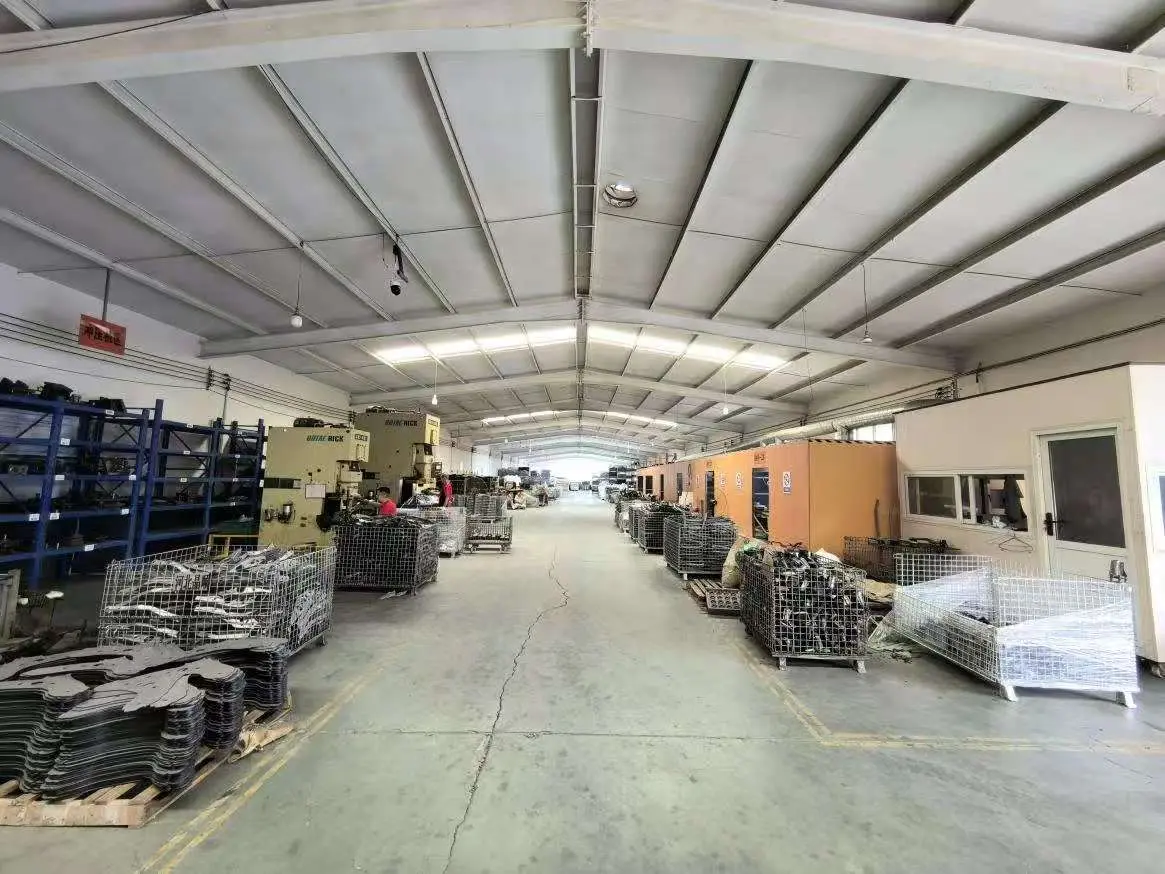
Suspension engineering is a balance of art and science, where every decision involves trade-offs. By understanding the core components, geometry, and manufacturer constraints, you can make informed choices for your vehicle. Whether you're replacing worn parts or upgrading for performance, always consider your driving needs and budget. For quality replacement components, explore our range of automotive suspension components designed to meet or exceed OEM standards. Our manufacturing facility ensures precision, and our quality control processes guarantee reliability. Learn more about our company and how we support your suspension needs.
FAQ
Q: What is the most important factor in ride comfort?
A: The spring rate and damping characteristics are primary. Softer springs and appropriately matched dampers absorb more road imperfections, but they can compromise handling.
Q: How do I know if my shocks need replacing?
A: Look for oil leaks, excessive bouncing after a bump, uneven tire wear, or a bumpy ride. A simple bounce test can help: push down on a corner of the car; if it rebounds more than once, the shock may be worn.
Q: Are stiffer springs always better for performance?
A: No. Stiffer springs reduce body roll but can cause loss of traction on rough roads. The optimal setup depends on the road surface and driving conditions.
Q: Can I mix aftermarket springs with OEM shocks?
A: It's possible, but the damping must match the spring rate to avoid poor ride quality or premature wear. For best results, replace springs and shocks as a matched set.
Q: What is the difference between MacPherson struts and double wishbones?
A: MacPherson struts are simpler and cheaper, but double wishbones offer better geometry control and ride comfort, though they cost more and take up more space.