Honda Accord Control Arm Symptoms: Diagnosis, Repair vs. Replacement, and Costs
If your Honda Accord clunks over bumps or vibrates at speed, the control arms are a prime suspect. This guide helps you confirm the diagnosis, understand the urgency, and decide between repair and replacement—based on symptoms, inspection, and cost, not just mileage.
Immediate Symptoms: What Your Accord Is Telling You
Control arm failure typically presents with distinct symptoms that vary by severity and Accord generation. Recognizing them early can prevent further damage and unsafe handling.
Common Symptoms and What They Indicate
- Clunking or knocking over bumps: Worn control arm bushings or excessive ball joint play. The metal-on-metal contact creates the noise.
- Steering wheel vibration: Often caused by a loose ball joint or bushing that allows the wheel to shift slightly, transmitting vibration to the cabin.
- Pulling to one side: A worn control arm can alter wheel alignment, causing the vehicle to drift, especially during braking or acceleration.
- Uneven tire wear: Excessive play in the control arm leads to abnormal tire contact, causing scalloped or cupped wear patterns on the inner or outer edges.
Generation-Specific Symptoms
Symptoms vary by Accord generation. For example, 8th generation (2008-2012) Accords commonly experience front lower control arm ball joint issues, which manifest as clunking during turns. In contrast, 7th generation (2003-2007) models often suffer from rear lower control arm bushing wear, causing a dull thud over rough roads. 10th generation (2018-present) control arms are generally more durable, but still susceptible to bushing deterioration under harsh conditions.
Diagnostic Guide: Is It Really the Control Arm?
Before replacing parts, confirm the control arm is the culprit. Follow this systematic approach.
Visual Inspection: What to Look For
- Lift the vehicle and secure it on jack stands. Remove the wheel for better access.
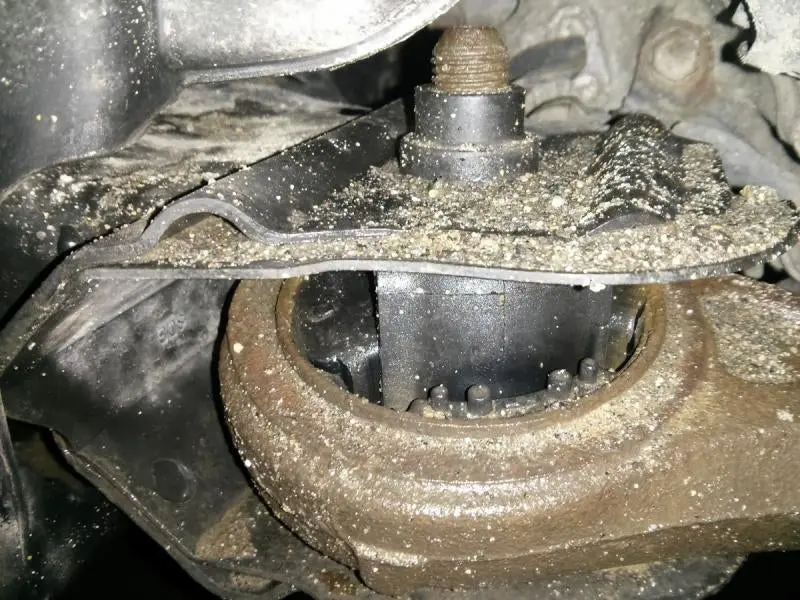
- Inspect the control arm bushings for cracks, tears, or excessive play. Use a pry bar to check for movement—any noticeable shift indicates wear.
- Check the ball joint by gripping the stud and attempting to move it. If there's play, the joint is worn and the arm needs replacement.
- Look for rust or damage on the control arm itself, especially near mounting points. Surface rust is normal, but deep pitting or bending requires replacement.
Road Test: When Does the Noise Occur?
Take the car for a drive and note the conditions:
- Noise over bumps: Likely control arm bushings or sway bar links.
- Noise during turns: Could be ball joints, tie rods, or strut mounts.
- Noise at low speeds on smooth roads: Possibly wheel bearings or brake components.
How to Rule Out Other Components
- Sway bar links: These often cause clunking over bumps, but they're cheaper and easier to replace. If the noise persists after replacing them, the control arm is likely the issue.
- Struts: Worn struts cause a bouncy ride and noise, but they usually don't cause clunking specifically over sharp bumps. Check for oil leaks on the strut body.
- Tie rods: These cause steering looseness and a clicking noise when turning, but they don't typically produce clunking over bumps. Inspect the tie rod ends for play.
If you're still unsure, have a professional inspect the suspension—misdiagnosis can lead to unnecessary parts replacement.
Repair or Replace? A Decision Framework
Deciding whether to repair or replace the control arm depends on the extent of damage and cost.
When to Replace the Entire Arm
- The ball joint is worn or has play. Ball joints are not serviceable on most Accord control arms; replacement is required.
- The control arm is bent or cracked. This can happen from hitting a curb or severe pothole.
- The bushings are severely deteriorated, and the arm is old (over 100,000 miles). Replacing bushings alone may not restore proper alignment.
When to Consider Bushing Replacement Only
- Only the bushings are cracked or worn, and the ball joint is in good condition.
- The control arm itself is structurally sound.
- You're on a tight budget and have the tools to press out old bushings and install new ones.
Important: Always inspect the subframe and mounting points. If the subframe is damaged or corroded, control arm replacement won't fix the issue.
Decision Tree
- Ball joint worn? → Replace the arm.
- Only bushings cracked? → Replace bushings (if feasible) or the arm.
- Arm bent or damaged? → Replace the arm.
- Subframe issues? → Address subframe first.
Cost Breakdown: Parts and Labor
Understanding the costs helps you budget and decide between OEM and aftermarket parts.
Part Costs
- OEM control arm: $100–$200 per arm.
- Aftermarket control arm: $50–$150 per arm. Quality varies; choose reputable brands.
Labor Costs
- Typical labor time: 1–2 hours per side.
- Shop rate: $80–$120 per hour.
- Total labor: $80–$240 per side.
Total Replacement Cost
- Per side: $200–$400, depending on part choice and labor rates.
- Both sides: $400–$800. Replacing both sides is recommended if the other side shows similar wear.
OEM vs. Aftermarket
OEM parts guarantee fit and durability, but aftermarket parts can be cost-effective. Look for aftermarket arms with greaseable ball joints and polyurethane bushings for longer life.
Preventive Maintenance: Extending Control Arm Life
Prevent premature failure with these habits:
- Regular inspections: During tire rotations or oil changes, have the suspension checked. Look for cracked bushings or loose ball joints.
- Avoid aggressive driving: Slow down over potholes, speed bumps, and rough roads. Impacts stress the control arms and bushings.
- Maintain proper wheel alignment: Misalignment puts uneven stress on suspension components. Get an alignment annually or after any suspension work.
- Replace worn parts promptly: Don't ignore clunking noises—early intervention prevents further damage to tires and other components.
Generation-Specific Signs and Solutions
Different Accord generations have unique control arm issues:
- 7th gen (2003–2007): Lower control arm bushing wear is common. Symptoms include a dull clunk over bumps and slight steering shimmy. Replacing bushings alone is often sufficient if the ball joint is fine.
- 8th gen (2008–2012): Front lower control arm ball joints are prone to premature wear. Expect clunking during turns and vibration at highway speeds. Replace the entire arm—ball joints are not serviceable.
- 9th gen (2013–2017): Rear control arm corrosion can occur in regions with road salt. Inspect for rust and replace if structural integrity is compromised.
- 10th gen (2018–present): Control arm issues are less common, but check for recalls related to suspension components. If you experience noises, have the dealer inspect it under warranty.
Next Steps: Inspection and Replacement Guide
If you're comfortable with DIY, here's how to inspect and replace control arms safely.
Step-by-Step Inspection
- Lift the car and support it on jack stands. Remove the wheel.
- Inspect bushings for cracks, tears, or oil leaks. Use a pry bar to check for movement.
- Check ball joint play by gripping the stud and attempting to move it. Any play means replacement.
- Look for damage on the arm itself—bends, cracks, or severe rust.
Replacement Steps
- Remove the wheel and support the lower control arm with a jack.
- Remove the bolts securing the control arm to the subframe and the ball joint to the steering knuckle.
- Separate the ball joint using a ball joint separator tool.
- Install the new control arm and torque all bolts to manufacturer specifications. Use a torque wrench—this is critical for safety.
- Reinstall the wheel and lower the car. Get a wheel alignment afterward.
Safety Tips
- Always use jack stands—never work under a car supported only by a jack.
- Wear eye protection and gloves.
- If you're unsure about any step, consult a professional. Suspension work is safety-critical.
By following this guide, you can diagnose and address Honda Accord control arm issues confidently, saving money and ensuring your safety on the road.
FAQ
How long do Honda Accord control arms last?
Control arms typically last 100,000 miles or more, but bushings and ball joints can wear earlier depending on driving conditions and maintenance.
Can I drive with a bad control arm?
It's not recommended. A worn control arm can lead to loss of steering control, uneven tire wear, and damage to other suspension components. Address symptoms promptly.
How much does it cost to replace control arms on a Honda Accord?
Expect $200–$400 per side including parts and labor. Both sides may cost $400–$800.
Are aftermarket control arms as good as OEM?
Quality varies. Choose reputable aftermarket brands that offer greaseable ball joints and polyurethane bushings for potentially longer life than OEM.
Can I replace just the bushings instead of the whole arm?
Yes, if the ball joint is in good condition and the arm is structurally sound. Bushing replacement is more labor-intensive but can save money.