Ferrari Active Suspension: Multimatic TASV Technology and Maintenance Realities

Ferrari's active suspension, specifically the Multimatic TASV system on the Purosangue, is the first production system to eliminate anti-roll bars entirely. It uses electric motors on each damper to actively control body motion, offering unprecedented comfort and handling. However, this complexity brings significant maintenance and repair challenges that potential owners and parts buyers must understand.
What Is Ferrari Active Suspension and Why Does It Matter?
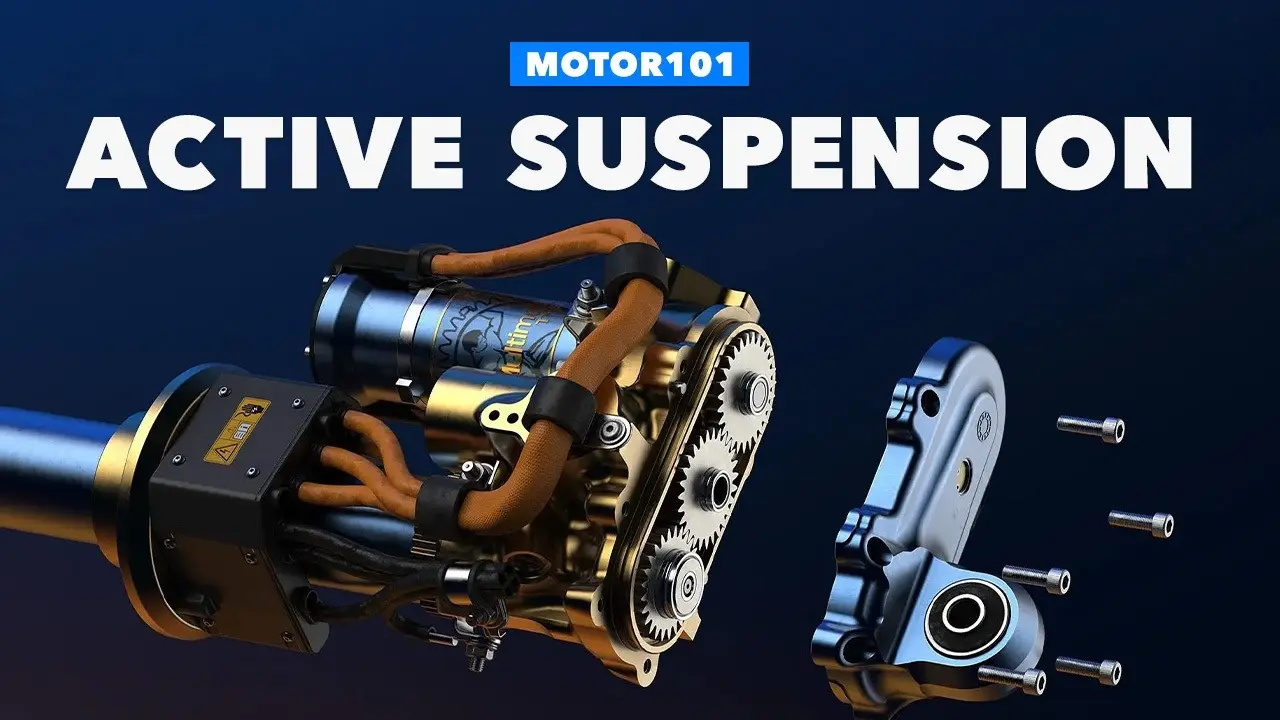
Ferrari's active suspension is a system that can add energy to the suspension to control body motion, unlike adaptive systems that only adjust damping. The Purosangue uses Multimatic's TrueActive Spool Valve (TASV) dampers, which combine a conventional damper with an electric motor and ball-screw mechanism. This allows the system to actively push or pull the wheel, virtually eliminating body roll without anti-roll bars. This is revolutionary because it decouples ride comfort from handling, providing a magic-carpet ride in comfort mode and razor-sharp responses in sport mode. For buyers and parts suppliers, this technology changes the game: it's not just another damper; it's a complex electromechanical unit that requires specialized knowledge and parts.
Inside the Multimatic TASV Damper: Hardware and Function
The TASV damper is a conventional damper augmented with an electric motor and a ball-screw mechanism. The motor can add or subtract force to the damper rod, allowing active control of wheel and body motion. This is a key difference from adaptive dampers, which only adjust the damping coefficient. The system operates on a 48V electrical system, which provides the power needed for the actuators. The damper's construction includes a spool valve for precise oil flow control, and the electric motor is integrated into the damper body. Components prone to wear include the seals, bearings, and the electric motor itself. The motor's brushes or bearings can fail over time, and seals can leak, leading to performance degradation.
How the System Works: Sensors, Control Algorithms, and 48V Power
The system uses a network of sensors, including accelerometers, ride-height sensors, and possibly cameras, to monitor road conditions and vehicle dynamics. The control algorithm predicts and reacts to body movement, commanding the dampers in real-time. The 48V electrical system provides the necessary power for the actuators, enabling rapid force generation. The system integrates with other vehicle systems like steering and braking for coordinated control. For example, during hard braking, the suspension can adjust to reduce pitch. This sophisticated software is the brain behind the hardware, and diagnosing issues requires specialized diagnostic equipment and software.
Benefits: Comfort, Handling, and the End of Anti-Roll Bars
The primary benefit is the elimination of body roll without anti-roll bars, which improves ride comfort and tire contact. By actively controlling body motion, the system keeps the vehicle flat during cornering, enhancing stability and grip. It also decouples ride and handling: in comfort mode, the system absorbs bumps for a smooth ride; in sport mode, it firms up for precise handling. Removing anti-roll bars also saves weight and improves packaging, allowing for more design freedom. For a high-performance SUV like the Purosangue, this is a significant advantage, offering sports car handling with SUV comfort.
Maintenance and Repair: Common Issues, Costs, and Parts Availability
Common failure points include electric motor wear, seal leaks, sensor malfunctions, and control unit issues. Each damper is a complex unit likely costing thousands of dollars, plus labor for diagnosis and replacement. The system requires specialized diagnostic equipment and trained technicians, which can limit repair options. Parts availability is initially limited to dealerships, but aftermarket options may emerge as the technology proliferates. Owners should be prepared for higher maintenance costs compared to traditional suspensions. Regular inspections of seals and electrical connections can prevent premature failures.
Comparison with Other Active and Adaptive Suspension Systems
Mercedes' Magic Body Control uses cameras and hydraulic active suspension, while Bose used linear electromagnetic motors. Adaptive systems like Porsche's PASM adjust damping only. Ferrari's TASV uses electric actuators on conventional dampers, offering a different trade-off between complexity, weight, and performance. The unique aspect is the elimination of anti-roll bars, which others have not achieved. Each approach has pros and cons: hydraulic systems can be heavy and complex, electromagnetic systems are expensive, and adaptive systems cannot actively control body motion. Ferrari's system strikes a balance, but it's still complex and costly.
The Future: Will Active Suspension Spread Across the Ferrari Lineup?
Given the success in the Purosangue, it's likely that active suspension will appear in other Ferrari models, especially as costs decrease and technology improves. Future developments may include improved actuators, integration with autonomous driving, and cost reduction. As the technology proliferates, parts and expertise will become more accessible, benefiting the aftermarket. Multimatic's role as a supplier is crucial, and their expertise in active suspension will be key to its adoption. For parts buyers, this means opportunities to supply components for a growing market.
Conclusion: Is It Worth It?
Ferrari's active suspension is a technological marvel that delivers exceptional ride and handling, but it comes with increased complexity and maintenance costs. For owners and parts buyers, understanding the system is essential for making informed decisions. While the initial costs may be high, the performance benefits are undeniable. As the technology matures, costs are likely to decrease, making it more accessible. For now, it remains a premium feature that sets Ferrari apart.
FAQ
Q: How does Ferrari's active suspension differ from adaptive suspension?
A: Adaptive suspensions adjust damping only, while Ferrari's TASV can actively add energy to control body motion, eliminating anti-roll bars.
Q: What are common maintenance issues with Ferrari's active suspension?
A: Common issues include electric motor wear, seal leaks, sensor malfunctions, and control unit problems. Each damper is a complex, costly unit.
Q: Is the active suspension available on all Ferrari models?
A: Currently, it's on the Purosangue, but it's likely to spread to other models as the technology matures.
Q: Can I repair the active suspension myself?
A: It requires specialized diagnostic equipment and training, so professional service is recommended.
Q: Are aftermarket parts available for the active suspension?
A: Initially, parts are mainly from dealerships, but aftermarket options may emerge as the technology becomes more common.