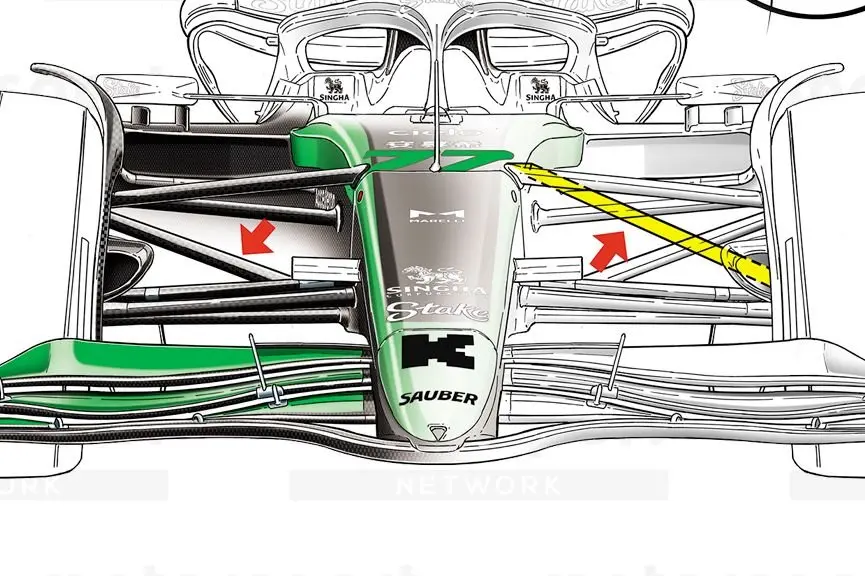
F1 Suspension Engineering: What Aftermarket Buyers Need to Know

F1 suspension design prioritizes tire contact and aerodynamic stability over ride comfort. Every geometry decision—from wishbone angles to anti-dive percentages—is made to keep tires optimally planted and the aerodynamic platform stable. For aftermarket buyers, understanding these trade-offs is crucial: a part that improves grip may sacrifice compliance, and geometry that reduces pitch can increase harshness over bumps. When you select aftermarket arms, coilovers, or bushings, you are making similar engineering choices, whether you realize it or not.
Core concepts like anti-dive and anti-squat directly apply to road car handling. These geometries control pitch under braking and acceleration, affecting not only lap times but also tire wear and driver confidence. By grasping the fundamentals of F1 suspension, you can better evaluate aftermarket parts for performance and longevity, ensuring your upgrades align with your driving goals.
Push-Rod vs. Pull-Rod: Design Trade-Offs and Team Choices
Push-rod and pull-rod are two primary layouts for connecting the wheel assembly to the spring/damper unit via a rocker. In a push-rod layout, the rod pushes on the rocker as the wheel moves up; in a pull-rod layout, the rod pulls on the rocker. The choice between them is not about weight alone but about aerodynamic priorities and packaging constraints.
Push-Rod Advantages
- The rod is positioned high, allowing a lower chassis nose for better airflow over the top of the suspension. This is why most teams on the 2026 grid have chosen push-rod for the front, as it helps manage complex aerodynamic regulations.
- However, the higher mounting point raises the center of gravity slightly.
Pull-Rod Advantages
- The rod is mounted lower, lowering the center of gravity, which can improve mechanical grip.
- But it complicates front suspension packaging because the rod must route around the driver's feet. Pull-rod is often used at the rear where packaging is less constrained, and it was popular in the 1980s and has seen a resurgence with the 2022 ground-effect regulations.
Team choices depend on the specific aerodynamic and mechanical trade-offs they face. For example, a team struggling with front tire wake might opt for a pull-rod to lower the center of gravity, while another might stick with push-rod to optimize airflow to the sidepods. Understanding these trade-offs helps aftermarket buyers see why certain suspension geometries are chosen for road cars, where similar compromises exist between ride height, roll center, and packaging.
Anti-Dive and Anti-Squat: Geometry That Controls Pitch
Anti-dive reduces nose dive under braking by transferring load through suspension links. When you brake, weight transfers to the front, compressing the front springs. Anti-dive geometry uses the angle of the front suspension arms to create a force that resists this compression, keeping the car flatter. This improves braking stability and maintains consistent aerodynamic performance.
Anti-squat reduces rear squat under acceleration by using suspension geometry to resist lift. Under hard acceleration, weight transfers to the rear, compressing the rear springs. Anti-squat geometry in the rear suspension does the opposite of anti-dive, using the trailing arm or control arm angles to counteract the squat. This helps maintain traction and prevents the rear from dragging, which is critical for power delivery.
These geometries affect tire grip and aerodynamic stability, but excessive values can cause harshness. If you dial in too much anti-dive, the suspension becomes less compliant over bumps, reducing tire contact. Similarly, too much anti-squat can cause wheel hop or loss of traction on uneven surfaces. F1 teams carefully tune these percentages to balance performance and drivability, and aftermarket enthusiasts should consider the same when modifying their cars.
Evolution of F1 Suspension: From Passive to Complex
Early F1 cars used simple double wishbone setups with conventional springs and dampers. These were essentially road car suspensions, tuned for racing but not aerodynamically integrated. As downforce increased in the 1970s, teams realized that suspension movement could destabilize the aerodynamic platform, leading to the ground-effect era where cars ran very stiff springs to maintain a constant ride height.
The ground-effect era saw the adoption of push-rod layouts, which allowed for better aerodynamic packaging and lower chassis noses. This design became the norm for decades, with teams refining it to manage tire loads and aerodynamic sensitivity. In the 1990s, pull-rod made a comeback at the rear, offering a lower center of gravity and better mechanical grip.
The 2022 regulations introduced ground-effect aerodynamics again, prompting teams to revisit suspension layouts. Most teams chose push-rod for the front to manage complex airflow, while some experimented with pull-rod at the rear. The 2026 regulations will see a mix, with teams selecting layouts based on their aerodynamic concepts. This evolution shows that suspension design is not static; it adapts to changing rules and engineering insights.
Practical Implications for Aftermarket and Road Car Applications
Aftermarket arms and coilovers can alter anti-dive and anti-squat geometry. When you install adjustable control arms or change ride height, you are changing the angles of the suspension links, which directly affects these geometries. For example, lowering a car typically reduces anti-dive, making it more prone to nose dive under braking. Conversely, raising the rear can increase anti-squat, improving traction but potentially causing harshness.
Adjustable suspension allows tuning for specific driving conditions. Track enthusiasts might want more anti-squat to improve launch, while street drivers might prefer less to maintain ride comfort. Understanding these trade-offs helps you select parts that improve handling without sacrificing ride quality. For instance, polyurethane bushings can reduce compliance and improve geometry control, but they also transmit more noise and vibration.
When selecting aftermarket components, consider the intended use: street, track, or off-road. A street car needs a balance of comfort and performance, so you might choose parts that offer moderate geometry changes. A track car can tolerate more aggressive settings, while an off-road vehicle requires suspension travel and compliance over anti-pitch geometry. By understanding F1 principles, you can make informed decisions that match your driving needs.
Key Considerations for Parts Buyers and Manufacturers
Material and manufacturing quality affect durability and performance. F1 suspension components are made from carbon fibre and titanium, but aftermarket parts for road cars typically use steel or aluminum. Look for parts that are properly heat-treated and manufactured to tight tolerances to ensure they can withstand the stresses of driving.
Geometry compatibility with vehicle specs is crucial. Not all aftermarket arms are designed to maintain the correct anti-dive and anti-squat characteristics. Check the manufacturer's specifications to ensure the parts are designed for your specific vehicle model and year. For example, our automotive suspension components include control arms and bushings that are engineered to match OEM geometry, ensuring that your suspension behaves as intended.
Adjustability and ease of installation matter for DIYers. Some aftermarket arms offer adjustable ball joints or rod ends, allowing you to fine-tune alignment and geometry. However, these require more expertise to set up correctly. Consider your skill level and whether you have access to alignment tools. For many, a direct replacement part that maintains factory geometry is the safest choice.
When selecting aftermarket components, always verify that the parts are compatible with your vehicle's existing suspension. For instance, our Large suspension bushing and Large suspension bushing are designed for specific Hyundai and KIA models, ensuring a precise fit. Similarly, our Large suspension bushing and Large suspension bushing offer options for different applications. Always cross-reference OEM part numbers to avoid fitment issues.
Manufacturers should also consider the quality of the materials and the manufacturing process. Our quality control ensures that every component meets strict standards, and our manufacturing facility uses advanced techniques to produce reliable parts. For more information about our company, visit our about our company page.
By applying these considerations, you can select suspension components that enhance your vehicle's performance without compromising safety or durability.
FAQ
What is the difference between push-rod and pull-rod suspension?
Push-rod suspension has the rod pushing on the rocker arm as the wheel moves up, while pull-rod has the rod pulling on the rocker. Push-rod allows a lower chassis nose for better aerodynamics, while pull-rod lowers the center of gravity for improved mechanical grip. The choice depends on packaging and aerodynamic priorities.
How does anti-dive geometry work?
Anti-dive geometry uses the angle of the front suspension arms to create a force that resists nose dive under braking. This keeps the car flatter, improving braking stability and maintaining aerodynamic performance.
What is anti-squat and why is it important?
Anti-squat reduces rear squat under acceleration by using suspension geometry to resist lift. This helps maintain traction and prevents the rear from dragging, which is critical for power delivery.
Can aftermarket suspension parts affect anti-dive and anti-squat?
Yes, aftermarket arms, coilovers, and ride height changes can alter the suspension link angles, directly affecting anti-dive and anti-squat. Lowering a car typically reduces anti-dive, while raising the rear can increase anti-squat.
What should I consider when buying aftermarket suspension components?
Consider the intended use (street, track, off-road), material quality, geometry compatibility with your vehicle, adjustability, and ease of installation. Always verify that parts are designed for your specific vehicle model and year.