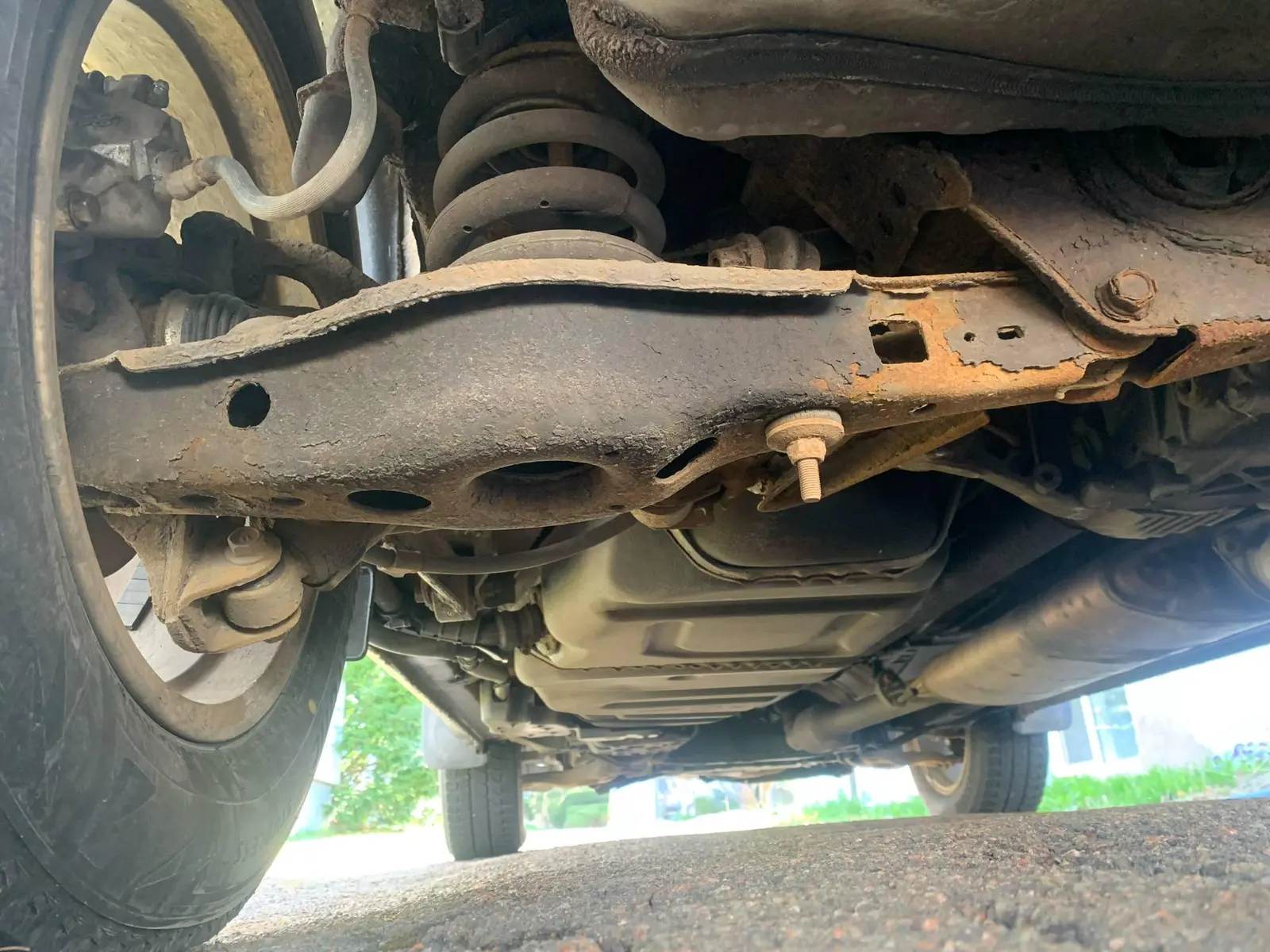
Is Your Control Arm Bad? Key Symptoms and Immediate Actions
If your car clunks over bumps, pulls to one side, or shows uneven tire wear, the control arm is likely failing. These symptoms indicate worn bushings or ball joints, which compromise wheel alignment and suspension stability. Driving with a severely worn control arm risks loss of control and tire damage, so address it promptly.
Common symptoms include:
- Clunking or rattling noises from the front or rear suspension, especially over rough roads.
- Uneven tire wear (feathering or cupping) due to misaligned wheels.
- Steering wheel vibration at highway speeds.
- Vehicle pulling to one side during braking or normal driving.
These occur because the control arm's bushings and ball joint allow excessive movement, causing the wheel to shift out of alignment. If you notice any of these, inspect the control arm visually and avoid driving if the symptoms are severe. Schedule replacement soon to prevent further damage.
Safety is paramount: a failed control arm can cause the wheel to collapse, leading to a serious accident. If you suspect a problem, have it checked immediately.
How to Inspect Control Arms at Home: A Step-by-Step Guide
You can confirm a bad control arm with a basic inspection. First, park on a level surface, engage the parking brake, and chock the rear wheels. Lift the vehicle with a floor jack and support it securely on jack stands—never rely on the jack alone.
Visual inspection:
- Look at the control arm bushings (rubber or polyurethane) for cracks, tears, or oil leakage. Any deterioration indicates wear.
- Check the ball joint boot (rubber cover) for damage or grease leakage.
Physical tests:
- Use a pry bar to gently pry between the control arm and the frame. Excessive movement (more than a few millimeters) suggests worn bushings.
- Grasp the wheel at the top and bottom and try to rock it. Clunking or movement indicates ball joint play.
- Listen for clunks while shaking the wheel side-to-side.
If you're unsure or lack the tools, a professional diagnosis is worth the cost. Many shops offer free suspension inspections.
Control Arm Replacement Cost: Parts, Labor, and Vehicle Variations
Expect to pay between $300 and $800 per control arm, including parts and labor. The total depends on part type, vehicle complexity, and shop rates.
Part costs:
- OEM (Original Equipment Manufacturer): $100–$300 per arm
- Aftermarket: $50–$150 per arm
- Rebuilt: $40–$100 per arm
Labor costs:
- $150–$400 per arm, depending on vehicle make/model and shop labor rates. Luxury or performance vehicles often cost more.
Factors affecting total cost:
- Vehicle make/model: Some designs require more labor to access the control arm.
- Front vs. rear: Front control arms are typically more complex and costly.
- Alignment: After replacement, a wheel alignment is necessary, adding $50–$100.
For example, a Hyundai Elantra might cost $350–$500 per arm, while a BMW 3 Series could run $600–$900. Always get a quote before authorizing work.
DIY vs. Professional Control Arm Replacement: Which Should You Choose?
If you have moderate mechanical skills and the right tools, DIY can save $200–$400 in labor. However, improper installation can lead to suspension failure and accidents. Professionals offer expertise, warranty on labor, and proper alignment.
DIY pros:
- Cost savings
- Learning experience
- Control over parts selection
DIY cons:
- Requires specialized tools (ball joint separator, torque wrench)
- Time-consuming (2–4 hours per side)
- Risk of improper installation if not careful
Professional pros:
- Expertise and experience
- Warranty on labor
- Proper alignment included or recommended
Professional cons:
- Higher cost
- Potential upselling of unnecessary services
Recommendation: DIY if you've done similar suspension work and have the tools. Otherwise, professional replacement is safer and often more cost-effective in the long run.
OEM vs. Aftermarket vs. Rebuilt Control Arms: What's the Difference?
Choosing the right control arm type is critical for safety and longevity. Here's a breakdown:
- OEM: Exact fit, high quality, but most expensive. Best for those who want factory performance and reliability.
- Aftermarket: Varies widely in quality. Cheaper, but some brands may have fitment issues or shorter lifespan. Look for reputable brands with good reviews.
- Rebuilt: Most affordable, but quality depends on the rebuilder. May use worn components, so inspect carefully or avoid for safety-critical parts.
For safety-critical components like control arms, OEM or high-grade aftermarket is preferred. Check warranty and brand reputation. A cheap part that fails prematurely costs more in the long run.
Step-by-Step Control Arm Replacement: A DIY Walkthrough
If you decide to DIY, follow these steps carefully. Always consult your vehicle's service manual for specific torque specs and procedures.
Prerequisites:
- New control arm (OEM or quality aftermarket)
- Jack, jack stands, lug wrench
- Socket set, torque wrench, pry bar, ball joint separator
- Safety glasses and gloves
Step 1: Loosen the lug nuts, lift the vehicle, and secure it on jack stands. Remove the wheel.
Step 2: Disconnect the sway bar link from the control arm. Then separate the ball joint from the steering knuckle using a ball joint separator.
Step 3: Remove the bolts securing the control arm to the frame or subframe. Note their positions for reinstallation.
Step 4: Install the new control arm, loosely threading the bolts. Torque all bolts to specification (usually 80–120 ft-lbs, but check your manual).
Step 5: Reconnect the ball joint and sway bar link. Reinstall the wheel, lower the vehicle, and get a wheel alignment.
How Long Do Control Arms Last? Lifespan and Maintenance Tips
Control arms typically last 50,000–100,000 miles, but this varies with driving conditions and maintenance. Rough roads, off-road driving, heavy loads, and lack of lubrication accelerate wear.
Factors that reduce lifespan:
- Frequent driving on potholed or gravel roads
- Overloading the vehicle
- Neglecting regular inspections
Maintenance tips:
- Inspect bushings and ball joints during oil changes
- Replace worn bushings early to prevent damage to the arm
- Avoid overloading your vehicle
Signs of aging:
- Cracks in bushings
- Rust on the arm
- Play in the ball joint
If you notice these, plan for replacement soon.
Frequently Asked Questions About Control Arm Replacement
Can I drive with a bad control arm?
It's risky. A severely worn control arm can cause loss of control. If symptoms are mild, you may drive short distances to a shop, but avoid highways and high speeds.
What happens if I don't replace a bad control arm?
Continued driving can damage other suspension components, cause uneven tire wear, and lead to a catastrophic failure that results in an accident.
Do I need to replace both control arms at the same time?
It's recommended. If one is worn, the other is likely close behind. Replacing both ensures balanced handling and saves on future labor costs.
How much does an alignment cost after control arm replacement?
A standard wheel alignment costs $50–$100. It's essential to ensure proper tire wear and handling.