Control Arm Manufacturer vs Distributor: What Buyers Must Know Before Sourcing
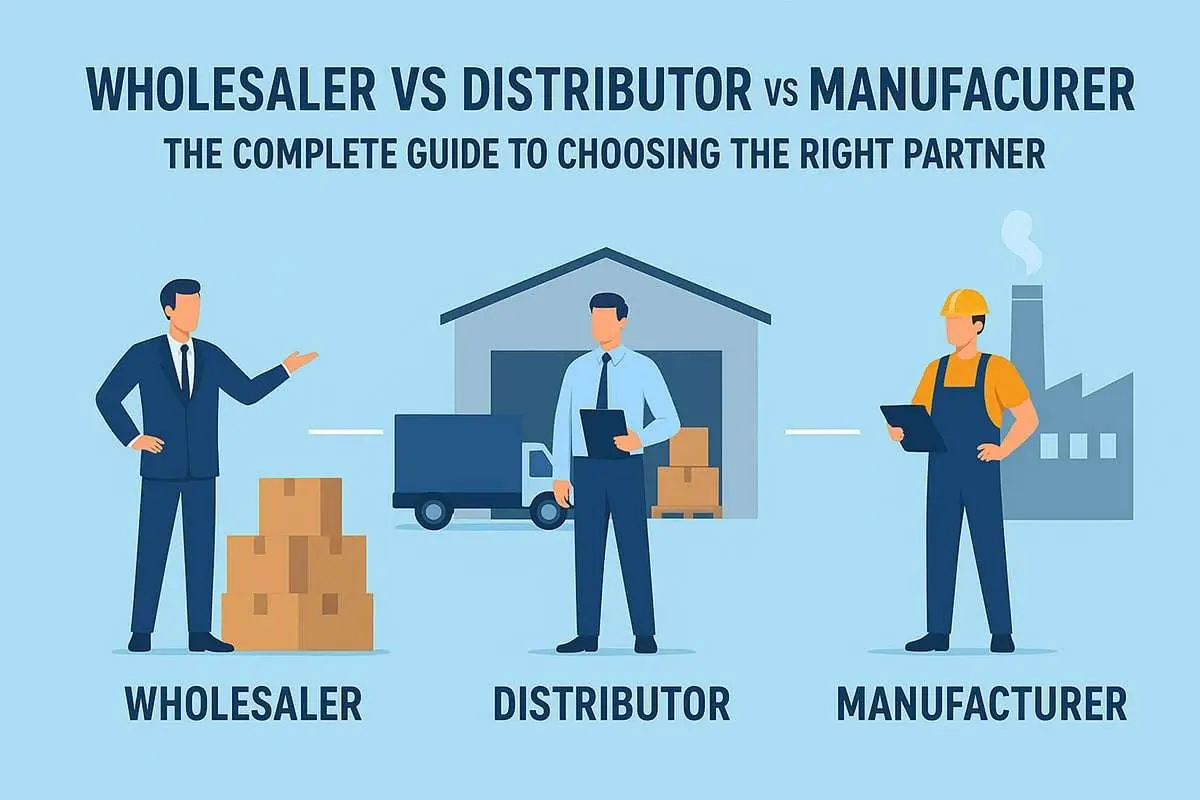
When sourcing control arms, the core question is: should you buy directly from the manufacturer or through a distributor? The answer depends on your order volume, quality requirements, lead time needs, and logistics capabilities. This guide explains the key differences and provides a decision framework to help you choose the right channel.
Key Differences in Pricing, Supply Chain, and Quality Control
Pricing: Direct manufacturer pricing is often lower for bulk orders because you eliminate the distributor's markup. However, distributors offer smaller minimums and consolidated shipping, which can reduce overall costs for smaller buyers. For example, a manufacturer might require a minimum order of 500 units, while a distributor allows you to buy 50 units at a slightly higher per-unit price.
Supply chain: Manufacturers typically have longer lead times for custom orders because they need to schedule production. Distributors offer faster turnaround from stock, often shipping within 24-48 hours. If you need parts immediately, a distributor is your best bet. If you can plan ahead and need custom specifications, direct from the manufacturer is more suitable.
Quality control: Manufacturers have direct oversight of production, from material selection to final inspection. They can implement rigorous testing and traceability. Distributors rely on the manufacturer's quality control and may not have deep insight into the production process. When you buy from a distributor, you're trusting that they've vetted the manufacturer. When you buy directly, you can audit the manufacturer's facilities and processes yourself.
How to Evaluate a Control Arm Manufacturer's Certifications and Testing
To ensure you're sourcing quality control arms, look for manufacturers with IATF 16949 or ISO/TS 16949 certification. These certifications indicate a robust quality management system specific to automotive production. Additionally, check if they perform material testing (e.g., SAE J429 for bolts) and fatigue testing on control arms. Ask for test reports and quality documentation to verify claims.
A reputable manufacturer will be transparent about their testing procedures. They should be able to provide material certificates, dimensional inspection reports, and fatigue test results. For example, a manufacturer that produces control arms for Hyundai and KIA (OEM part numbers like 54500-S1AA0) should have validated their products against OEM specifications.
When evaluating a manufacturer, visit their facility if possible. Look for cleanliness, organized workflows, and calibrated equipment. Ask about their incoming material inspection and in-process quality checks. A manufacturer that invests in quality control is more likely to produce reliable parts.
Pros and Cons of Buying Direct vs Through a Distributor
Buying Direct from Manufacturer:
- Pros: Lower cost per unit for bulk orders, direct communication with engineers, customization options, and better traceability.
- Cons: Higher minimum order quantities, longer lead times, and you must manage logistics and import/export paperwork.
Buying Through a Distributor:
- Pros: Lower minimums, faster shipping, easier returns, and they handle logistics and inventory management.
- Cons: Higher cost per unit, less control over quality, and potential for miscommunication between you, the distributor, and the manufacturer.
For a small repair shop or DIY enthusiast, a distributor is often more practical. For a wholesale importer or large fleet operator, buying direct may offer significant cost savings and quality assurance.
Common Quality Issues in Control Arms and How to Avoid Them
Common issues include premature bushing wear, ball joint failure, and cracking due to poor material or welding. To avoid these, source from manufacturers with rigorous testing, check for proper materials (e.g., forged steel vs cast iron), and verify weld quality. Look for manufacturers that offer warranties and have a track record of reliability.
For example, a control arm with a cracked weld can fail catastrophically, leading to loss of vehicle control. A manufacturer that performs 100% weld inspection and fatigue testing reduces this risk. Ask for evidence of such testing.
Also, consider the environment where the control arm will be used. If it's for a vehicle in a salt-belt region, corrosion resistance is critical. A manufacturer that uses e-coating or powder coating provides better protection.
Case Study: How a Distributor Benefited from Direct Sourcing
A distributor of suspension components switched from multiple middlemen to a direct manufacturer partnership, reducing costs by 15% and improving quality consistency. They gained access to custom OEM specifications and faster communication for issue resolution. The partnership allowed them to offer better pricing to their customers, increasing sales.
This distributor initially relied on several regional distributors, each with their own markup and inconsistent quality. By partnering directly with a manufacturer that had IATF 16949 certification and a proven track record, they streamlined their supply chain. They could now request custom packaging and get technical support directly from the engineers who designed the parts.
The result: fewer returns, higher customer satisfaction, and a competitive edge in the market. This case illustrates that even distributors can benefit from direct manufacturer relationships, especially when they need to differentiate themselves.
How to Choose Between a Manufacturer and Distributor: A Decision Framework
- Assess your order volume: If you order high volumes (e.g., 500+ units per SKU), direct from the manufacturer is likely more cost-effective. If you order low volumes, a distributor is more practical.
- Evaluate your quality requirements: If you need strict quality control, such as for safety-critical applications, direct from the manufacturer gives you more oversight. If you trust the distributor's vetting, you can rely on them.
- Consider lead time needs: If you need fast delivery, a distributor with local stock is better. If you can plan ahead, direct manufacturing lead times are acceptable.
- Factor in your logistics capabilities: Direct sourcing requires managing international shipping, customs, and warehousing. If you lack these capabilities, a distributor adds value.
Where to Buy Control Arms: Direct Manufacturer vs Distributor Options
Direct Manufacturers: Look for industry trade shows, online B2B platforms like Alibaba or Global Sources, and referrals from industry peers. Vet potential suppliers by checking certifications, requesting samples, and reading reviews. You can also visit our automotive suspension components page to see examples of direct manufacturer offerings.
Distributors: Major auto parts distributors like NAPA, AutoZone, and online marketplaces like RockAuto offer convenience and fast shipping. However, they may not provide detailed technical specifications or customization options.
When evaluating any supplier, ask for references and case studies. A reputable manufacturer will be happy to share their experience with other clients.
FAQs
Q: Can I buy control arms directly from a manufacturer if I'm a small business?
A: Yes, but be prepared for higher minimum order quantities. Some manufacturers offer low MOQs for standard parts, but custom orders may require larger quantities.
Q: How do I verify a manufacturer's certifications?
A: Ask for copies of their IATF 16949 or ISO/TS 16949 certificates. You can also check with certification bodies to confirm validity.
Q: What is the typical lead time for custom control arms?
A: It varies, but expect 4-8 weeks for production plus shipping time. Distributors can ship from stock in 1-2 days.
Q: Are OEM control arms better than aftermarket?
A: OEM parts are made to original specifications, but aftermarket manufacturers can offer equal or better quality if they follow strict standards. Always check for certifications and testing.
Q: How can I test a control arm's quality before buying in bulk?
A: Request samples and have them tested by an independent lab. Check for material composition, dimensional accuracy, and weld integrity.
Conclusion
Choosing between a control arm manufacturer and distributor depends on your order volume, quality requirements, lead time needs, and logistics capabilities. Direct manufacturer partnerships offer cost savings and quality control but require higher volumes and more management. Distributors offer convenience and flexibility but at a higher cost. By evaluating your specific needs and vetting suppliers carefully, you can make the right choice for your business.
For more information on our manufacturing capabilities, visit our manufacturing facility page. To learn about our quality control processes, click the link. If you're interested in our company, check our about page.