Why Does My Car Knock Over Bumps? The Most Common Causes
A knocking or clunking noise from your car's suspension when driving over bumps is almost always caused by worn or loose suspension components. The most frequent culprit is a worn sway bar link (also called a stabilizer link), but other parts can also produce similar sounds. Here are the top causes:
- Sway bar links: These connect the sway bar to the control arm or strut. The rubber bushings and ball sockets wear out over time, causing metal-to-metal contact and a distinct clunking noise, especially over uneven surfaces.
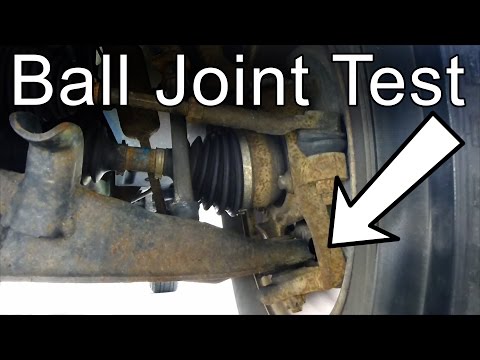
- Ball joints: These pivot points connect the control arms to the steering knuckles. When they wear, they create play that results in a knocking sound, often accompanied by a loose steering feel.
- Control arm bushings: These rubber or polyurethane mounts allow controlled movement of the control arms. When they crack or deteriorate, the arm can move excessively, producing a thud or knock.
- Struts and shocks: Worn struts or shocks can cause the suspension to bottom out, creating a harsh knocking sound. Leaking fluid or damaged mounts are common indicators.
- Other possibilities: Loose subframe bolts, worn tie rod ends, or broken coil springs can also generate knocking noises. These are less common but should not be overlooked.
The noise is often more pronounced on one side of the vehicle, and you may notice other symptoms like uneven tire wear, vibrations, or a wandering steering wheel. Identifying the exact source is crucial for a safe and cost-effective repair.
How to Diagnose Suspension Knocking: A Step-by-Step Guide with Tools
Diagnosing suspension knocking requires a systematic approach. With basic tools and about an hour of your time, you can pinpoint the source and decide whether to DIY or seek professional help. Here's what you'll need:
- Jack and jack stands
- Pry bar (or large screwdriver)
- Torque wrench
- Flashlight
- A helper (optional but recommended)
Step 1: Safely lift the vehicle
Park on a level surface, engage the parking brake, and chock the rear wheels. Use a jack to lift the front (or rear) of the car and support it securely on jack stands. Never work under a car supported only by a jack.
Step 2: Inspect all suspension components visually
Look for obvious signs of wear: cracked or torn rubber bushings, leaking shock absorbers, bent or broken parts, and rust. Pay special attention to sway bar links, ball joint boots, and control arm bushings.
Step 3: Use a pry bar to check for play
Insert a pry bar between the control arm and the frame or subframe. Gently pry to see if there is excessive movement. Any noticeable play indicates worn bushings or ball joints. Repeat this for each control arm and bushing.
Step 4: Test sway bar links by hand
Grab the sway bar link and shake it vigorously. If you hear a clunk or feel excessive movement, the link is worn and needs replacement. Do this for both sides, as they often wear out together.
Step 5: Check struts and shocks
Look for fluid leaks, dents, or damage on the strut body. Push down on the fender to test the rebound; if the car bounces more than once or twice, the strut may be weak. Also, inspect the strut mount for play by having a helper turn the steering wheel while you feel for vibrations.
Step 6: Torque-check suspension bolts
Using a torque wrench, verify that all major suspension bolts are tightened to manufacturer specifications. Loose bolts can cause knocking and are a safety hazard. Common bolts to check include the sway bar link bolts, control arm bolts, and subframe bolts.
If you find a worn component, replace it promptly. If you're unsure, consult a professional mechanic, but this guide gives you the knowledge to make an informed decision.
Is It Safe to Drive with a Knocking Suspension? Risks and Warning Signs
A knocking suspension is not just an annoyance—it can be a serious safety risk. The most dangerous scenario is a failing ball joint that could separate, causing the wheel to collapse and you to lose control of the vehicle. Even if the noise is only a minor clunk, driving with worn suspension components can lead to:
- Accelerated tire wear: Misaligned or loose suspension causes uneven tire wear, reducing tire life and potentially causing blowouts.
- Poor handling: Worn parts reduce steering precision and stability, especially in emergency maneuvers.
- Increased braking distances: A compromised suspension can affect the vehicle's ability to maintain tire contact with the road, lengthening stopping distances.
Warning signs that you should not drive the car:
- The noise is accompanied by a loose or vague steering feel.
- You feel vibrations through the steering wheel or floorboard.
- You notice uneven or rapid tire wear.
- The knocking is severe and occurs even on minor road imperfections.
If any of these apply, have the vehicle towed to a repair shop. If you must drive, do so at low speeds and avoid rough roads. Your safety and that of others on the road is paramount.
Suspension Knock Repair Costs: Parts and Labor Estimates
Repair costs vary widely depending on the component, vehicle make and model, and whether you DIY or hire a professional. Here are typical estimates for common suspension repairs:
- Sway bar links: Parts cost $20–$100 each, and labor is $50–$150 if installed by a shop. DIY can save the labor cost entirely.
- Ball joints: Parts are $50–$200 per joint, with labor $100–$300. Some ball joints are bolted on, making DIY feasible; others are pressed in, requiring special tools.
- Control arm bushings: Parts are $50–$150, and labor $150–$400. Pressing out old bushings and installing new ones can be challenging without a press.
- Struts/shocks: Parts are $100–$500 per corner, with labor $150–$400. Replacing struts often requires spring compressors and alignment afterward.
DIY repairs can save 50–70% on labor costs, but they require mechanical skill, proper tools, and time. If you're not confident, professional installation ensures the job is done correctly and safely.
How to Prevent Future Suspension Knocks: Maintenance Tips
Preventive maintenance is the key to avoiding suspension knocking and costly repairs. Here are actionable tips to extend the life of your suspension components:
- Regularly inspect suspension components during oil changes or tire rotations. Look for cracked bushings, leaking shocks, and worn ball joint boots.
- Replace worn parts in pairs (e.g., both sway bar links, both ball joints) to maintain balanced handling and prevent premature wear on the opposite side.
- Avoid driving over potholes and speed bumps at high speeds. Slow down to reduce impact forces on suspension components.
- Keep tires properly inflated and rotate them regularly. Correct tire pressure reduces stress on suspension and improves handling.
- Lubricate grease fittings on components that have them, as part of routine maintenance. This prevents premature wear and noise.
By following these practices, you can catch issues early and keep your suspension in top condition, ensuring a smooth and safe ride.
---
Note: If you're looking for high-quality replacement suspension parts, consider our range of automotive suspension components. We manufacture control arms and bushings with rigorous quality control in our manufacturing facility. Learn more about our company.