Car Pulls to One Side? A Systematic Diagnostic Guide to Find the Root Cause

Quick Checks: Tire Pressure and Visual Inspection
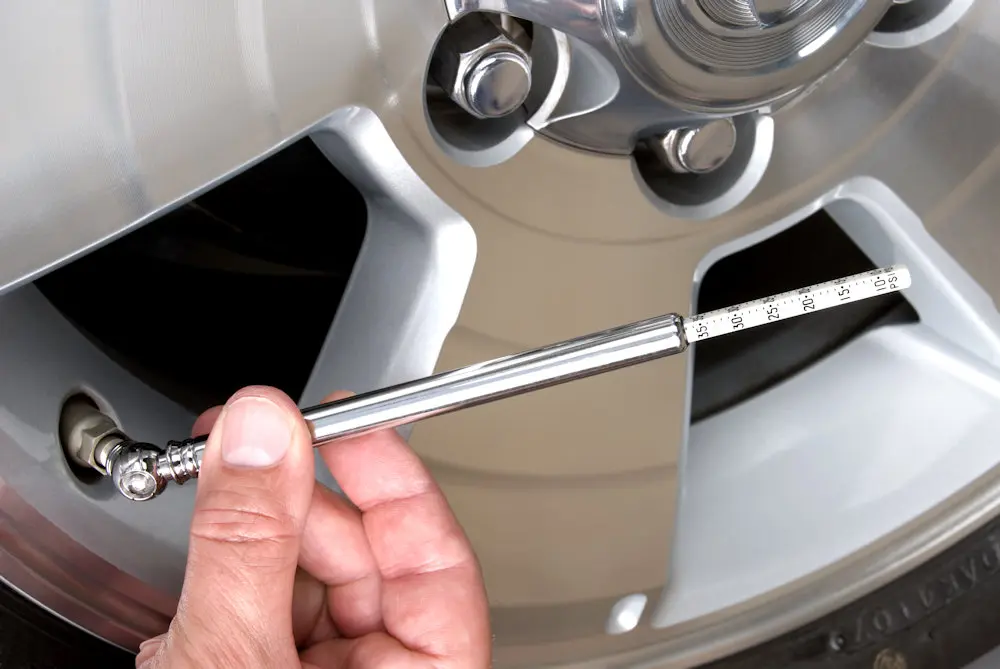
Check tire pressure first. Underinflation on one side is the most common and easily fixable cause. Use a reliable gauge and compare all four tires to the manufacturer's recommended PSI (found on the driver's door jamb or owner's manual). A difference of just 5 PSI can cause noticeable pull.
Inspect tires for uneven wear, damage, or conicity. Look for:
- Uneven wear across the tread (e.g., one edge more worn than the other).
- Cupping or scalloping—a sign of suspension issues.
- Bulges, cuts, or embedded objects that could cause a pull.
- Conicity—a tire that is slightly cone-shaped due to manufacturing defects, causing it to pull to one side.
Swap front tires side-to-side. If the pull direction changes (e.g., from left to right), the problem is likely a tire. If the pull remains the same, the issue is elsewhere. This simple test isolates tire-related causes without any tools.
Wheel Alignment: The Most Common Cause
Misalignment is the most frequent culprit behind a pulling car. When your wheels are out of spec, they point in slightly different directions, causing the car to drift. Alignment angles—camber, toe, and caster—each play a role:
- Camber is the inward or outward tilt of the wheel when viewed from the front. Excessive negative camber (top tilts inward) on one side can cause pulling toward that side.
- Toe is the angle of the wheels relative to the vehicle's centerline when viewed from above. Incorrect toe—either toe-in or toe-out—can cause the car to pull or wander.
- Caster is the angle of the steering axis when viewed from the side. Unequal caster between left and right can cause pulling, especially at higher speeds.
When to check alignment: If your tires are properly inflated and the tire swap didn't change the pull, get an alignment check. A professional alignment typically costs $50–$100 and is the definitive way to verify these angles. But don't rush to align—if suspension components are worn, the alignment won't hold, and you'll waste money.
Tire Issues: Wear, Damage, and Conicity
Tires themselves can cause pulling even when pressure is correct. Beyond the quick checks above, deeper tire issues include:
- Conicity—a manufacturing defect where the tire's internal belts are slightly off-center, creating a cone shape. This causes a constant pull to one side, regardless of road conditions. The swap test is the best way to identify it.
- Radial pull—similar to conicity but caused by the tire's internal construction. It's also detected by the swap test.
- Uneven wear from previous misalignment or suspension issues can also cause pulling, as the worn side has less grip.
Action: If the swap test points to a tire, inspect it closely for damage or abnormal wear. If you find a defect, replace the tire. If the tire looks fine but the pull persists, consider having it road-force balanced—this can detect internal issues not visible from the outside.
Brake Problems: Stuck Calipers and Brake Pull
A pull that occurs only when braking often indicates a stuck brake caliper. When you apply the brakes, a caliper that doesn't release properly creates drag on one wheel, pulling the car to that side. Here's how to tell:
- Test: At a low speed (10–15 mph), lightly apply the brakes. If the pull is strong and only happens during braking, it's likely brake-related.
- Check for heat: After a short drive, carefully feel each wheel hub (don't touch the rotor—it's hot). If one wheel is significantly hotter than the others, the brake is dragging.
- Inspect brake pads: Uneven pad wear (one side more worn than the other) is a classic sign of a stuck caliper or a collapsed brake hose.
A constant pull can also be brake-related if the caliper is dragging all the time, not just when braking. This creates continuous friction, which you might notice as a slight pull even at steady speeds.
Action: If you suspect a stuck caliper, check the brake fluid level and condition. If it's low or dark, that's a clue. Replacing a caliper is a DIY-friendly job for many, but if you're not comfortable, a shop will charge $200–$500 per caliper, including parts and labor.
Suspension Components: Control Arms, Ball Joints, Tie Rods, and Bushings
Worn suspension parts can cause pulling by allowing the wheel to move out of alignment under load. The most common culprits are:
- Control arm bushings—these connect the control arm to the frame. When they wear, they allow excessive movement, causing the wheel to shift and the car to pull.
- Ball joints—pivots between the control arm and steering knuckle. Worn ball joints create play, leading to erratic steering and pulling.
- Tie rods—connect the steering rack to the steering knuckle. Worn tie rods cause loose steering and can make the car pull to one side.
- Struts and shocks—worn units can cause the car to sit unevenly, affecting alignment and causing pull.
How to inspect: Jack up the car and support it on jack stands. Grab the wheel at the 12 and 6 o'clock positions and try to rock it—if there's play, a ball joint or wheel bearing is worn. Then grab at 9 and 3 o'clock—play here indicates tie rod or control arm issues. Use a pry bar to check for movement in bushings. Look for cracked, torn, or oil-soaked bushings.
Action: If you find worn components, replace them. Control arm replacement costs $200–$600 per arm, depending on the vehicle and whether you DIY. After replacing suspension parts, you'll need an alignment.
Power Steering and Other Causes
Less common but possible causes include:
- Power steering issues—a failing pump or low fluid can cause uneven steering assist, making the car pull. Check the fluid level and condition.
- Brake hose collapse—an internal failure in a brake hose can cause the brake to drag intermittently, leading to a pull.
- Sticking brake caliper slides—even if the caliper piston is fine, seized slides can cause the caliper to bind.
- Wheel bearing wear—a worn bearing can cause the wheel to wobble, creating a pull.
- Driveshaft or CV joint issues—on front-wheel-drive cars, a failing CV joint can cause a pull under acceleration.
Diagnostic tip: Note when the pull occurs—constant, only when braking, or only when accelerating. This narrows down the system.
Diagnostic Guide: How to Isolate the Cause Step-by-Step
Follow this flowchart to systematically eliminate causes:
- Check tire pressure on all four tires. Adjust as needed.
- Swap front tires side-to-side. If the pull changes direction, the tire is the problem.
- Test for brake pull by braking at low speed. If the pull is strong only when braking, inspect the brakes.
- Check for heat in the wheels after a drive. A hot wheel indicates brake drag.
- Inspect suspension components for play, wear, or damage.
- If all else is good, get an alignment check. If the alignment is off, have it corrected.
Visual flowchart:
| Step | Action | Result | Next Step |
|------|--------|--------|-----------|
| 1 | Check tire pressure | Pressure low on one side | Inflate and retest |
| 2 | Swap front tires | Pull changes direction | Replace tire |
| 3 | Brake test | Pull only when braking | Inspect brakes |
| 4 | Check wheel heat | One wheel hot | Replace caliper/hose |
| 5 | Inspect suspension | Play in components | Replace worn parts |
| 6 | Alignment check | Angles out of spec | Align wheels |
Repair Options and Cost Estimates
Here's what you can expect to pay for common repairs (parts and labor, unless noted):
- Tire replacement: $100–$300 per tire, depending on brand and size.
- Brake caliper replacement: $200–$500 per caliper, including labor.
- Control arm replacement: $200–$600 per arm, including labor.
- Alignment: $50–$100.
- Suspension bushing replacement: $150–$400 per bushing, depending on location and labor.
DIY vs. professional: If you have basic mechanical skills and tools, tire swaps, brake caliper replacement, and even control arm replacement are doable. However, alignment requires specialized equipment—leave that to a shop. If you're unsure about any step, a professional diagnosis is worth the $50–$100 inspection fee.
Preventive Maintenance to Avoid Future Pulling
- Maintain proper tire pressure monthly and before long trips.
- Rotate tires every 5,000–7,500 miles to ensure even wear.
- Inspect suspension components annually or when you notice any change in handling.
- Replace worn parts promptly—ignoring a worn bushing can lead to more expensive damage.
- Get an alignment after any suspension work or if you hit a large pothole.
Conclusion: When to See a Professional
If you've gone through the diagnostic steps and still can't find the cause—or if you're not comfortable inspecting suspension or brake components—it's time to see a professional. A pulling car is not just an inconvenience; it's a safety risk. Don't ignore it. A qualified technician can pinpoint the issue quickly and safely.
FAQ Section
Q: Why does my car pull to the right?
A: Common causes include underinflated right-side tires, brake drag on the right, or misalignment. Follow the diagnostic steps above to isolate the cause.
Q: Can a bad alignment cause a car to pull?
A: Yes, misalignment of camber, toe, or caster is the most common cause of pulling. An alignment check is recommended after ruling out tires and brakes.
Q: How much does it cost to fix a car that pulls?
A: It depends on the cause. Tire pressure adjustment is free, tire replacement costs $100–$300, brake caliper replacement $200–$500, and alignment $50–$100.
Q: Is it safe to drive with a pulling car?
A: It's not recommended, especially at high speeds or in emergency situations. A severe pull can cause loss of control. If you notice vibrations or unusual noises, stop driving and get it checked.
Q: Can I fix a pulling car myself?
A: Many causes—like tire pressure, tire swaps, and even brake caliper replacement—are DIY-friendly. However, alignment requires professional equipment. If you're unsure, consult a mechanic.