Can Bad Control Arms Affect Alignment? Diagnose, Fix, and Prevent
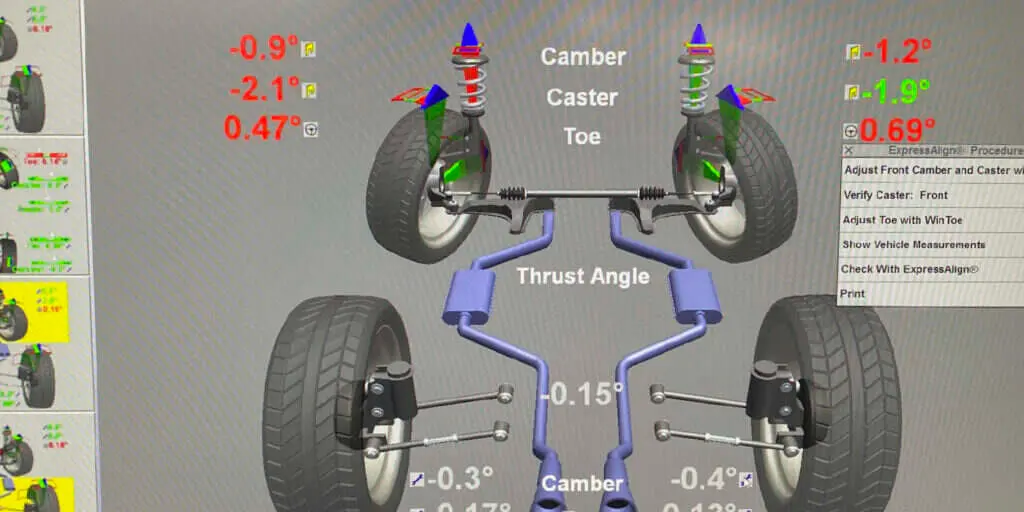
Yes, bad control arms can absolutely affect your alignment. Control arms are the pivot points that locate your wheels and allow them to move up and down with the suspension. When the bushings or ball joints wear out, they introduce unwanted play, which changes the wheel’s camber, caster, and toe angles. Even a few millimeters of movement at the control arm can translate to significant misalignment at the tire, leading to pulling, uneven tire wear, and a crooked steering wheel. Recognizing the symptoms early and understanding the mechanics can save you from costly tire replacements and more extensive suspension damage.
How Control Arms Affect Alignment Angles (Camber, Caster, Toe)
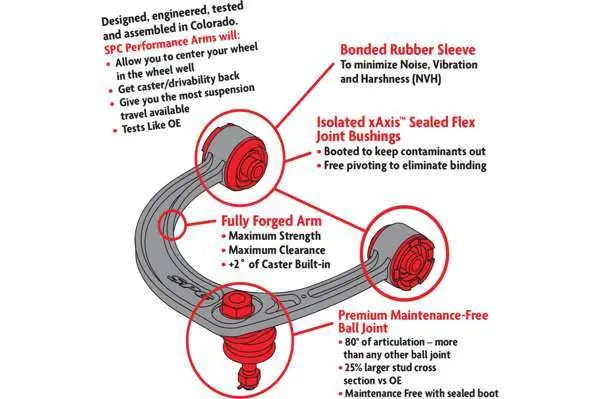
Control arms are critical for maintaining proper alignment geometry. They connect the wheel hub to the vehicle’s frame or subframe, and their bushings and ball joints allow controlled movement while keeping the wheel in a defined path. When these components wear, the wheel’s position shifts, altering the three primary alignment angles.
Camber: The Lean of Your Wheels
Camber is the inward or outward tilt of the wheel when viewed from the front. Negative camber means the top of the tire leans inward; positive camber means it leans outward. Worn control arm bushings allow the upper part of the wheel to move, causing excessive negative or positive camber. This leads to accelerated wear on the inner or outer edge of the tire and can make the vehicle pull to one side.
Caster: The Steering Axis Angle
Caster is the angle of the steering axis when viewed from the side. It affects steering stability and the self-centering of the wheel. A worn control arm can alter the caster angle, making the steering feel loose, unstable, or causing the wheel to return to center poorly. This is often noticed as a wandering feeling at highway speeds.
Toe: The Direction Your Tires Point
Toe is the direction the tires point relative to the vehicle’s centerline. When the front of the tires point inward, it’s toe-in; outward is toe-out. Control arm wear can cause the toe to change, leading to rapid, feathered tire wear. Even a small toe misalignment can scrub tires quickly, reducing their lifespan significantly.
Symptoms of Bad Control Arms That Impact Alignment
Bad control arms often produce symptoms that are directly linked to alignment issues. Here are five telltale signs that your control arms are ruining your alignment:
Pulling or Drifting to One Side
If your vehicle pulls to the left or right, especially under braking, it’s a strong indicator of alignment problems caused by worn control arms. The excessive play allows the wheel to shift, altering the toe and camber, which creates a pulling force.
Uneven Tire Wear
Inspect your tires for uneven wear patterns. Camber wear appears as excessive wear on the inner or outer edge, while toe wear shows as feathering or scalloping across the tread. If you notice these patterns, it’s likely your control arms are allowing the alignment to drift out of spec.
Steering Wheel Off-Center
When driving straight, if the steering wheel is not centered, it’s a sign that the alignment is off. Worn control arms can cause the toe to change, which forces the steering wheel to be angled to maintain a straight path.
Clunking Noises Over Bumps
While noise is not the primary symptom, clunking or knocking sounds over bumps indicate worn bushings or ball joints. This play allows metal-to-metal contact and also permits the wheel to move, affecting alignment.
Do You Need an Alignment After Replacing Control Arms?
Yes, you need an alignment after replacing control arms. Here’s why:
When Alignment Is Necessary
Replacing control arms changes the suspension geometry. Even if the new parts are identical to OEM, the old worn components may have caused the vehicle to settle into a different position. New parts restore the original geometry, but the alignment angles may need adjustment to bring them within factory specifications. A professional alignment ensures all angles are correct, preventing premature tire wear and handling issues.
When It Might Not Be Needed
In rare cases, if the control arms are replaced without disturbing other alignment components and the vehicle was perfectly aligned before, the alignment might remain within spec. However, this is unlikely because the process of removing and installing new parts often shifts the position slightly. Always get an alignment after control arm replacement to be safe.
How to Diagnose Control Arm Issues vs. Alignment Problems
To determine if bad control arms are the root cause of your alignment issues, follow this step-by-step diagnostic process:
- Visual Inspection: Look at the control arm bushings for cracks, tears, or excessive play. Check the ball joints for looseness or damaged boots.
- Use a Pry Bar: With the vehicle safely supported, use a pry bar to check for movement in the bushings and ball joints. Any noticeable play indicates wear.
- Basic Alignment Check: Use a tape measure or a simple alignment tool to check the toe and camber. If the angles are out of spec, it could be due to control arm wear.
- Compare Symptoms: If the vehicle pulls but the alignment is within spec, suspect control arm wear. Worn bushings can cause dynamic alignment changes under load that aren't visible in a static measurement.
- Consult a Professional: If you're unsure, have a professional inspect the suspension thoroughly. They can pinpoint the exact cause.
Step-by-Step: Replacing Control Arms and Getting Aligned
- Lift and Support the Vehicle: Use jack stands and never work under a car supported only by a jack.
- Remove the Wheel: This gives access to the control arm.
- Disconnect the Ball Joint: Use a ball joint separator to detach the control arm from the steering knuckle.
- Remove the Control Arm Bolts: Unbolt the control arm from the subframe or body. Note the position of any washers or shims.
- Install the New Control Arm: Position the new arm and hand-tighten the bolts. Torque them to spec only after the vehicle is on the ground to avoid preloading the bushings.
- Reattach the Ball Joint: Torque the castle nut and insert a new cotter pin.
- Reinstall the Wheel and Lower the Vehicle: Once the vehicle is on the ground, torque the control arm bolts to the manufacturer’s specifications.
- Get a Professional Alignment: This is crucial to set camber, caster, and toe to factory specs.
Cost Considerations: Control Arm Replacement vs. Alignment
Control arm replacement costs vary by vehicle, but typically range from $200 to $800 per arm, including parts and labor. A professional alignment typically costs between $75 and $150. Skipping an alignment can lead to premature tire wear, costing more in the long run. Investing in both ensures safety and prevents further suspension damage.
Expert Tips from a Suspension Parts Manufacturer
As a manufacturer of automotive suspension components, we emphasize that quality matters. OEM control arms are designed to exact factory specifications, ensuring proper alignment geometry. Aftermarket control arms may offer adjustability or performance enhancements, but quality varies. Poor-quality aftermarket arms may have incorrect geometry or weak bushings, leading to alignment issues. For most vehicles, OEM or high-quality aftermarket arms that match OEM specs are recommended to maintain alignment integrity. Our Control Arms are built to meet or exceed OEM standards, ensuring a proper fit and long-lasting performance.
Frequently Asked Questions
Can bad control arms cause alignment to be off?
Yes, bad control arms can cause alignment to be off. Worn bushings or ball joints allow excessive movement, altering camber, caster, and toe angles.
How long can you drive on bad control arms?
Driving on bad control arms is unsafe and can lead to further damage. It’s best to replace them as soon as possible to avoid tire wear and suspension failure.
What are the symptoms of a bad control arm bushing?
Symptoms include clunking noises, uneven tire wear, pulling to one side, and a loose or wandering steering feel.
Conclusion: Protect Your Alignment and Your Safety
Bad control arms can indeed affect your alignment, leading to uneven tire wear, poor handling, and safety risks. By understanding how control arms influence camber, caster, and toe, recognizing the symptoms, and getting a professional alignment after replacement, you can protect your vehicle and your wallet. Regular inspections and prompt replacement of worn components are key to maintaining proper alignment and a safe ride.