
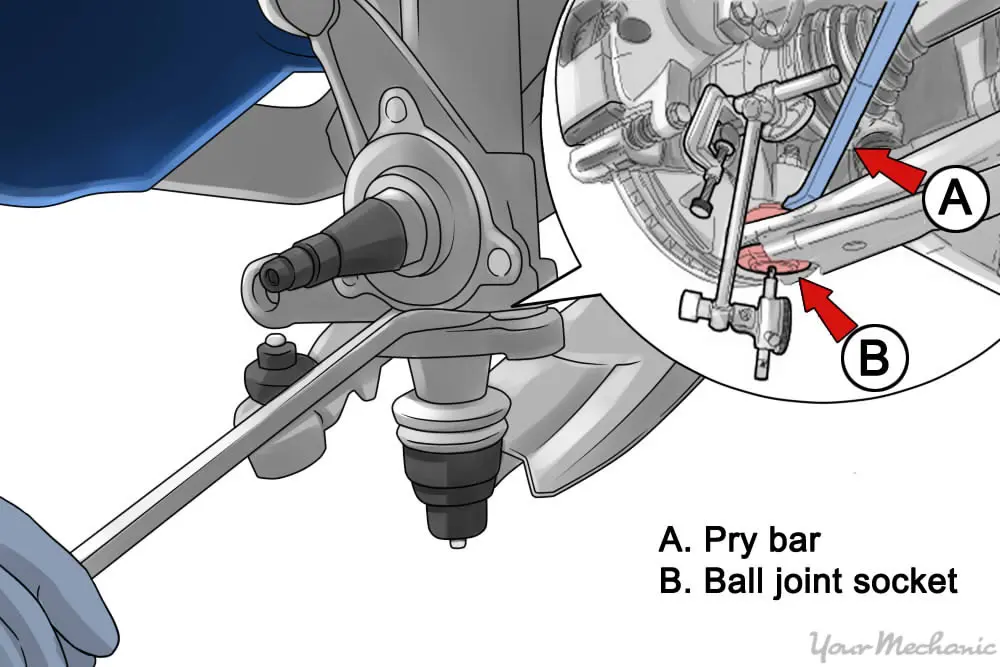
What is a Ball Joint?
Ball joints are a crucial part of your vehicle's suspension system. They act as the pivot point between the control arm and the steering knuckle, allowing the wheels to move up and down with the suspension while also enabling steering. Essentially, they are spherical bearings that permit multi-directional movement. Over time, ball joints wear out due to friction, road debris, and stress, leading to a variety of handling and safety issues.
Symptoms of a Bad Ball Joint
Recognizing the symptoms of a failing ball joint is essential for safety. Common signs include:
- Clunking or popping noises: When driving over bumps or turning, you may hear a clunking or popping sound from the front suspension.
- Excessive tire wear: Uneven tire wear, especially on the inner or outer edges, can indicate a loose ball joint.
- Steering wander: The vehicle may drift or wander to one side, making it difficult to keep straight.
- Vibrations: You might feel vibrations in the steering wheel or floorboard, especially at highway speeds.
- Uneven ride height: A sagging corner of the vehicle could indicate a worn ball joint.
If you experience any of these, have your ball joints inspected promptly.
How to Check Ball Joints
Checking ball joints is a straightforward process that can be done at home with basic tools. Here's a step-by-step guide:
- Safety first: Park on a level surface, engage the parking brake, and chock the rear wheels. Use a jack to lift the front of the vehicle and support it with jack stands.
- Inspect visually: Look for torn or cracked rubber boots, which can allow grease to escape and contaminants to enter.
- Check for play: With the wheel off the ground, grasp the tire at the top and bottom and try to rock it. Excessive movement indicates wear. You can also use a pry bar to check for movement between the control arm and steering knuckle.
- Listen for noise: Use a mechanic's stethoscope or a long screwdriver to listen for clunks while prying.
If you find any issues, it's best to consult a professional for a more accurate diagnosis.
Ball Joint Replacement Cost
Ball joint replacement cost varies widely depending on vehicle type, part quality, and labor rates. On average, you might expect to pay between $150 and $400 per ball joint, including parts and labor. However, for luxury or heavy-duty trucks, costs can be higher. It's always a good idea to get multiple quotes from reputable shops.
Factors Affecting Cost
Several factors influence the total cost:
- Vehicle type: Trucks and SUVs often have larger, more expensive ball joints.
- Part quality: OEM vs. aftermarket parts can differ in price.
- Labor: Rates vary by region and shop. Some vehicles require more labor to access the ball joints.
- Additional parts: Often, it's recommended to replace control arms or other suspension components at the same time, which adds to the cost.
DIY vs Professional Replacement
Replacing ball joints can be a challenging DIY project. It requires specialized tools like a ball joint press or pickle fork, and the process can be physically demanding. If you have experience with suspension work and the right tools, you can save on labor costs. However, if you're not confident, it's safer to have a professional do it to ensure proper installation and alignment.
Preventive Maintenance
To extend the life of your ball joints:
- Regular inspections: Have your suspension checked during routine maintenance.
- Lubrication: Some ball joints are serviceable and require periodic greasing. Check your owner's manual.
- Avoid rough roads: Potholes and curbs can damage ball joints.
- Replace worn parts promptly: Ignoring symptoms can lead to more extensive damage.
FAQs
Q: How long do ball joints last?
A: Typically, ball joints can last anywhere from 70,000 to 150,000 miles, but this varies based on driving conditions and vehicle type.
Q: Can I drive with a bad ball joint?
A: It's not recommended. A worn ball joint can fail completely, causing the wheel to collapse and leading to a serious accident.
Q: Should I replace ball joints in pairs?
A: It's often recommended to replace them in pairs (both sides) to ensure even wear and handling.
Conclusion
Ball joints are vital to your vehicle's safety and performance. Recognizing the symptoms of wear and performing regular inspections can prevent costly repairs and accidents. If you suspect a problem, have a professional check it out. For quality replacement parts, consider our range of automotive suspension components designed to meet OEM standards. Our Control Arm and Stabilizer Links & Ball Joints are manufactured with precision in our manufacturing facility and undergo strict quality control. Learn more about our company and our commitment to reliability.