Bad Strut Mount Symptoms: How to Diagnose and Decide on Replacement
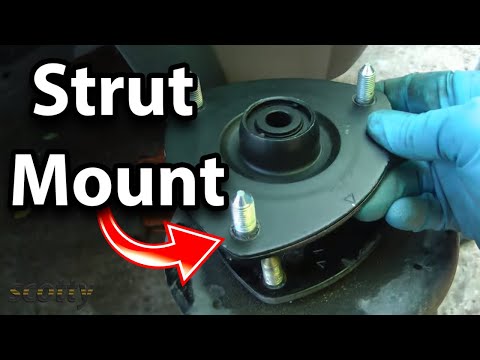
What is a Strut Mount and Why It Fails
The strut mount is the critical link between the strut assembly and the vehicle's body. It consists of a rubber isolator that absorbs road shocks and a bearing that allows the strut to rotate with the steering. It supports the vehicle's weight and maintains wheel alignment. Over time, the rubber degrades, the bearing wears, and the mount can fail due to normal wear, road salt, moisture, impact damage, overloading, or poor-quality parts.
Top 7 Symptoms of a Bad Strut Mount
1. Clunking or Knocking Noise Over Bumps
The most common symptom is a clunking or knocking sound when driving over bumps, potholes, or uneven surfaces. This noise comes from the worn mount allowing the strut to move excessively, causing metal-to-metal contact. The sound is often more pronounced at low speeds.
2. Noise When Turning the Steering Wheel
A bad strut mount can produce a popping or creaking noise when you turn the steering wheel, especially at low speeds or when parking. This occurs because the mount's bearing is worn or the rubber is deteriorated, causing friction and binding.
3. Uneven or Rapid Tire Wear
A failing strut mount affects wheel alignment, leading to uneven tire wear. You may notice scalloped or cupped wear patterns on the tires, particularly on the front. This is because the tire is not maintaining proper contact with the road.
4. Steering Wheel Vibration or Shimmy
Vibration or shimmy in the steering wheel, especially at highway speeds, can indicate a bad strut mount. The mount's inability to dampen vibrations allows them to transmit to the cabin.
5. Loose or Vague Steering Feel
A worn strut mount can make the steering feel loose or imprecise. You may notice increased play in the steering wheel or a delayed response when turning.
6. Visible Wear or Damage to the Mount
Inspect the strut mount visually. Look for cracks, tears, or separation in the rubber, rust on the metal housing, or signs of fluid leakage. If the mount looks damaged, it likely needs replacement.
7. Poor Wheel Alignment Retention
If your vehicle frequently goes out of alignment, a bad strut mount could be the culprit. The mount's deterioration allows the strut to shift, altering the alignment angles and causing the vehicle to pull to one side.
How to Diagnose a Bad Strut Mount (Step-by-Step)
Tools Needed
- Jack and jack stands
- Pry bar or large screwdriver
- Flashlight
- Safety glasses
Visual Inspection
- Park on a level surface and engage the parking brake.
- Jack up the front of the vehicle and secure it on jack stands.
- Inspect the strut mount from above (under the hood) and below (under the car). Look for cracks, rust, or separation of the rubber from the metal.
- Check for any movement by prying on the mount with a pry bar. If it moves excessively, it's worn.
Bounce Test
- With the vehicle on the ground, press down firmly on the front fender and release.
- The car should rebound and settle quickly. If it continues to bounce more than 1-2 times, the strut may be weak, but this test primarily checks the strut, not the mount.
Steering Test
- With the engine running, turn the steering wheel lock-to-lock while stationary.
- Listen for popping, creaking, or grinding noises. These can indicate a bad strut bearing or mount.
Road Test
- Drive over a series of bumps or rough roads at low speed (15-20 mph).
- Listen for clunking or knocking sounds from the front suspension.
- Note any vibrations in the steering wheel or unusual handling.
Strut Mount vs. Strut Bearing: What's the Difference?
The strut mount and strut bearing are often confused, but they serve different functions. The strut mount is the rubber isolator that absorbs shocks and supports the vehicle's weight. The strut bearing is a separate component that allows the strut to rotate with the steering. A bad bearing typically causes noise when turning and steering stiffness, while a bad mount causes clunking over bumps and vibration.
What Causes Strut Mounts to Fail?
Strut mounts fail due to:
- Normal wear and tear: Over time, the rubber degrades and loses its elasticity.
- Exposure to road salt, moisture, and debris: These elements accelerate rubber deterioration.
- Impact damage: Hitting potholes, curbs, or accidents can crack or break the mount.
- Overloading the vehicle: Carrying heavy loads puts extra stress on the mounts.
- Poor quality replacement parts: Using cheap, low-quality mounts can lead to premature failure.
Can You Drive with a Bad Strut Mount?
Driving with a bad strut mount is unsafe and can lead to further damage. It increases tire wear, impairs handling, and reduces braking performance. In severe cases, the strut can fail completely, causing loss of control. Long-term effects include damage to other suspension components like control arms and bushings. It's best to replace the mount as soon as possible.
Strut Mount Replacement Cost: DIY vs. Shop
Parts Cost
Strut mounts typically cost between $20 and $100 per mount, depending on the vehicle make and model and the quality of the part. Premium or OEM parts cost more but may offer better durability.
Labor Cost
At a shop, labor costs range from $100 to $200 per mount, depending on the vehicle's complexity and the shop's hourly rate. Replacing both front mounts can cost $200-$400 in labor alone.
DIY Cost Breakdown
If you do it yourself, you'll need tools like a jack, jack stands, and basic hand tools. You may also need a spring compressor if you're replacing the entire strut assembly. The total DIY cost is just the parts, saving you $200-$400 in labor.
Shop Cost Breakdown
At a shop, you'll pay for parts and labor. The total cost for replacing both front strut mounts typically ranges from $300 to $600, depending on the vehicle and shop rates.
How to Save Money on Strut Mount Replacement
- Buy quality parts: Investing in a reputable brand can prevent premature failure.
- Consider replacing struts at the same time: If your struts are also worn, replacing them together saves labor costs.
- Shop around: Get quotes from multiple shops or consider a mobile mechanic.
Preventive Maintenance: Extending Strut Mount Life
- Regular inspection: Have your suspension checked during routine maintenance.
- Avoid overloading: Don't exceed your vehicle's load capacity.
- Drive carefully: Slow down over potholes and rough roads.
- Keep tires properly inflated: Correct tire pressure reduces stress on suspension components.
- Replace struts and mounts as a set: When one component wears, the other is likely to follow.
FAQs About Bad Strut Mounts
How long do strut mounts last?
Strut mounts typically last 50,000 to 100,000 miles, but this varies with driving conditions and vehicle usage.
Can a bad strut mount cause vibration?
Yes, a worn mount can cause steering wheel vibration, especially at highway speeds.
What does a bad strut mount sound like?
A clunking or knocking noise over bumps, or a popping sound when turning.
Do I need to replace strut mounts in pairs?
It's recommended to replace them in pairs (both front or both rear) to maintain balanced handling and even wear.
Conclusion: Don't Ignore the Warning Signs
Bad strut mounts are a safety concern and can lead to more expensive repairs if ignored. By recognizing the symptoms early and following the diagnostic steps, you can address the issue promptly. Whether you choose DIY or professional replacement, investing in quality parts and proper maintenance will keep your vehicle safe and reliable.