OEM vs Aftermarket Control Arms: What’s the Real Difference?
OEM (Original Equipment Manufacturer) control arms are made by the same suppliers that produce parts for the vehicle factory. They match the exact specifications of your car, ensuring a perfect fit and factory-level performance. However, OEM parts come with a premium price tag. For example, a front lower control arm for a 2015 Ford F-150 can cost anywhere from $150 to $300 per side at a dealership.
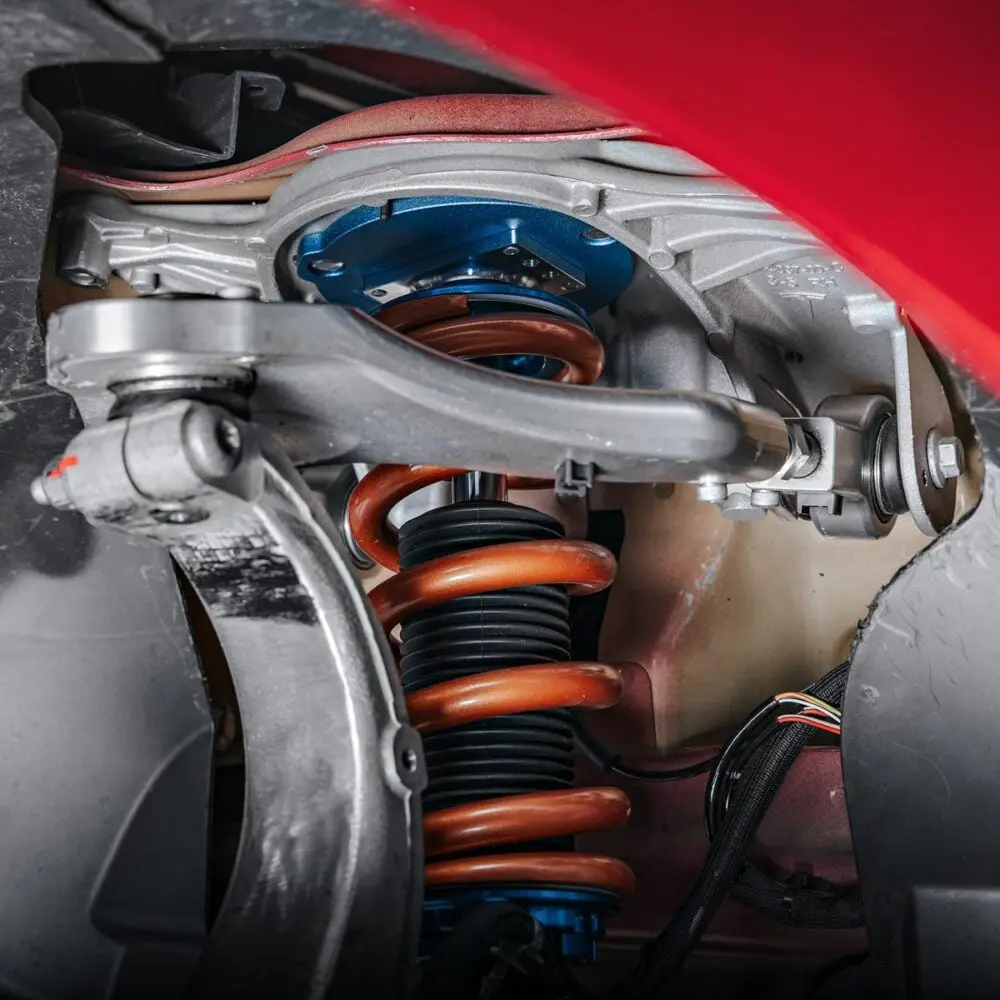
Aftermarket control arms are produced by third-party companies. They range from budget-friendly options to high-performance upgrades. Quality varies significantly by brand and material. Some aftermarket arms are OE-equivalent, meaning they meet or exceed factory specs but cost less. Others are upgraded with features like polyurethane bushings, greaseable ball joints, or adjustability for lifted trucks.
The main trade-off is cost versus customization. Aftermarket arms can save you 30-50% compared to OEM, but you need to choose a reputable brand to avoid premature failure. For DIY mechanics, aftermarket arms offer the chance to improve durability or adjust suspension geometry without breaking the bank.
Cost Comparison: Real Price Examples for Popular Models
Let’s look at real-world prices for two popular vehicles: the Ford F-150 and the Jeep Wrangler.
Ford F-150 (2015-2020)
- OEM front lower control arm: $180-$250 each (dealer price)
- Aftermarket (Moog): $80-$120 each
- Aftermarket (Mevotech): $70-$100 each
- Aftermarket (JS Suspension): $150-$200 each (heavy-duty)
Jeep Wrangler (2018-2023)
- OEM front upper control arm: $120-$180 each
- Aftermarket (Moog): $60-$90 each
- Aftermarket (Mevotech): $50-$80 each
- Aftermarket (JS Suspension): $100-$150 each (adjustable)
Per axle, you could save $200-$400 by choosing aftermarket parts. Some aftermarket arms include additional features like greaseable ball joints, which extend service life. Prices vary by model year, trim, and location, so always check current online prices before purchasing.
When to Choose Aftermarket Control Arms (and When to Stick with OEM)
Choose aftermarket if:
- You’re on a budget and want to save money without sacrificing quality.
- Your vehicle has high mileage (over 100k miles) and you plan to keep it for a few more years.
- You need adjustability for a lifted truck or modified suspension.
- You want upgraded bushings (polyurethane) for better handling and durability.
Stick with OEM if:
- Your vehicle is still under warranty (using aftermarket parts may void suspension-related claims).
- You require exact factory specifications for safety or alignment, especially on newer vehicles.
- You’re not comfortable researching aftermarket brands and want guaranteed fit.
For lifted trucks, aftermarket upper control arms are often necessary. Lifting changes suspension angles, and stock arms may not provide enough adjustment to correct alignment. Aftermarket arms with adjustable ball joints or elongated mounting holes allow proper camber and caster settings, preventing premature tire wear.
Top Aftermarket Control Arm Brands: Reviews and Pros/Cons
Moog
- Pros: Known for problem-solving designs, greaseable ball joints, and durable construction. They often include upgraded bushings.
- Cons: More expensive than other aftermarket brands, but still cheaper than OEM.
- Warranty: Limited lifetime warranty on many parts.
Mevotech
- Pros: Offers a range of OE-quality and performance parts. Good value for the price. Some lines feature enhanced bushings.
- Cons: Budget lines may have shorter lifespan. Check reviews for specific part numbers.
- Warranty: Limited lifetime warranty on certain parts.
JS Suspension
- Pros: Specializes in heavy-duty and off-road control arms, often with adjustable features. Robust construction for lifted trucks.
- Cons: Higher price, may be overkill for stock vehicles.
- Warranty: Limited lifetime warranty.
Brand reputation and warranty are critical. Look for lifetime warranties and read customer reviews to gauge real-world durability.
Step-by-Step Installation Guide with Torque Specs
Tools needed:
- Jack and jack stands
- Lug wrench
- Socket set and wrenches
- Torque wrench
- Penetrating oil (e.g., WD-40)
- Ball joint separator (if needed)
Steps:
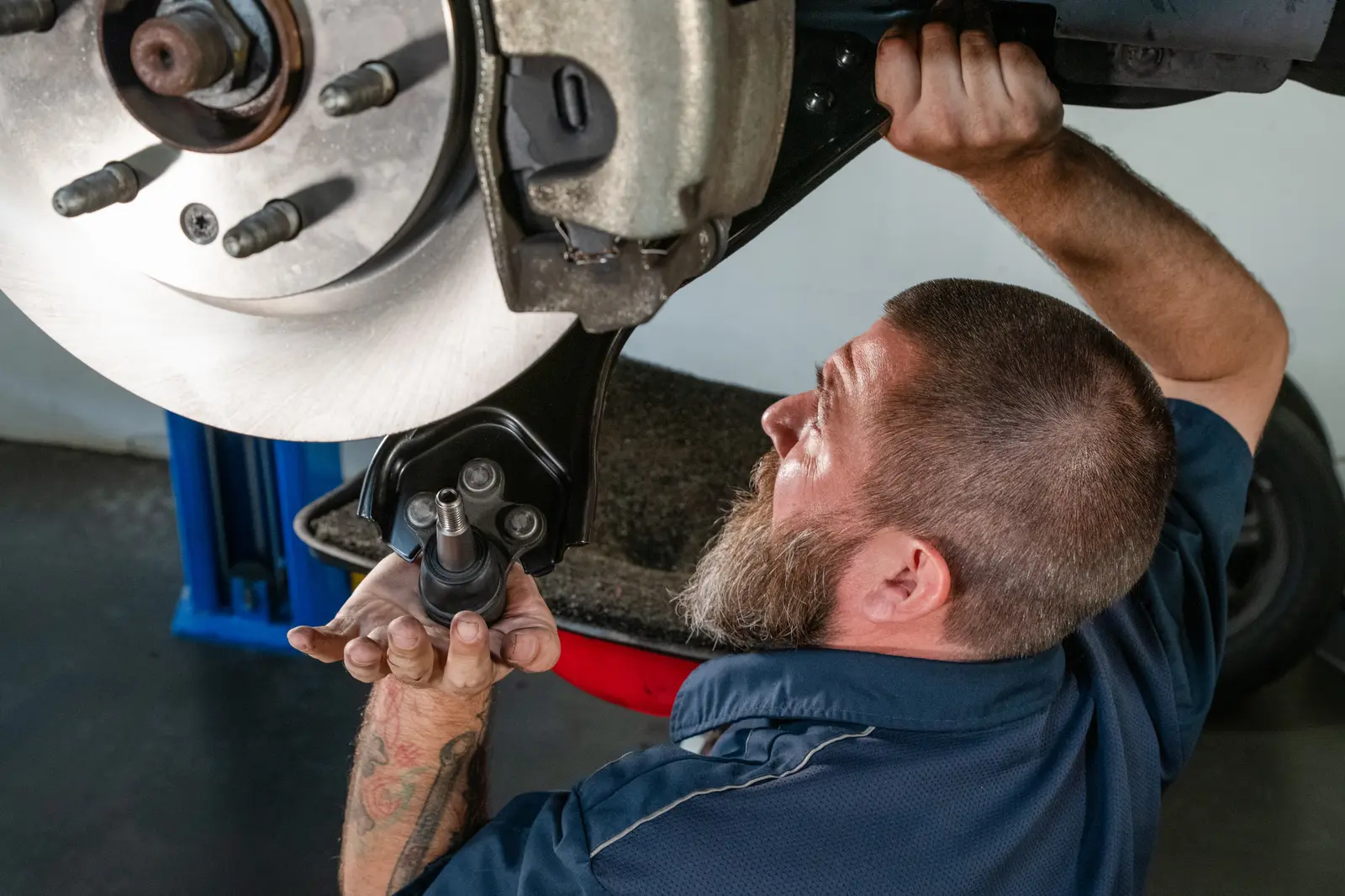
- Safely lift the vehicle and support it on jack stands. Remove the wheel.
- Disconnect the sway bar link from the control arm.
- Remove the ball joint nut and separate the ball joint from the steering knuckle using a separator.
- Remove the bolts securing the control arm to the frame or subframe. Note the position of any washers or spacers.
- Install the new control arm, loosely threading the bolts. Ensure bushings are aligned properly.
- Torque all fasteners to spec. Example torque specs:
- Ford F-150 lower control arm bolts: 148 ft-lbs
- Jeep Wrangler upper control arm bolts: 75 ft-lbs
Always check your vehicle’s service manual for exact specs.
- Reconnect the ball joint and sway bar link. Torque to spec.
- Install the wheel and lower the vehicle.
Common pitfalls:
- Not supporting the lower control arm with a jack when removing bolts, causing suspension to drop and damage.
- Using incorrect torque, leading to loose or over-tightened bolts.
- Failing to align bushings before tightening, causing premature bushing wear.
Alignment and Maintenance Tips for Aftermarket Control Arms
Control arms directly affect wheel alignment angles: camber, caster, and toe. After replacing control arms, a wheel alignment is mandatory. Even if the arms are adjustable, a professional alignment ensures proper tire wear and handling.
Maintenance:
- Inspect bushings and ball joints regularly for cracks, play, or leaks.
- If the arms have grease fittings, lubricate them periodically (e.g., every oil change).
- Polyurethane bushings may require occasional lubrication and can transmit more road noise than rubber.
- For lifted trucks, check alignment more frequently due to increased stress.
Proper maintenance can extend the life of aftermarket arms and prevent premature tire wear.
Warranty and Long-Term Durability: What to Expect
OEM warranties are typically limited (e.g., 12 months/12,000 miles). Aftermarket brands like Moog and Mevotech often offer lifetime warranties on certain parts, which is a significant advantage.
Durability varies by construction. Aftermarket arms with forged steel or aluminum can outlast OEM stamped steel arms. However, cheap aftermarket parts may fail prematurely. Quality aftermarket arms typically last 50,000-100,000 miles, depending on driving conditions.
Keep receipts and understand warranty terms. Some warranties require professional installation, so check before you DIY.
Frequently Asked Questions
Q: Can I replace just the bushings instead of the whole control arm?
A: Sometimes, but if the ball joint is worn or the arm is bent, replacement is safer. Aftermarket arms often come with new bushings and ball joints, making replacement more cost-effective.
Q: Do aftermarket control arms affect ride quality?
A: Yes. Polyurethane bushings are stiffer, improving handling but increasing road noise. Rubber bushings provide a smoother ride. Choose based on your priorities.
Q: How do I know if my control arms need replacement?
A: Symptoms include clunking noises, uneven tire wear, and loose steering. Inspect bushings for cracks and check ball joints for play.
Conclusion: Making the Right Choice
Aftermarket control arms offer significant cost savings and potential performance upgrades for DIY mechanics. By understanding the differences, choosing a reputable brand, and following proper installation and maintenance, you can extend the life of your suspension and save money. For lifted trucks, aftermarket upper control arms are often essential. Always prioritize quality and warranty to ensure long-term durability.
For more information on automotive suspension components, visit our Control Arms section. Check out our manufacturing facility and quality control to see how we ensure reliability. Learn more about our company.