Active Suspension Control: A Practical Guide to Understanding, Diagnosing, and Deciding on Repair or Replacement

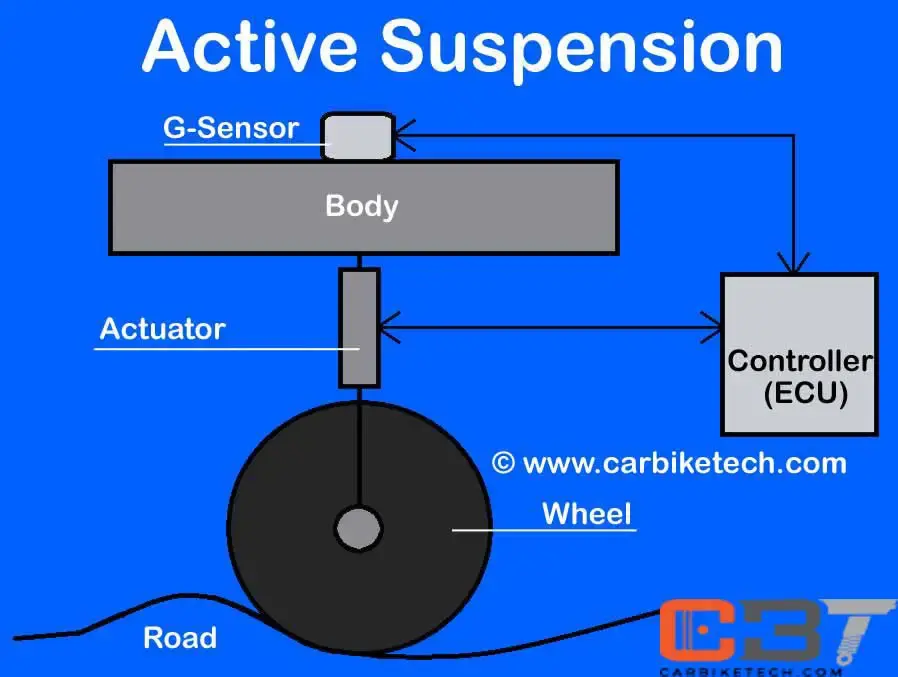
Active suspension systems use sensors, actuators, and a controller to continuously adjust suspension forces in response to road conditions and driving dynamics. Unlike conventional passive suspensions that rely on fixed springs and dampers, active systems can add energy to the suspension to control body motion and maintain tire contact. This guide explains how active suspension works, its benefits and drawbacks, common problems, diagnostic steps, and repair or replacement considerations to help you make an informed decision.
How Active Suspension Works
Active suspension systems consist of three core components: sensors (accelerometers, ride height sensors), an electronic control unit (ECU), and actuators (hydraulic or electromagnetic). The control loop works as follows: sensors detect body roll, pitch, and wheel movement; the ECU processes this data and sends commands to actuators; actuators apply forces to the suspension to counteract unwanted motion. For example, when cornering, the system stiffens the outside dampers and softens the inside ones to reduce body roll.
It's important to distinguish between active and adaptive suspension. Adaptive suspension (also called semi-active) only adjusts damping rates electronically, using a valve to change oil flow. Active suspension uses powered actuators that can push and pull, offering more capability. Active systems are more complex and expensive.
Types of Active Suspension Systems
Several types of active suspension systems exist, each with unique technology and repair implications.
Hydraulic Active Roll Control
Systems like BMW Active Roll Stabilization use hydraulic actuators on the anti-roll bars to counteract body roll. These systems can fail due to pump or actuator leaks.
Electromagnetic
Systems like Bose use linear electromagnetic motors in place of struts. While offering exceptional control, they are rare and costly.
Magnetorheological
MagneRide is the most common active system. It uses dampers filled with magnetorheological fluid containing iron particles. When an electromagnetic coil applies a magnetic field, the fluid's viscosity changes almost instantly, altering damping characteristics. This allows for rapid, precise control.
BMW Adaptive M Suspension
This is an electronically controlled damper system that adjusts damping based on driving mode and conditions. It uses solenoids to vary oil flow, providing comfort or sport settings.
Other Systems
Other systems include Mercedes Active Body Control (ABC), which uses hydraulic rams to control body movement, and Audi adaptive air suspension, which uses air springs with adjustable damping. These are complex and expensive to repair.
Benefits and Drawbacks: Is Active Suspension Worth It?
Active suspension offers significant benefits: enhanced ride comfort by reducing road imperfections, improved handling and stability by minimizing body roll and pitch, increased safety through better tire contact, and adaptability to driving conditions. For performance driving, active systems can keep tires planted for better cornering and braking.
However, drawbacks include high initial cost, increased complexity leading to potential reliability issues, expensive repairs, and the need for specialized diagnostic equipment. Compared to adaptive suspension, active systems are more capable but also more prone to failure. For average drivers, especially in urban commuting, the benefits may be marginal compared to a well-tuned passive or adaptive setup.
Common Problems and Symptoms of Failing Active Suspension Components
Symptoms of failing active suspension include: warning lights on the dashboard (e.g., 'Suspension Fault'), uneven ride height, excessive body roll or pitch, knocking noises from the suspension, and a noticeably harsh or bouncy ride.
Common failure points include sensors (dirty or faulty), actuators (leaks or electrical failures), control module issues, and wiring problems. Manufacturer-specific examples: MagneRide dampers can leak fluid, BMW Active Roll Stabilization pumps may fail, and Mercedes ABC systems often have hydraulic leaks.
Addressing issues early is crucial to prevent damage to other components like tires and struts. Ignoring warning lights can lead to cascading failures and higher repair costs.
Diagnosing Active Suspension Issues: A Step-by-Step Approach
Step 1: Check for diagnostic trouble codes (DTCs) using an OBD-II scanner, focusing on suspension-related codes. Many active systems have dedicated modules that store fault codes.
Step 2: Visually inspect components for leaks, damage, or loose connections, especially around dampers and sensors. Look for fluid residue, cracked bushings, or corroded connectors.
Step 3: Perform a basic functional test: cycle the suspension through its modes (if available) and observe changes in ride height or damping. If no change occurs, the actuator or control module may be faulty.
Step 4: Use specialized diagnostic tools (e.g., manufacturer-specific software) to test actuator response and sensor readings. This can pinpoint whether a sensor is sending incorrect data or an actuator is not responding.
Step 5: Consult technical service bulletins (TSBs) for known issues with specific models. TSBs often provide repair procedures and updated parts.
Repair or Replace? Cost Considerations and Aftermarket Options
When active suspension components fail, you face a decision: repair with OEM parts, replace with aftermarket, or convert to conventional suspension. Costs vary widely.
Typical costs: sensors $100-$300, actuators $500-$1500 each, control modules $500-$2000, and full system replacement $2000-$5000+. Labor adds significantly, as active suspension repairs require specialized knowledge.
OEM parts are guaranteed to fit and perform, but are expensive. Aftermarket parts can be significantly cheaper, but quality varies. Some aftermarket options offer comparable performance at lower cost, but research is essential.
For older vehicles, converting to conventional suspension may be cost-effective. This involves replacing active struts with standard ones and bypassing the control system. However, it may affect ride quality and handling.
Warranty considerations: aftermarket parts may void manufacturer warranties, but they are viable for out-of-warranty vehicles. Always check warranty terms before purchasing.
Maintenance Tips to Extend the Life of Active Suspension
Regular inspections are key: check for leaks, worn bushings, and sensor cleanliness during routine maintenance. Look for fluid around dampers and actuators, and clean sensors to prevent false readings.
Keep tires properly inflated and rotated to reduce stress on the suspension. Overloading the vehicle can strain the system, so avoid exceeding load limits.
Follow manufacturer-recommended service intervals for fluid changes (if applicable) and software updates. Some systems require periodic calibration.
Address warning lights immediately to prevent cascading failures. Ignoring a minor issue can lead to costly damage.
Frequently Asked Questions About Active Suspension
What is the difference between active and adaptive suspension?
Active uses powered actuators to add energy; adaptive only adjusts damping electronically.
Can I drive with a bad active suspension?
It's possible but not recommended; safety and handling may be compromised. The system may default to a safe mode, but performance is reduced.
Is active suspension reliable?
Reliability varies by manufacturer and system. Some, like MagneRide, are generally reliable, while others have known issues.
How long does active suspension last?
Typically 50,000-100,000 miles, but components can fail earlier due to road conditions or manufacturing defects.